Myristyl Myristate
What myristyl myristate does as a waxy emollient in creams and balms, what comedogenic charts get wrong, and who might skip it.
No specific flag recordedIn 10 products we cover
We may earn a commission when you buy through links on this page. It never changes what we recommend.
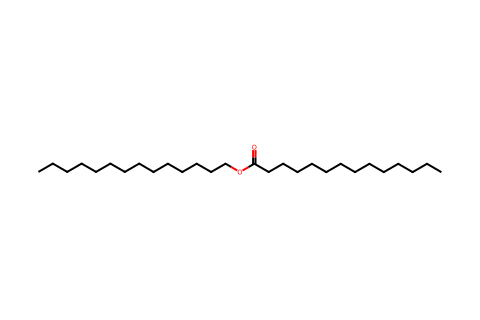
Quick facts
- INCI name
- Myristyl Myristate
- Origin
- Plant-derived or Synthetic
- Chemical class
- Fatty acid ester (wax ester)
- What it does in a formula
- skin conditioning, emollient
- Why it is in the formula
- Adds a soft, cushioned feel and body to creams, lotions and balms.
- Regulatory notes
- The Cosmetic Ingredient Review panel concluded alkyl esters, including myristyl myristate, are safe in the present practices of use and concentration when formulated to be non-irritating.
What is Myristyl Myristate?
Myristyl myristate is a wax-like ester made by joining myristic acid, a fatty acid, with myristyl alcohol, a fatty alcohol. The Cosmetic Ingredient Review panel groups it with other alkyl esters, which it describes as reaction products of fatty acids and alcohols.
The starting materials can come from plant oils such as coconut or palm kernel, or be made synthetically. The label doesn’t say which. You’ll find it in creams, body lotions, hand creams, balms and some makeup, often in the middle of the ingredient list. It’s a cousin of isopropyl myristate, which is thinner and more oil-like.
What does Myristyl Myristate do?
- Softens and smooths skin. As an emollient, it fills in the rough spots between skin flakes so skin feels smoother.
- Adds body. As a waxy ester, it helps give creams and balms a richer, more cushioned feel.
It’s a texture ingredient. Its job is the moisturized feel, not a treatment.
Who is Myristyl Myristate for?
It suits dry and normal skin well, especially in body lotions and hand creams. The safety panel concluded alkyl esters are safe as used when formulated to be non-irritating, and an 8% formula caused no irritation or sensitization in human testing.
You may see it flagged as pore-clogging. That reputation comes from rabbit-ear tests, which the safety review also describes, and those tests don’t reliably predict breakouts in people. If your skin is prone to clogged pores, watch how it responds to the whole product rather than ruling out one ingredient from a chart.
What to pair Myristyl Myristate with, and what to avoid
There’s nothing to pair. It works with the other oils, butters and emulsifiers in the formula. For very dry skin, it often shows up alongside humectants like glycerin, and the dry-skin body lotion guide explains how those work together.
Quick picks with Myristyl Myristate
Best fragrance-free pick
No scent or sensitivity flags recorded in our glossary
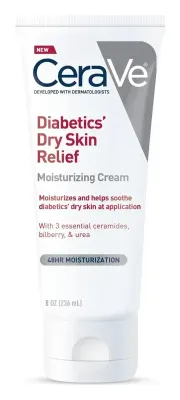
CeraVe Diabetics Dry Skin Relief Moisturizing Cream
Urea, ceramides, bilberry extract · dry skin · no scent flags recorded
Best for sensitive skin
Brand lists it for sensitive skin
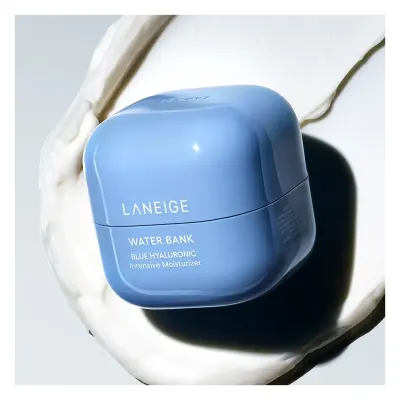
Laneige Water Bank Blue Hyaluronic Intensive Moisturizer
Blue Hyaluronic Acid, squalane, ceramide NP, niacinamide · dry, sensitive skin · scent ingredients flagged
Best for dry skin
Brand lists it for dry skin
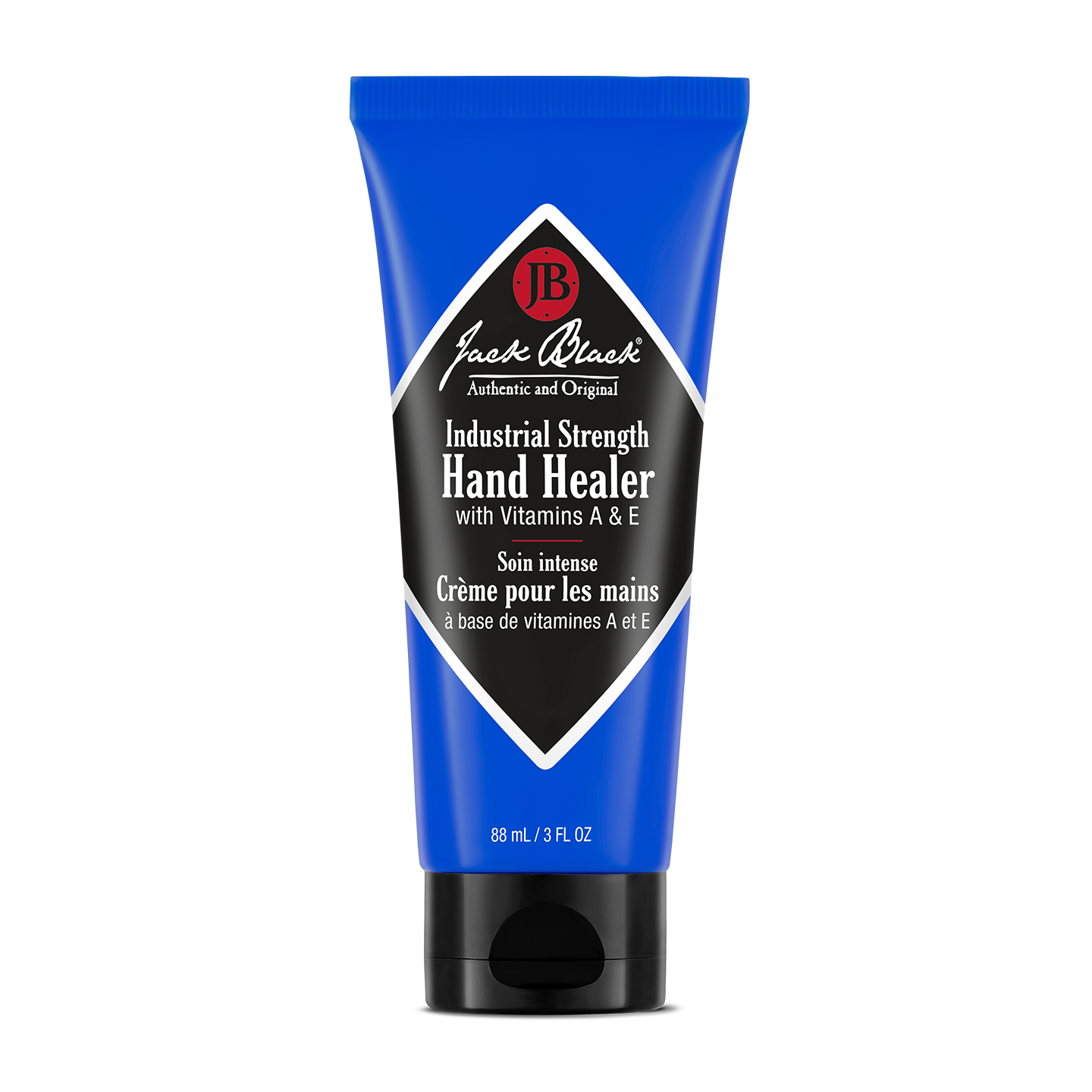
Jack Black Industrial Strength Hand Healer
Hyaluronic acid, vitamins A and E, white tea, macadamia oil, glycerin · dry skin · scent ingredients flagged
All 10 products with Myristyl Myristate
Body Creams, Butters & Body Oils (3)
Shaving Creams, Gels & Oils (2)
Skin Barrier Repair Creams & Recovery Jars (2)
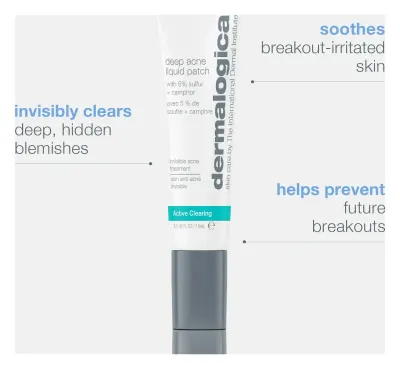
Pimple Patches & Overnight Spot Treatments (1)
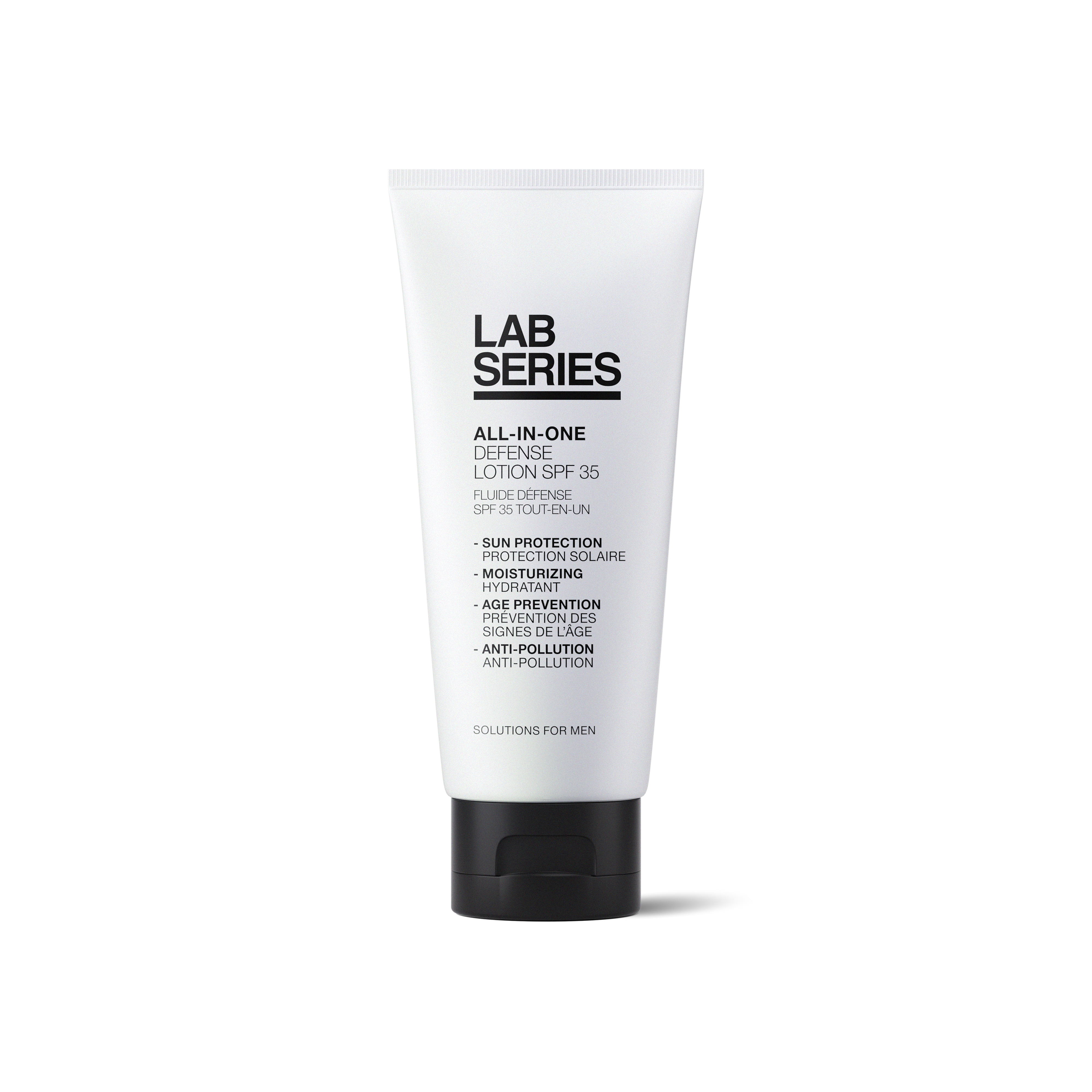
Daily Sunscreens & SPF Moisturizers (1)
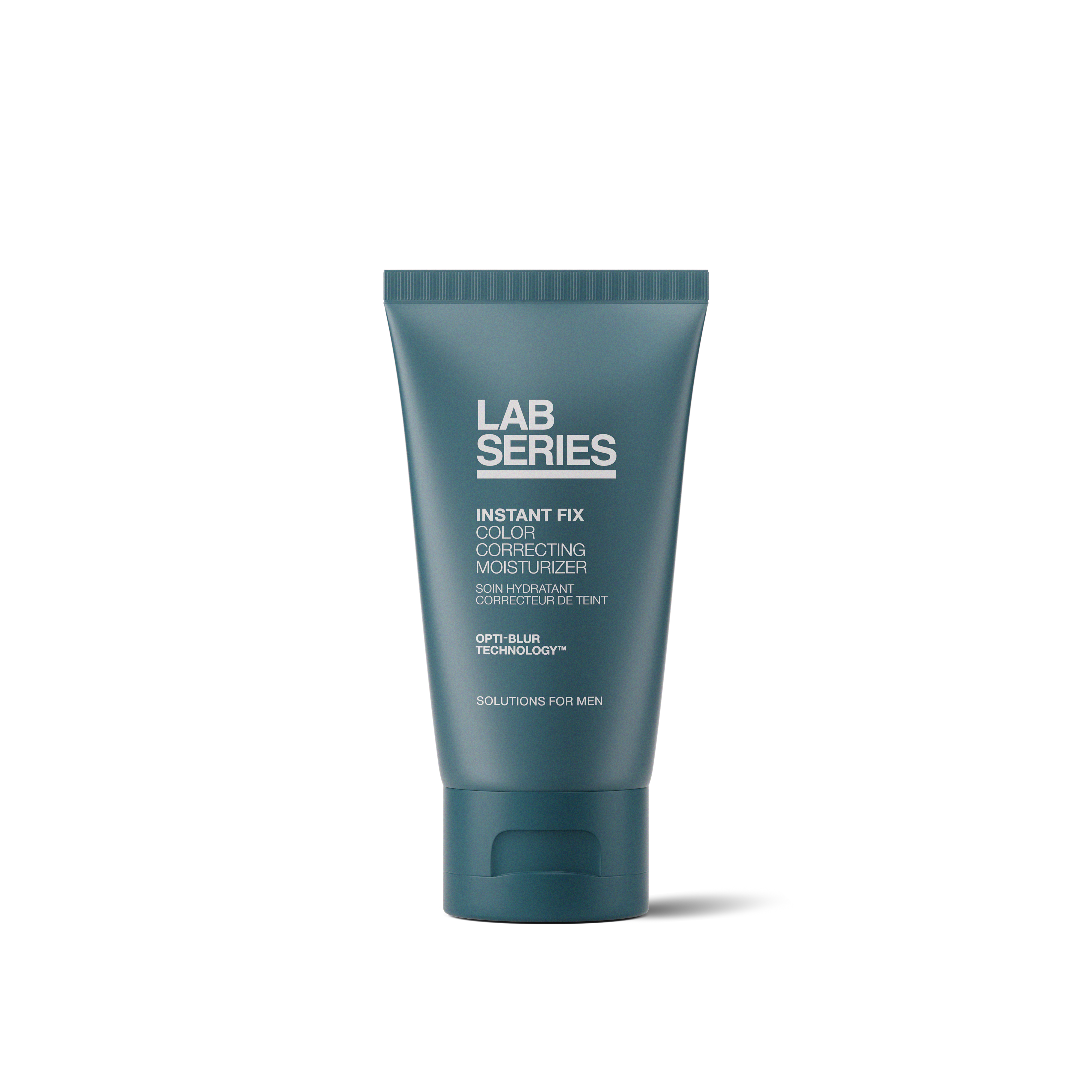
Daily Moisturizers & Water Gel Creams (1)
Common questions
What does myristyl myristate do in skincare?
It's an emollient, a soft waxy ester that smooths skin and gives creams and balms a richer, more cushioned texture. It also helps thicken a formula.
Is myristyl myristate comedogenic?
It often appears on comedogenic charts. Those charts come mostly from old rabbit-ear tests, which don't reliably predict breakouts in people, and we don't use them. If you're prone to clogged pores, judge a product by how your own skin responds, and see our [comedogenic ingredients explainer](/articles/comedogenic-ingredients-and-checkers/).
Is myristyl myristate natural?
It's made by combining myristic acid with myristyl alcohol, both of which can come from plant oils such as coconut or palm kernel oil. The joining step happens in a lab.
Is myristyl myristate safe for skin?
A cosmetic safety panel concluded it is safe as used when products are formulated to be non-irritating. In human testing reviewed by the panel, an 8% formula caused no irritation or sensitization.