PDRN (Salmon DNA)
What PDRN may do in skincare, what limited cosmetic evidence means, who might choose it, and how it fits a routine.
Extremely safeIn 6 products we cover
We may earn a commission when you buy through links on this page. It never changes what we recommend.
What it is
PDRN is short for polydeoxyribonucleotide, a name for chains of DNA fragments. In cosmetic ingredient lists, related material may appear as Sodium DNA. The name is associated with salmon-derived source material in some skincare marketing, but check a product’s sourcing information rather than assuming every formula is identical.
A topical cosmetic containing PDRN is not an injection. Injectable procedures involve a different route of use, and should not be treated as evidence that an over-the-counter serum or cream will produce the same effects. This page is about label-listed cosmetic ingredients only.
What it does
- Appears in skin-conditioning formulas. PDRN-related ingredients are used in cosmetics intended to condition skin. What a finished product does depends on its full formula and use.
- Is being studied, but cosmetic evidence is limited. Interest in PDRN is growing, yet evidence for topical cosmetic benefits is not strong enough to promise dramatic or specific results.
- May be marketed with ambitious language. Claims about injectable use do not establish that a topical product has the same effects. Treat before-and-after promises as marketing, not a guarantee.
Who it suits
You may come across PDRN while looking for a hydrating or skin-conditioning serum, but you do not need it for a complete routine. If you try a product, evaluate it as a cosmetic formula, not as a substitute for a procedure or care from a clinician. Check the whole ingredient list for ingredients you know your skin does not tolerate, and patch-test a new product first. If you have a skin condition or ongoing symptoms, ask a dermatologist rather than relying on an ingredient trend.
What to pair it with, and what not to
Use the product according to its label. A basic moisturizer can follow a water-based serum, and sunscreen remains a useful daytime step. There is no well-established reason to avoid niacinamide or hyaluronic acid solely because a formula contains PDRN. Add one new product at a time so you can tell what agrees with your routine. Do not treat topical PDRN as interchangeable with injectable treatments, or trust medical or guaranteed-results claims. Use sunscreen as directed.
Skin Realist check: A new acronym is not a new obligation. You can let the evidence catch up before deciding whether your routine needs another bottle.
Quick picks with PDRN
Scent-free, no patch-test flags on the label
COSRX 5 PDRN Hyaluronic Acid Vital Hydrating Hydrogel Mask
PDRN · scent-free label
AmazonFeatured in our guides
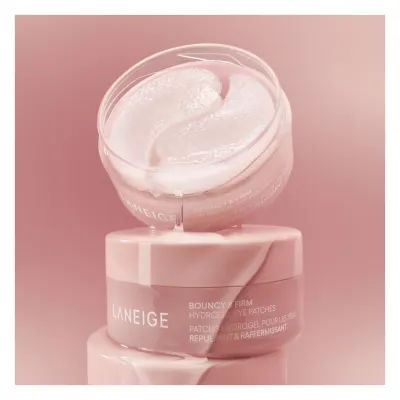
Laneige Bouncy & Firm Hydrogel Eye Patches
Niacinamide, caffeine, soluble collagen, and sodium hyaluronate · scented
Amazon

All 6 products with PDRN
Eye Creams & Under-Eye Patches (2)

Sheet, Hydrogel & Clay Masks (1)
Premium Overnight Recovery Packs & Sleeping Facials (1)

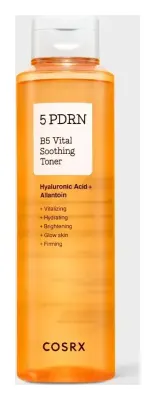
Hydrating Toners, Essence Waters & Face Mists (1)
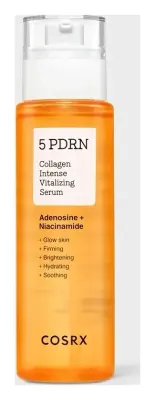
Hydrating Serums, Essences & Ampoules (1)
Common questions
What is PDRN in skincare?
PDRN stands for polydeoxyribonucleotide, a material made of DNA fragments. In skincare it is used as a cosmetic ingredient, often under names such as Sodium DNA. It is not the same as an injectable PDRN procedure.
Does topical PDRN work?
Evidence for benefits from PDRN in topical cosmetics is limited, and results from injectable procedures cannot be assumed to apply to a cream or serum. A product's overall formula matters, and strong claims deserve skepticism.
Is PDRN the same as salmon DNA injections?
No. A topical cosmetic containing a PDRN-related ingredient is not an injectable treatment. They differ in how they are used, and evidence for one should not promise results from the other.
Can you use PDRN with retinol?
There is no well-established ingredient clash between topical PDRN and retinol. Introduce one product at a time and follow its label directions. Ask a dermatologist about persistent irritation or skin concerns.