Phenylpropanol
What phenylpropanol does in cosmetic preservation, why water-based products need protection, and how it differs from fragrance.
Extremely safeIn 8 products we cover
We may earn a commission when you buy through links on this page. It never changes what we recommend.
Quick facts
- INCI name
- Phenylpropanol
- CAS number
- 93-54-9
- Origin
- Synthetic
- Chemical class
- Aromatic alcohol
- What it does in a formula
- preservative, solvent, fragrance
- Why it is in the formula
- Usually included as a preservative-supporting ingredient in water-based products.
What it is
Despite soundalike phrasing that often leads to confusion with phenoxyethanol, phenylpropanol is an aromatic alcohol that can serve as a preservative booster, solvent, or fragrance material. Its multifunctional characteristics allow formulators to tailor its application across different products. A standard ingredient declaration lists its presence, but does not identify its exact technical role.
Water-based products need an effective preservation system because water can support the growth of microorganisms. Packaging and handling matter too, but they are not the whole solution. Phenylpropanol may be one component of a broader system intended to keep a formula in good condition during normal use.
What it does
- Supports preservation. It can help a water-containing cosmetic remain properly preserved.
- May act as a solvent. Depending on the formula, it can help dissolve or carry other ingredients.
- Can contribute scent. It may have a fragrance role in some products, though that is not necessarily its main use.
Who it suits
Most shoppers will see phenylpropanol as a helper in a larger formula rather than a featured active. If you have a known sensitivity to it, or have noticed a reaction to products that list it, consider checking the whole ingredient list and speaking with a dermatologist. A single label name cannot confirm the cause of a reaction.
Preservatives are a normal part of product design, especially for water-based products. A label that says preservative-free does not automatically mean a product is better or more suitable for you. Follow the packaging instructions, keep the product closed, and avoid using it if it changes noticeably.
What to pair it with, and what not to
Phenylpropanol does not need a skincare active alongside it. It may be used in formulas with other preservatives, including phenoxyethanol or parabens, as part of product protection. Choose based on the complete formula and any known sensitivities.
Skin Realist check: Preservation is part of the product's job description, not a glamorous bonus. A stable formula is allowed to be quietly competent.
Quick picks with Phenylpropanol
Scent-free, no patch-test flags on the label
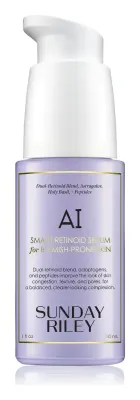
Sunday Riley A.I. Smart Retinoid Serum
Hydroxypinacolone Retinoate · scent-free label
AmazonBrand lists it for sensitive skin
Elemis ULTRA SMART Pro-Collagen Aqua Infusion Mask
ULTRA SMART Aqua Shuttle Technology, sodium hyaluronate, Padina pavonica, collagen amino acids · combination, dry, normal, oily, sensitive skin · scented
AmazonBrand lists it for dry skin
Elemis ULTRA SMART Pro-Collagen Day Cream
ULTRA SMART Aqua Shuttle Technology, ULTRA SMART Line Fighting Complex, ULTRA SMART Resilience Complex · combination, dry, normal skin · scented
Amazon


All 8 products with Phenylpropanol
Daily Moisturizers & Water Gel Creams (2)
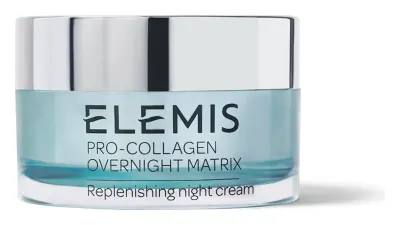
Anti-Aging & Retinoid Serums (1)
Cream & Gel Treatment Masks (1)
Hydrating Toners, Essence Waters & Face Mists (1)
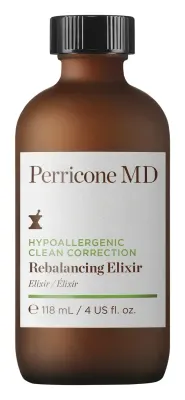
Daily Sunscreens & SPF Moisturizers (1)
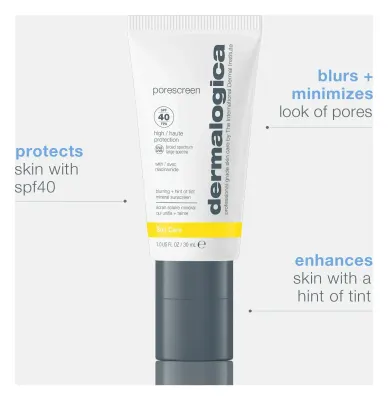
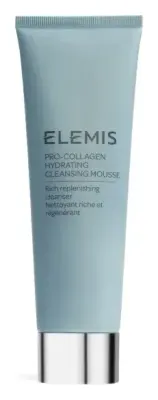
Gel, Foam & Cream Facial Cleansers (1)
Hydrating Serums, Essences & Ampoules (1)

Common questions
What is phenylpropanol in skincare?
Phenylpropanol is an aromatic alcohol used in some cosmetics as a preservative-supporting ingredient. Depending on the material and formula, it may also contribute solvent or fragrance functions.
Why do water-based products need preservatives?
Water-containing products can support microbial growth if they are not properly preserved. A preservation system helps maintain product quality during normal storage and use.
Is phenylpropanol the same as phenoxyethanol?
No. They are separate ingredients with different chemical structures, though both may be used in cosmetic preservation. A formula can also use other ingredients to support preservation.
Who should check phenylpropanol on a label?
People with a known sensitivity or a history of reacting to a product containing it may want to check labels carefully. The ingredient name alone cannot identify what caused a reaction in a multi-ingredient formula.