Polygonatum Odoratum Rhizome Extract
What Polygonatum odoratum rhizome extract is, why it appears in skincare, and how limited cosmetic evidence should shape expectations.
Extremely safeIn 14 products we cover
We may earn a commission when you buy through links on this page. It never changes what we recommend.
Quick facts
- INCI name
- Polygonatum Odoratum Rhizome Extract
- Origin
- Plant-derived
- Chemical class
- Botanical rhizome extract
- What it does in a formula
- skin conditioning
- Why it is in the formula
- Polygonatum odoratum rhizome extract adds a botanical skin-conditioning ingredient to the formula.
What it is
Derived from the underground rhizomes of angular Solomon’s seal (Polygonatum odoratum), this botanical extract specifically utilizes subterranean stem tissue rather than leaves or flowers. It delivers a natural mixture of plant constituents, including botanical polysaccharides. While laboratory literature explores Polygonatum chemistry, raw plant research does not equate to clinical proof in a finished cosmetic product.
In cosmetics, the ingredient is best understood as a botanical skin-conditioning addition. It may help give a formula a plant-focused story, but there is limited evidence that an ordinary topical product with Polygonatum odoratum produces a specific visible change. The label does not indicate its concentration, extraction solvent, or exact composition. That makes it especially important not to translate traditional use or laboratory findings into promises about a cosmetic.
What it does
- Adds a plant extract. Rhizome extracts contribute a complex blend of plant-derived compounds to a formula.
- Conditions the skin. This broad cosmetic function describes a supporting role, not a guaranteed result.
- Contributes to the formula’s identity. A botanical can be included alongside the actual humectants, emollients, and preservatives that shape the product.
Who it suits
This ingredient is not associated with a specific skin type based on strong topical evidence. If a product containing it suits your preferences, consider it one part of the whole formula rather than a stand-alone treatment. People with known plant allergies may want to check the source and discuss an unfamiliar extract with a clinician, especially if they have reacted to related botanicals before.
The available research on Polygonatum odoratum often concerns extracted compounds, traditional use, or lab-based activity. That is useful background but does not show that a particular cream will reduce wrinkles, redness, or any medical condition. Keep claims in proportion to the evidence. If you have a persistent skin concern, ask a dermatologist rather than relying on an ingredient with limited cosmetic research.
What to pair it with, and what not to
There is no special ingredient that must be paired with Polygonatum odoratum extract. Let the rest of the formula provide its texture and hydration. Avoid treating a botanical extract as a replacement for sunscreen, a moisturizer, or a dermatologist’s advice.
Skin Realist check: A long botanical name can be intriguing. It does not have to become a promise about your face.
Quick picks with Polygonatum Odoratum Rhizome Extract
Featured in our guides
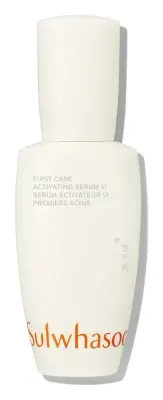
Sulwhasoo First Care Activating Serum VI
scented
Amazon
All 14 products with Polygonatum Odoratum Rhizome Extract
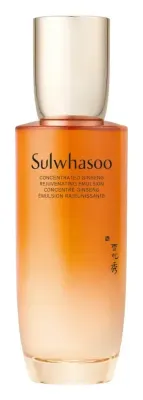
Daily Moisturizers & Water Gel Creams (4)



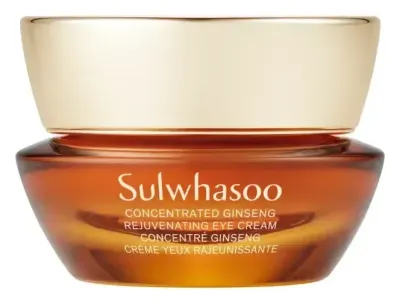
Eye Creams & Under-Eye Patches (2)

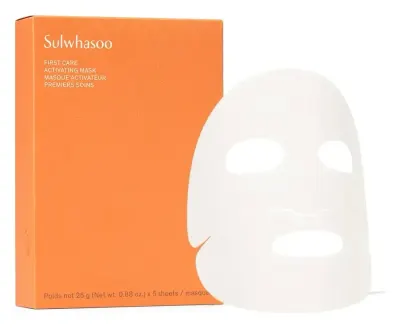
Sheet, Hydrogel & Clay Masks (2)

Hydrating Toners, Essence Waters & Face Mists (2)
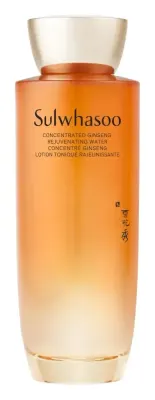

Hydrating Serums, Essences & Ampoules (1)
Anti-Aging & Retinoid Serums (1)

Gel, Foam & Cream Facial Cleansers (1)

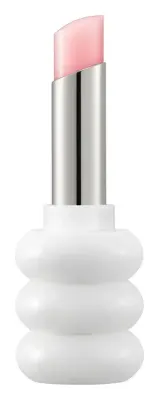
Intensive Lip Recovery Masks & Tinted Balms (1)
Common questions
What is Polygonatum odoratum rhizome extract?
It is an extract from the underground rhizome of Polygonatum odoratum, a plant also known as angular Solomon's seal. The extract contains a mixture of plant compounds rather than a single active molecule.
What does Polygonatum odoratum do in skincare?
It is used as a botanical skin-conditioning ingredient. Research on the plant's polysaccharides and traditional uses does not establish a specific visible benefit from every cosmetic formula containing the extract.
Is Polygonatum odoratum a proven anti-aging ingredient?
There is not enough topical cosmetic evidence to make that claim. Much of the research concerns plant constituents or broader biological activity, not controlled tests of ordinary skincare products.
Is Polygonatum odoratum natural?
It is a plant-derived ingredient taken from the rhizome. How the extract is made and what it contains depend on the manufacturer and process.