Snail Mucin
What snail mucin does in skincare, who it suits, how to pair it, and what its animal-derived name means.
Extremely safeIn 7 products we cover
We may earn a commission when you buy through links on this page. It never changes what we recommend.

What it is
Snail mucin is the skincare shorthand for snail secretion filtrate, a cosmetic ingredient derived from secretions produced by snails. The material is collected and processed for use in formulas. You may find it in an essence, serum, moisturizer or mask, sometimes listed under its INCI name, Snail Secretion Filtrate.
The ingredient is a mixture rather than a single purified molecule, and its composition can depend on how it is sourced and processed. Products can also use different amounts and combine the filtrate with other hydrators or skin-conditioning ingredients. For that reason, the name alone does not predict how a particular product will feel or perform. It is not vegan because it comes from an animal source.
What it does
- Conditions skin. Snail secretion filtrate is used to leave skin feeling softer and more comfortable.
- Contributes to hydration. It may be included in watery essences and gels that give skin a hydrated feel. Other humectants and emollients in the formula can shape that result.
- Adds a distinctive formula ingredient. The name gets attention, but the texture, supporting ingredients and your preference matter more than the novelty.
Who it suits
It may interest you if you like lightweight hydrating layers and do not avoid animal-derived ingredients. If vegan cosmetics are important to you, skip snail mucin and check labels carefully, since product descriptions may use either the common name or Snail Secretion Filtrate. You can get hydration from many other types of ingredients, so this is not a required step.
Any ingredient can bother some people, even one used for conditioning. Patch-test a new product and stop using it if you notice persistent irritation. If you have a skin concern that does not settle, ask a dermatologist rather than expecting a cosmetic essence to address it.
What to pair it with, and what not to
Snail mucin can be layered with simple moisturizers and ingredients such as hyaluronic acid, ceramides or niacinamide. Use a moisturizer afterward if the essence or serum does not provide enough comfort on its own. There is no special active combination required, and a longer routine is not automatically a better one.
Skin Realist check: Skincare can ask you to accept many textures, but you are allowed to draw the line wherever you like. A routine should feel like yours, not a dare.
Quick picks with Snail Mucin
Scent-free, no patch-test flags on the label
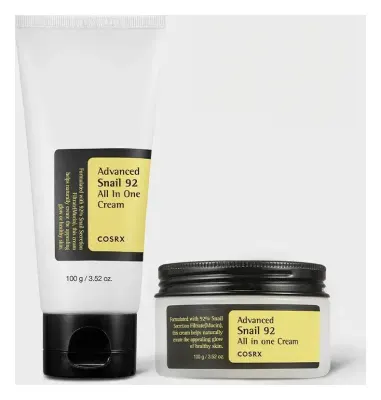
COSRX Advanced Snail 92 All in One Cream
Snail Secretion Filtrate · scent-free label
AmazonFeatured in our guides
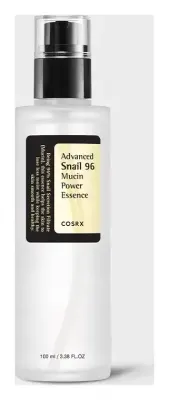
COSRX Advanced Snail 96 Mucin Power Essence
Snail Secretion Filtrate · scent-free label
Amazon
All 7 products with Snail Mucin
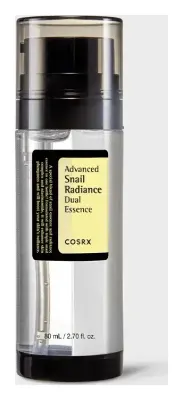
Hydrating Serums, Essences & Ampoules (2)
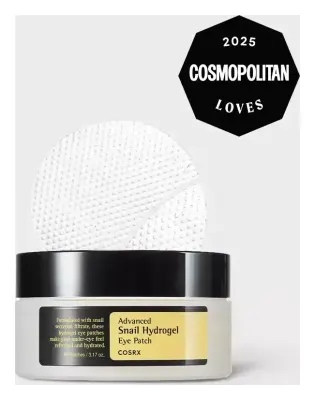
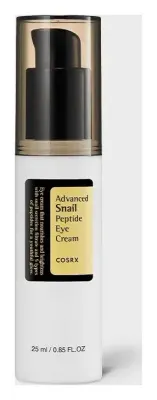
Eye Creams & Under-Eye Patches (2)
Daily Moisturizers & Water Gel Creams (1)
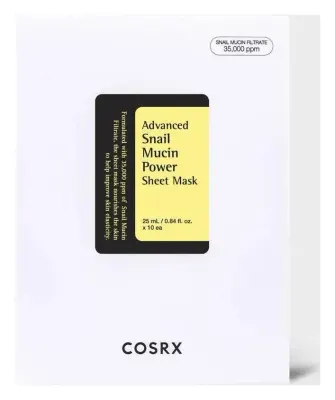
Sheet, Hydrogel & Clay Masks (1)
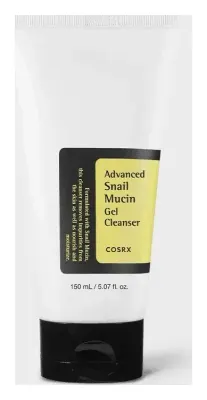
Premium Double-Cleansing Balms & Melting Gels (1)
Common questions
What is snail mucin in skincare?
Snail mucin is a common name for snail secretion filtrate, an ingredient collected from snail secretions and used in cosmetics. It is processed before use in skincare, and the exact composition depends on the material and formula. The word mucin is used as a familiar shorthand on product pages.
What does snail mucin do for skin?
Snail secretion filtrate is mainly used as a skin-conditioning and moisturizing ingredient. Products containing it may leave skin feeling hydrated or smooth, though the result depends on the full formula. It is not a treatment for a skin condition.
Is snail mucin vegan?
No. Snail secretion filtrate is animal-derived, so products containing it are not vegan. If you avoid animal-derived cosmetics, choose a product without snail ingredients and check the full label.
Can you use snail mucin with retinol?
Snail mucin can be used in a routine that includes retinol, as the ingredients do not have a known direct conflict. A moisturizing product may help your routine feel less drying, but it cannot guarantee that retinol will not irritate your skin. Add products gradually and use sunscreen as directed during the day.