Sodium Acrylate/Sodium Acryloyldimethyl Taurate Copolymer
What this synthetic polymer does in skincare formulas, including thickening gels and keeping their texture smooth and stable.
Extremely safeIn 6 products we cover
We may earn a commission when you buy through links on this page. It never changes what we recommend.
Quick facts
- INCI name
- Sodium Acrylate/Sodium Acryloyldimethyl Taurate Copolymer
- Origin
- Synthetic
- Chemical class
- Acrylate copolymer thickener
- What it does in a formula
- viscosity controlling, stabilizing, absorbent
- Why it is in the formula
- Thickens water-based formulas and helps stabilize a smooth gel or lotion texture.
What it is
Built from linked synthetic building blocks, sodium acrylate/sodium acryloyldimethyl taurate copolymer is a cosmetic thickener and emulsion stabilizer. This long INCI name describes a functional polymer that gives body and cohesive spread to creams and gels, rather than a plant-derived extract or a targeted skin active.
It is commonly used in water-based gels, lotions, and serums. It can give them enough body to spread evenly and help keep a formula from separating. The exact feel depends on the polymer grade and other ingredients in the blend. The name cannot tell you whether a product will feel tacky, cushiony, or light.
What it does
- Thickens a formula. It can turn a thin liquid into a gel or lotion that is easier to control.
- Helps stabilize the blend. The polymer can help preserve the product’s intended consistency.
- Affects application. It may make a serum spread smoothly or help suspend other ingredients.
- Works as a helper. Its job is mainly structure and texture, not a direct change to a skin concern.
Who it suits
This ingredient is usually not a reason to choose a product for one skin type. The full formula and your preferred finish matter more. A gel containing this polymer may feel light, while a cream with oils and waxes may feel rich despite listing the same thickener. If the product pills under makeup, use a smaller amount or let each layer dry before adding the next.
It is a synthetic polymer, and concerns about microplastics sometimes come up with this category. Polymer is a broad term; environmental relevance depends on whether the material is a solid particle, its size, whether it dissolves, and how it is released. Do not assume all polymers are equivalent. Patch-test if you are sensitive and stop using a product that causes persistent irritation.
What to pair it with, and what not to
There is no required skincare partner for this thickener. It is built into the product alongside water, humectants, and other stabilizers. If you want more hydration, layer a moisturizer after the serum rather than adding another thickener.
Skin Realist check: A product that stays where you put it is a small courtesy from its formula team.
Quick picks with Sodium Acrylate/Sodium Acryloyldimethyl Taurate Copolymer
Scent-free, no patch-test flags on the label
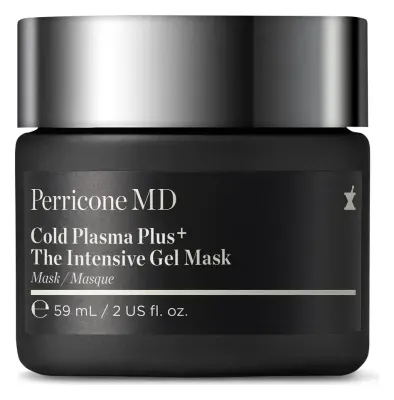
Perricone MD Cold Plasma Plus+ The Intensive Gel Mask
Peptides, phospholipids, sodium hyaluronate, vitamin C ester and Hippophae seed oil · scent-free label
AmazonBrand lists it for sensitive skin
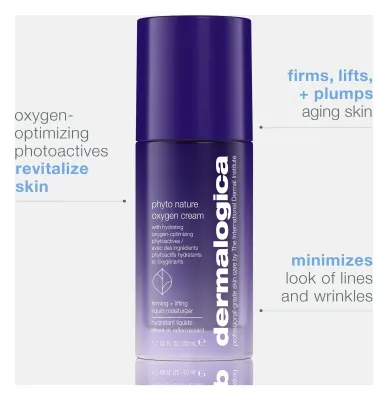
Dermalogica phyto nature oxygen cream
Ligustrum lucidum seed extract, glycogen, and nasturtium flower · oily, dry, combination, sensitive, normal skin · scented
AmazonFeatured in our guides
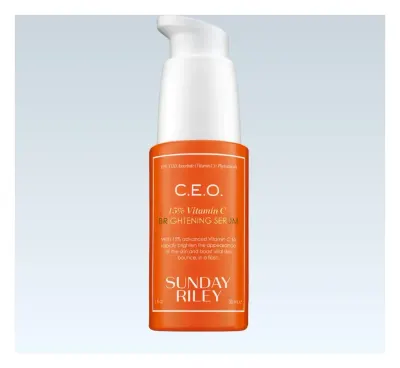
Sunday Riley C.E.O. 15% Vitamin C Brightening Serum
Vitamin C (THD Ascorbate) 15% · scented
Amazon
All 6 products with Sodium Acrylate/Sodium Acryloyldimethyl Taurate Copolymer
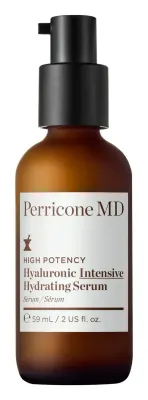
Hydrating Serums, Essences & Ampoules (2)
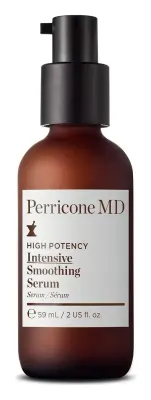
Targeted Vitamin C & Brightening Correctors (1)
Daily Moisturizers & Water Gel Creams (1)
Cream & Gel Treatment Masks (1)
Anti-Aging & Retinoid Serums (1)

Common questions
What does sodium acrylate/sodium acryloyldimethyl taurate copolymer do?
It is a synthetic polymer used to thicken and stabilize cosmetics. It can give a water-based formula a gel-like or creamy consistency.
Is this copolymer an active ingredient?
No. It is primarily a texture and stability helper, not a skin treatment. It is a supporting ingredient, not the reason to buy a product.
Is this ingredient a microplastic?
It is a synthetic polymer, but that alone does not determine whether it meets a microplastic definition. Definitions consider properties such as particle form, size, and solubility.
Can this thickener cause pilling?
It can contribute to how a gel layers, but pilling depends on the complete formula, amount used, and products underneath. Try using less or letting each layer dry.