Sodium Metaphosphate
What sodium metaphosphate does in skincare formulas, how it binds trace metals, and why it is a behind-the-scenes stabilizer.
Extremely safeIn 23 products we cover
We may earn a commission when you buy through links on this page. It never changes what we recommend.
Quick facts
- INCI name
- Sodium Metaphosphate
- Origin
- Mineral
- Chemical class
- Inorganic phosphate salt
- What it does in a formula
- chelating, buffering
- Why it is in the formula
- Sodium metaphosphate binds trace metal ions that could interfere with a formula's stability.
What it is
Belonging to an inorganic phosphate family, sodium metaphosphate is a chelating salt used in cosmetics and personal-care formulations. Its job is to bind trace metal ions introduced through manufacturing water or minerals, keeping those impurities from triggering chemical breakdown or cloudiness in the product.
This is a chelator, not a peel or a skin-renewal active. Its role is small and technical, and you generally cannot judge a formula’s quality by whether this one ingredient appears on the label. It may also contribute to buffering, which means helping a formula resist changes in acidity. It is a supporting ingredient, not the reason to buy a product.
What it does
- Binds some metal ions. Chelation can keep trace metals from interacting with ingredients such as antioxidants or preservatives.
- Helps maintain stability. Reducing unwanted interactions can help the formula keep its intended appearance and performance.
- Supports formula balance. Phosphate salts can contribute to controlling the chemical environment in a product.
Who it suits
Sodium metaphosphate is not meant to address a skin type or concern directly. It helps the formula work as designed, so its presence does not tell you whether a product will be moisturizing, rich, or suitable for sensitive skin. Those qualities depend on the whole ingredient blend and how you respond to it.
If you are sorting out a reaction, a chelator is only one name among many on the label. Avoid deciding that it is responsible without more evidence. Stop using a product that causes ongoing discomfort, and speak with a dermatologist if you have recurring skin symptoms. There is no need to remove an effective moisturizer from your routine just because it contains a technical formula helper.
What to pair it with, and what not to
Nothing needs to be paired with sodium metaphosphate. It is used inside a product to bind trace metals and support stability, not as a standalone skincare step. Let the full formula do its work.
Skin Realist check: If a formula stays consistent without asking for attention, the tiny maintenance crew has done its job.
Quick picks with Sodium Metaphosphate
Scent-free, no patch-test flags on the label
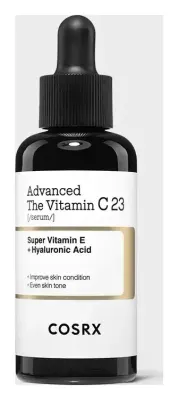
COSRX Advanced The Vitamin C 23 Serum
Ascorbic Acid (Vitamin C) 23% · scent-free label
AmazonBrand lists it for sensitive skin
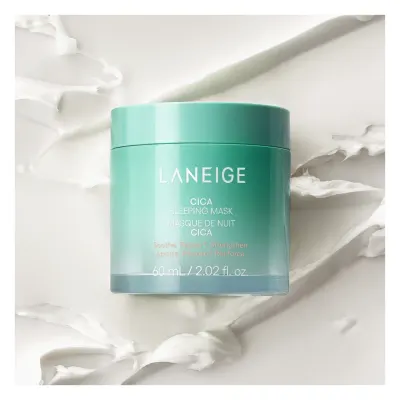
Laneige Cica Sleeping Mask with Centella Asiatica for Moisture Barrier Support
Centella asiatica, madecassoside, panthenol, squalane, niacinamide · normal, dry, combination, sensitive skin · scent-free label
AmazonBrand lists it for oily skin
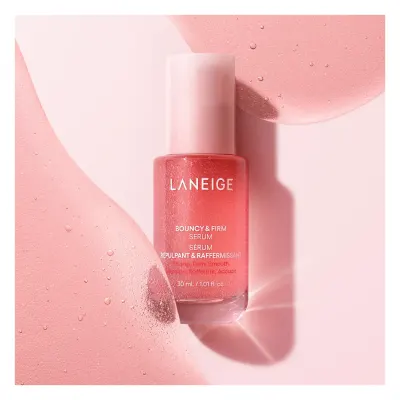
Laneige Bouncy & Firm Serum
Niacinamide, soluble collagen, peptide complex, beta-glucan · normal, dry, combination, oily skin · scented
Amazon
All 23 products with Sodium Metaphosphate
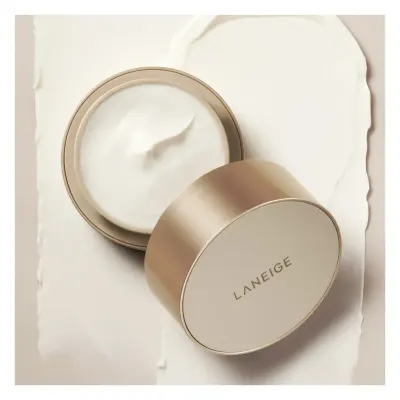
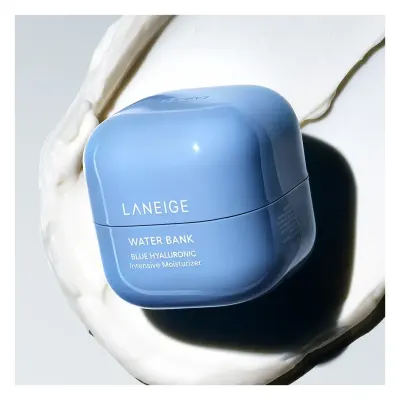
Daily Moisturizers & Water Gel Creams (5)


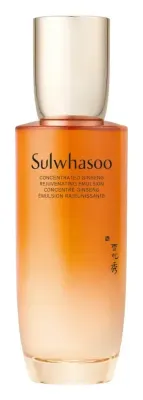

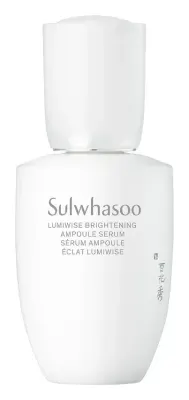
Targeted Vitamin C & Brightening Correctors (3)

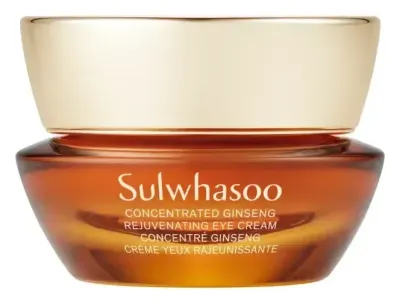
Eye Creams & Under-Eye Patches (3)
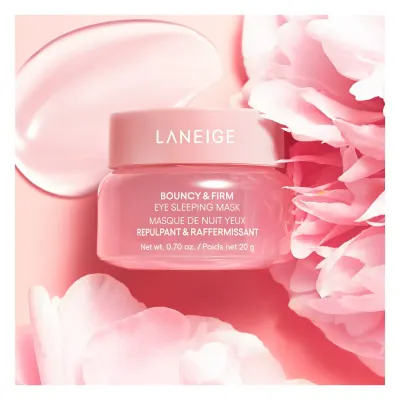

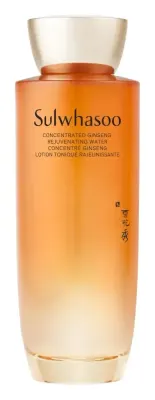
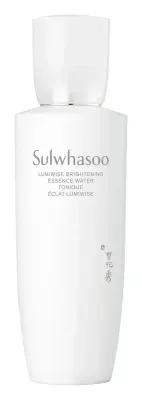
Hydrating Toners, Essence Waters & Face Mists (3)

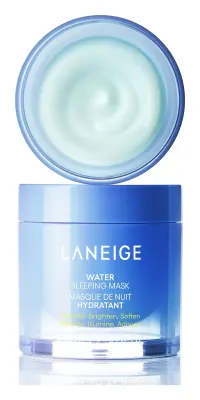
Premium Overnight Recovery Packs & Sleeping Facials (2)
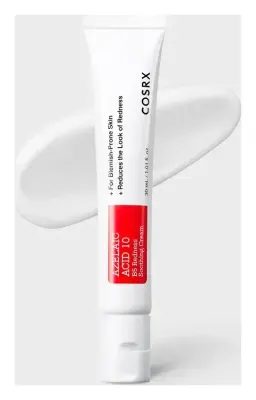
Skin Barrier Repair Creams & Recovery Jars (2)
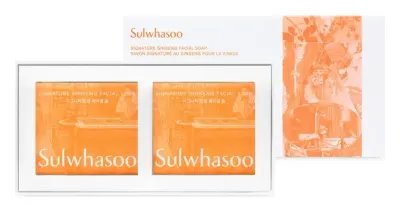
Gel, Foam & Cream Facial Cleansers (2)

Anti-Aging & Retinoid Serums (1)

Hydrating Serums, Essences & Ampoules (1)
Sheet, Hydrogel & Clay Masks (1)

Common questions
What does sodium metaphosphate do in skincare?
It is a chelating and buffering helper. It can bind some metal ions and help a formula remain stable, rather than acting as a direct skin treatment.
Is sodium metaphosphate an exfoliating acid?
No. Despite the word phosphate, it is not used like an exfoliating acid such as glycolic acid. Its role is to help control the formula's chemistry.
Is sodium metaphosphate natural?
It is an inorganic phosphate salt, typically manufactured for use in products. The name does not describe a plant extract or a skin active.
Why is a chelator in moisturizer?
Trace metals in water or raw materials can affect a formula over time. A chelator binds some of those ions and can help limit unwanted interactions.