Sorbitan Oleate
What sorbitan oleate does as a cosmetic emulsifier, how it keeps oil and water blended, and what its name reveals.
Extremely safeIn 12 products we cover
We may earn a commission when you buy through links on this page. It never changes what we recommend.
Quick facts
- INCI name
- Sorbitan Oleate
- Origin
- Plant-derived or Synthetic
- Chemical class
- Nonionic surfactant (sorbitan ester)
- What it does in a formula
- emulsifying, surfactant, skin conditioning
- Why it is in the formula
- Helps combine oil and water and keep a cream or lotion from separating.
What it is
Synthesized from dehydrated sorbitol and oleic acid, sorbitan oleate is an oil-compatible nonionic surfactant and emulsifier. It stabilizes oil-in-water and water-in-oil emulsions, preventing creams and lotions from separating into layers while contributing a soft, emollient finish.
Although it belongs to the surfactant family, sorbitan oleate is not necessarily a cleanser. Surfactants perform different jobs, including emulsifying, wetting, and cleansing. Here, its usual role is to help stabilize an emulsion. The ingredient name does not identify the source of the oleic acid or tell you whether the product is rich, light, or suitable for your preferences.
What it does
- Helps emulsify. It supports blending oil and water into a consistent product.
- Helps prevent separation. The emulsifier works with the rest of the formula to maintain a uniform texture.
- Supports application. A stable emulsion can spread more evenly and feel consistent from one use to the next.
- Acts as a helper. It is not typically the main skincare ingredient or reason to buy a product.
Who it suits
Most shoppers encounter sorbitan oleate in a finished lotion, cream, or makeup product. The product’s overall texture and formula matter more than this emulsifier alone. If a cream feels too heavy or too light, you may prefer a different product even though both use similar emulsifiers.
Sorbitan oleate is not a treatment active. If your skin reacts to a product containing it, other ingredients or the finished formula could also be involved. Stop using a formula that causes persistent irritation and consider asking a dermatologist if reactions keep recurring. There is no need to avoid an emulsifier just because it belongs to the broad surfactant family.
What to pair it with, and what not to
Sorbitan oleate is built into a product and does not need to be layered separately. It may be combined with other emulsifiers, oils, humectants, or thickeners. Choose the finished formula by its texture and use it according to the package directions.
Skin Realist check: The quiet emulsifier is doing the useful work of keeping your lotion from becoming two separate opinions.
Quick picks with Sorbitan Oleate
Scent-free, no patch-test flags on the label
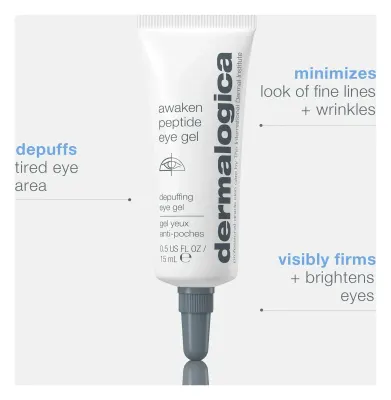
Dermalogica awaken peptide depuffing eye gel
Caffeine, tetrapeptides, rosemary leaf extract, succinic acid blend, Voandzeia subterranea seed extract and lactic acid · oily, dry, combination, sensitive, normal skin · scent-free label
AmazonBrand lists it for sensitive skin
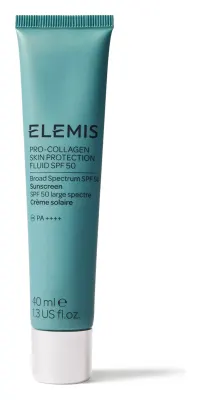
Elemis Pro-Collagen Skin Protection Fluid SPF 50
Padina pavonica, collagen amino acids, leuconostoc/radish root ferment filtrate · combination, dry, normal, oily, sensitive skin · scent-free label
AmazonBrand lists it for oily skin
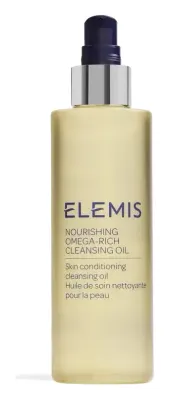
Elemis Nourishing Omega-Rich Cleansing Oil
Sunflower seed oil, castor seed oil, chia seed oil, camellia seed oil, and pomegranate extract · oily, dry, combination, sensitive, normal skin · scented
Amazon
All 12 products with Sorbitan Oleate
Daily Moisturizers & Water Gel Creams (3)



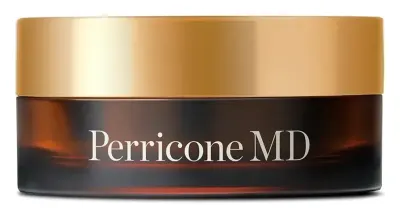
Premium Double-Cleansing Balms & Melting Gels (2)
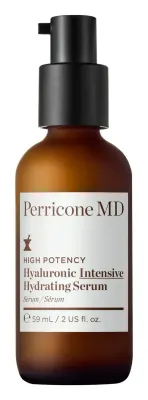
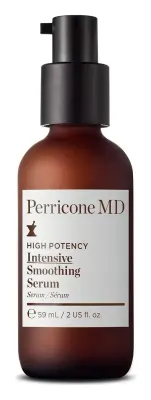
Hydrating Serums, Essences & Ampoules (2)
Eye Creams & Under-Eye Patches (1)
Daily Sunscreens & SPF Moisturizers (1)
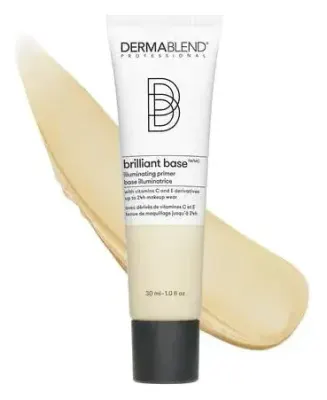
Mineral Pressed Powders & Skin-Nourishing Primers (1)
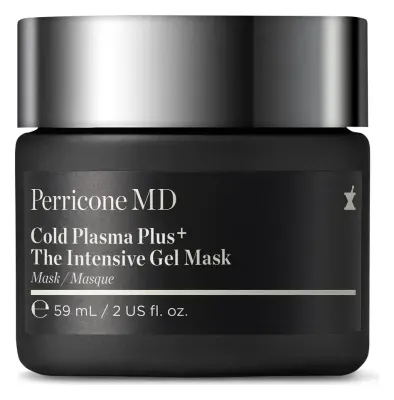
Cream & Gel Treatment Masks (1)
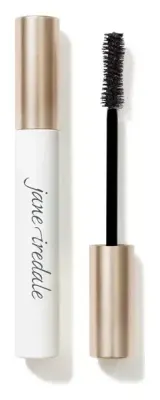
Eye Shadows, Liners, Mascara & Brow Makeup (1)
Common questions
What is sorbitan oleate in skincare?
Sorbitan oleate is a nonionic surfactant used mainly as an emulsifier. It helps oil and water stay mixed in creams, lotions, and other cosmetics.
Is sorbitan oleate a cleanser?
It belongs to the surfactant family, but it is often used as an emulsifier rather than as the main cleansing agent. Its role depends on the product.
Is sorbitan oleate natural?
It is an ester of sorbitan and oleic acid. These components can come from different sources, so the ingredient name alone does not prove a specific plant origin.
Can sorbitan oleate irritate skin?
It is used as a supporting emulsifier, but individual reactions to finished products are possible. If a product causes persistent discomfort, stop using it and review the full formula.