Trisodium Ethylenediamine Disuccinate
What trisodium ethylenediamine disuccinate does as a chelator, how it supports product stability, and why it is a formula helper.
Extremely safeIn 6 products we cover
We may earn a commission when you buy through links on this page. It never changes what we recommend.
Quick facts
- INCI name
- Trisodium Ethylenediamine Disuccinate
- CAS number
- 178949-82-1
- Origin
- Synthetic
- Chemical class
- Aminopolycarboxylate chelator
- What it does in a formula
- chelating, stabilizing
- Why it is in the formula
- It binds trace metal ions in water to help keep a formula stable and support its preservation system.
What it is
Often abbreviated as trisodium EDDS, trisodium ethylenediamine disuccinate is a biodegradable synthetic chelating agent designed to sequester metal ions in water-containing products. It locks up trace transition metals that could otherwise initiate oxidation, degrade active ingredients, or cause rancidity.
This ingredient serves a similar broad purpose to disodium EDTA, though the two have different chemical structures and may behave differently in a particular formula. Formulators choose among chelators based on the product’s pH, ingredients, and stability goals. Its presence alone does not establish a product’s environmental profile or tell you how your skin will respond.
What it does
- Binds metal ions. Chelation helps keep trace minerals from interfering with the formula.
- Supports stability. It can help maintain a product’s intended color, texture, and performance during storage.
- Assists preservation. By controlling metal ions, it may help other parts of a preservation system do their job, but it is not a stand-alone preservative.
Who it suits
Trisodium ethylenediamine disuccinate is a formula helper and is not likely to change how a product feels in a way you can identify. You do not need to look for it to gain a particular skin benefit. Choose moisturizers, cleansers, and makeup based on their overall formula, texture, and purpose.
If you have a specific ingredient allergy or repeated product reactions, check the full label and discuss the issue with a dermatologist. The presence of this chelator is not enough to explain a reaction. Patch-test new leave-on formulas if you are prone to sensitivity, and stop using a product that causes persistent discomfort.
What to pair it with, and what not to
There is nothing to pair with trisodium ethylenediamine disuccinate in your routine. It is included in a formula alongside preservatives and other stabilizers. Use the finished product as directed, and do not treat this ingredient as a substitute for a preservative or an active.
Skin Realist check: A quiet helper ingredient can do its job without becoming your next routine obsession. The bottle is allowed to handle some logistics.
Quick picks with Trisodium Ethylenediamine Disuccinate
Scent-free, no patch-test flags on the label
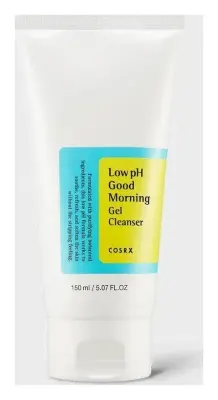
COSRX Low pH Good Morning Gel Cleanser
scent-free label
AmazonBrand lists it for sensitive skin
Dermalogica biolumin-c heat aging protector spf50
Ultra-stable vitamin C complex, ThermaRadiance Complex, Physalis, vitamin E, safflower oleosomes · combination, dry, normal, oily, sensitive skin · scented
Amazon

All 6 products with Trisodium Ethylenediamine Disuccinate
Premium Double-Cleansing Balms & Melting Gels (2)
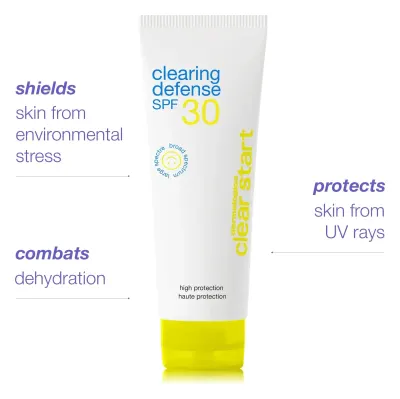
Daily Sunscreens & SPF Moisturizers (2)
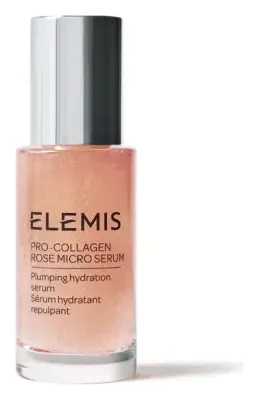
Hydrating Serums, Essences & Ampoules (1)
High-Definition Camouflage Concealers (1)

Common questions
What does trisodium ethylenediamine disuccinate do?
It is a chelator that binds trace metal ions in a formula. This can help limit unwanted effects on stability and support the preservation system.
Is trisodium ethylenediamine disuccinate a preservative?
It is a chelator, not a conventional preservative. It can help a preservation system work more effectively but does not replace ingredients designed to control microbes.
Is it an alternative to disodium EDTA?
It is another chelating ingredient used to bind metal ions, but the ingredients have different structures and formulation properties. Which one a formulator chooses depends on the product.
Does this ingredient have a skin benefit?
Its main role is to support the product inside the bottle, not to act as a visible skin-care active. The full formula determines the product's effect and feel.