Disodium EDTA
What disodium EDTA does to stabilize skincare, why it binds trace metals, and what to know about chelators in a formula.
Extremely safeIn 110 products we cover
We may earn a commission when you buy through links on this page. It never changes what we recommend.
Quick facts
- INCI name
- Disodium EDTA
- CAS number
- 139-33-3
- Origin
- Synthetic
- Chemical class
- Aminopolycarboxylate chelator
- What it does in a formula
- chelating, stabilizing
- Why it is in the formula
- It binds trace metal ions that could affect a formula's stability, color, scent, or preservation.
What it is
On a label, disodium EDTA usually sits near the very end, where this synthetic chelating agent binds trace metal ions like iron or calcium. Tiny amounts of minerals from tap water or raw ingredients can compromise product stability, so a chelator neutralizes them before unwanted chemical reactions occur. Its quiet background job protects the formula rather than acting as a direct skincare active.
It is a salt form of ethylenediaminetetraacetic acid, usually shortened to EDTA. The disodium form dissolves in water and is useful in water-based products. Other EDTA salts can do similar chelating jobs, but names and solubility vary. Seeing this ingredient does not mean the formula is harsh or that it is there to exfoliate your skin.
What it does
- Binds metal ions. Chelation helps limit the effect of trace minerals on a product’s color, scent, and texture.
- Supports preservatives. Metal ions can interfere with some preservation systems. Disodium EDTA may help preservatives do their intended job, but it is not a standalone preservative.
- Helps formula stability. It can support consistency during storage and ordinary use. It does not make a product immune to heat, contamination, or age.
Who it suits
As a formula helper, disodium EDTA is not included to create a noticeable skin benefit or sensation. Most people will not be able to identify its presence from how a moisturizer feels. If you have a specific ingredient allergy or a reaction to a product, use the full ingredient list and ask a dermatologist for help identifying a trigger rather than assuming this chelator was responsible.
Environmental questions are more relevant to EDTA’s role after a product is rinsed away. EDTA is persistent and is discussed as a concern because it can remain in wastewater and bind metals. A label alone does not reveal what wastewater treatment occurs or the environmental footprint of the whole product. If you prefer another option, some formulas use alternatives such as tetrasodium glutamate diacetate or sodium phytate.
What to pair it with, and what not to
There is nothing to pair with disodium EDTA in your routine. It works inside the formula alongside other stabilizers and preservatives, not as a layer on your skin. You do not need to choose a product with EDTA or avoid one simply because it is present; focus on the overall formula, texture, and ingredients you know you tolerate.
Skin Realist check: The unsung supporting cast rarely gets a standing ovation, but a stable formula is a pretty good plot. No need to make this one the lead.
Quick picks with Disodium EDTA
Scent-free, no patch-test flags on the label
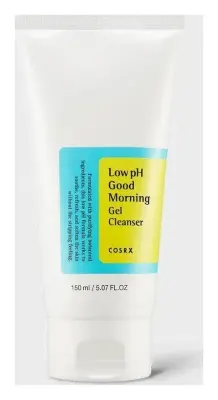
COSRX Low pH Good Morning Gel Cleanser
scent-free label
AmazonBrand lists it for sensitive skin
Dermalogica ultracalming cleanser
Panthenol, cucumber fruit extract, raspberry fruit extract · normal, dry, sensitive skin · scent-free label
AmazonBrand lists it for oily skin
Laneige Cream Skin Milky Toner with Ceramides & Peptides for Nourishing Hydration
Ceramide and peptide complex; White Leaf Tea · oily, dry, combination, sensitive, normal skin · scent-free label
Amazon
All 110 products with Disodium EDTA
Daily Moisturizers & Water Gel Creams (15)
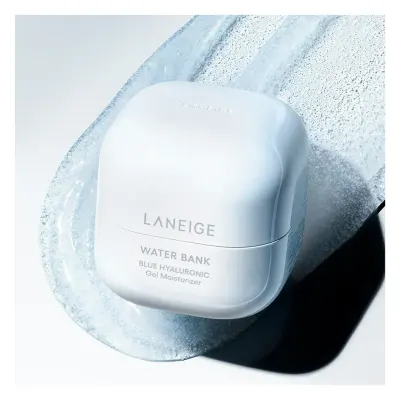 Laneige Water Bank Blue Hyaluronic Gel MoisturizerAmazon
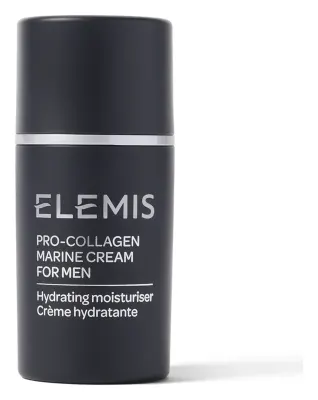 Elemis Pro-Collagen Marine Cream for MenAmazon
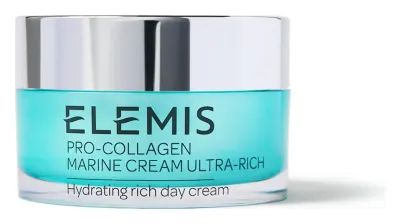 Elemis Pro-Collagen Marine Cream Ultra-RichAmazon
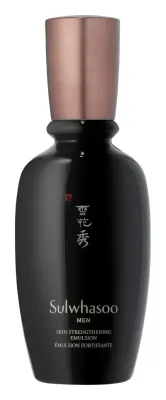 Sulwhasoo Skin Strengthening Emulsion for MenAmazon
 Elemis Pro-Collagen Night CreamAmazon
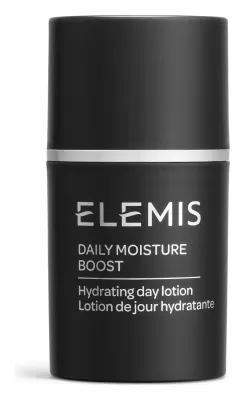 Elemis Daily Moisture BoostAmazon
 Elemis ULTRA SMART Pro-Collagen Day CreamAmazon
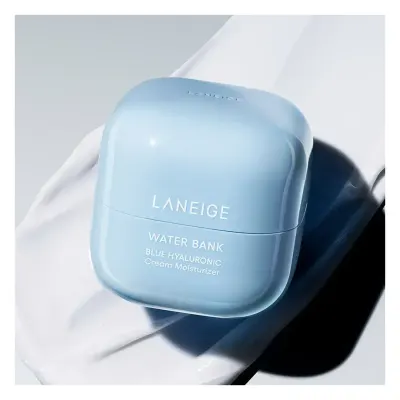 Laneige Water Bank Blue Hyaluronic Cream MoisturizerAmazon
 Perricone MD Cold Plasma Plus+ Sub-D/NeckAmazon
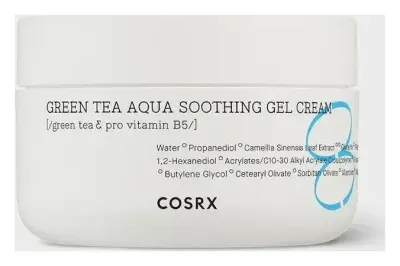 COSRX Hydrium Green Tea Aqua Soothing Gel CreamAmazon
 Elemis Pro-Collagen Morning MatrixAmazon
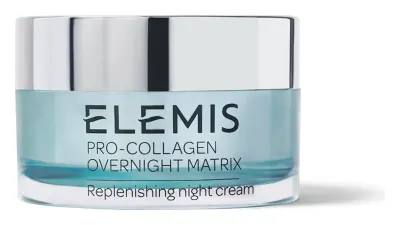 Elemis Pro-Collagen Overnight MatrixAmazon
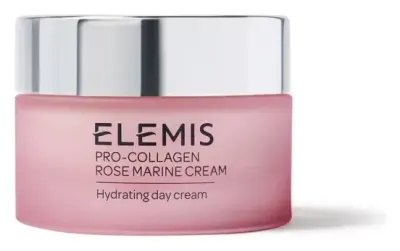 Elemis Pro-Collagen Rose Marine CreamAmazon
 Elemis Superfood Glow Priming MoisturiserAmazon
 Elemis ULTRA SMART Pro-Collagen Night GeniusAmazon
Gel, Foam & Cream Facial Cleansers (14)
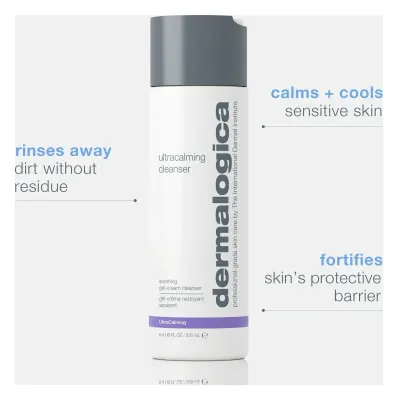 Dermalogica ultracalming cleanserAmazon
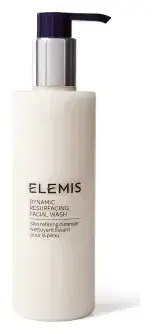 Elemis Dynamic Resurfacing Facial WashAmazon
 Dermalogica intensive moisture cleanserAmazon
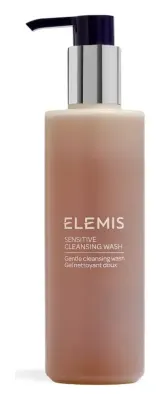 Elemis Sensitive Cleansing WashAmazon
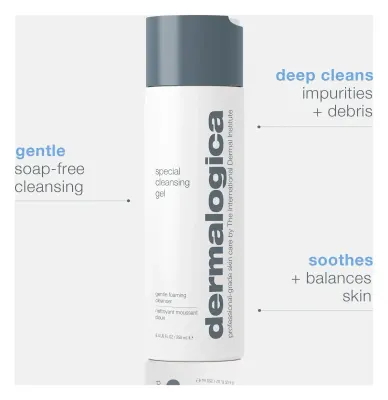 Dermalogica special cleansing gelAmazon
 Sulwhasoo Concentrated Ginseng Rejuvenating Cleansing FoamAmazon
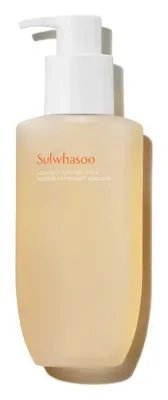 Sulwhasoo Gentle Cleansing FoamAmazon
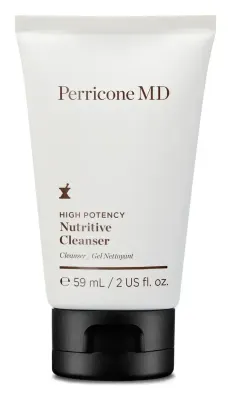 Perricone MD High Potency Classics Nutritive CleanserAmazon
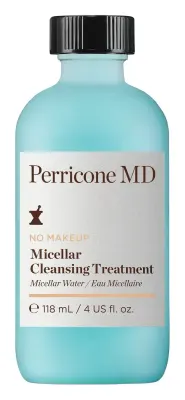 Perricone MD No Makeup Micellar Cleansing TreatmentAmazon
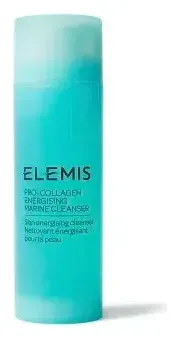 Elemis Pro-Collagen Energising Marine CleanserAmazon
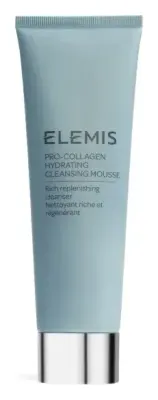 Elemis Pro-Collagen Hydrating Cleansing MousseAmazon
 Elemis Superfood Facial WashAmazon
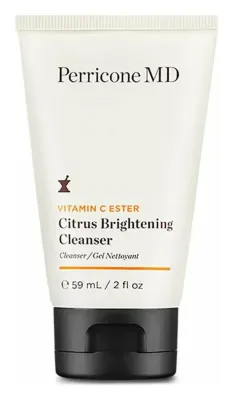 Perricone MD Vitamin C Ester Citrus Brightening CleanserAmazon
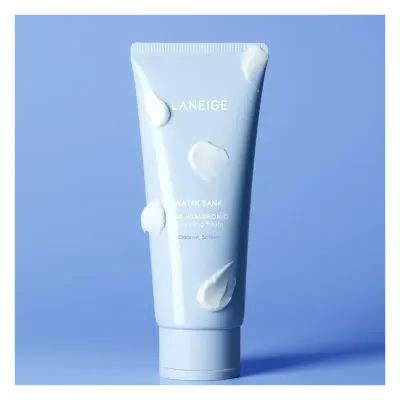 Laneige Water Bank Blue Hyaluronic Cleansing FoamAmazon
Eye Creams & Under-Eye Patches (10)
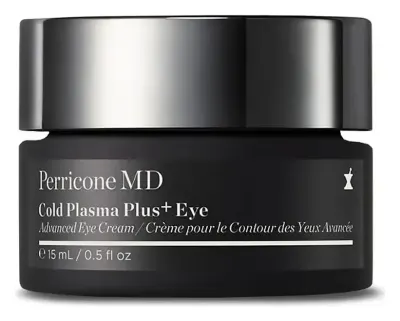 Perricone MD Cold Plasma Plus+ Advanced Eye CreamAmazon
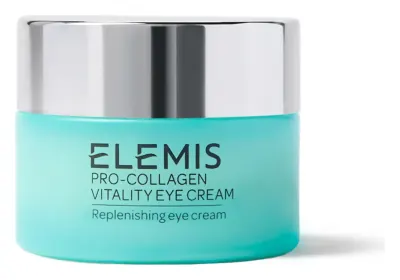 Elemis Pro-Collagen Vitality Eye CreamAmazon
 Dermalogica age reversal eye complexAmazon
 COSRX 5 PDRN Collagen Vitalizing Hydrogel Eye PatchAmazon
 Perricone MD Neuropeptide Eyelid Lift SerumAmazon
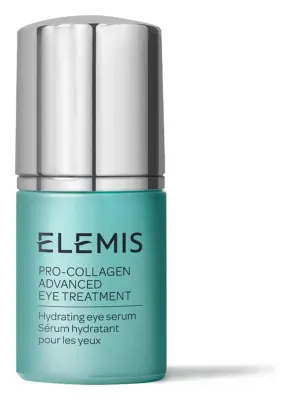 Elemis Pro-Collagen Advanced Eye TreatmentAmazon
 Elemis Pro-Collagen Eye Revive MaskAmazon
 Elemis Pro-Collagen Future Restore Eye SerumAmazon
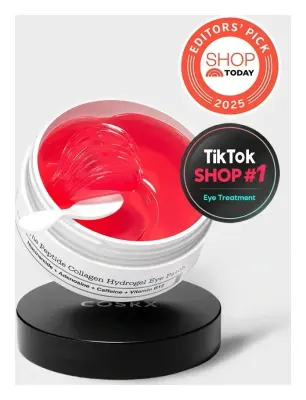 COSRX The Peptide Collagen Hydrogel Eye PatchAmazon
 Laneige Water Bank Blue Hyaluronic Eye CreamAmazon
Body Creams, Butters & Body Oils (9)
 Elemis Pro-Collagen Marine Body CreamAmazon
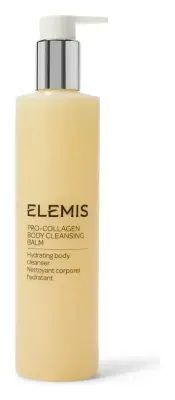 Elemis Pro-Collagen Body Cleansing BalmAmazon
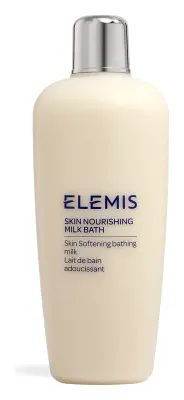 Elemis Skin Nourishing Milk BathAmazon
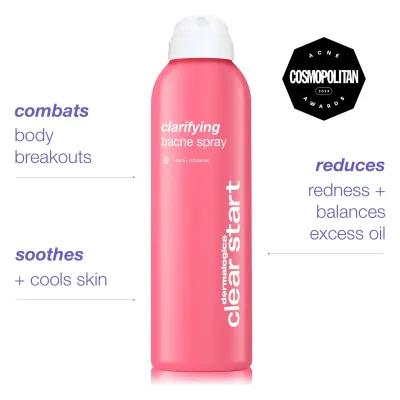 Dermalogica clarifying bacne sprayAmazon
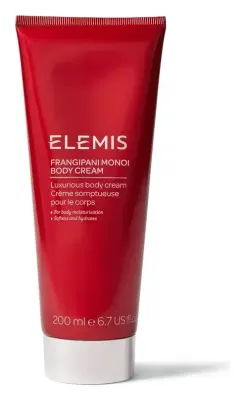 Elemis Frangipani Monoi Body CreamAmazon
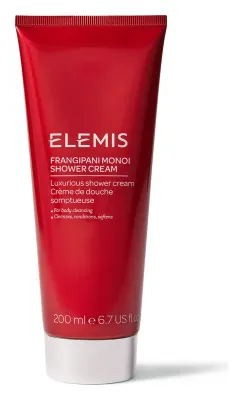 Elemis Frangipani Monoi Shower CreamAmazon
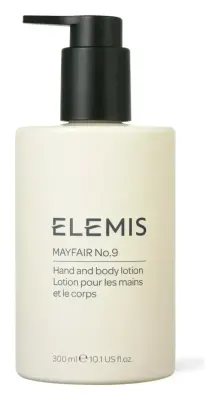 Elemis Mayfair No.9 Hand & Body LotionAmazon
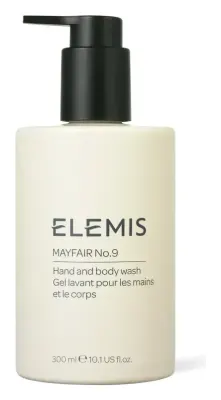 Elemis Mayfair No.9 Hand & Body WashAmazon
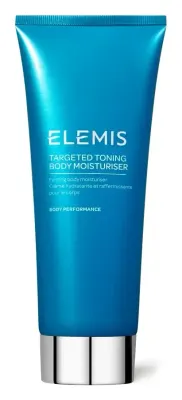 Elemis Targeted Toning Body MoisturiserAmazon
Hydrating Serums, Essences & Ampoules (8)
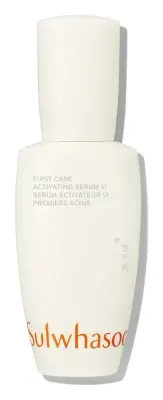 Sulwhasoo First Care Activating Serum VIAmazon
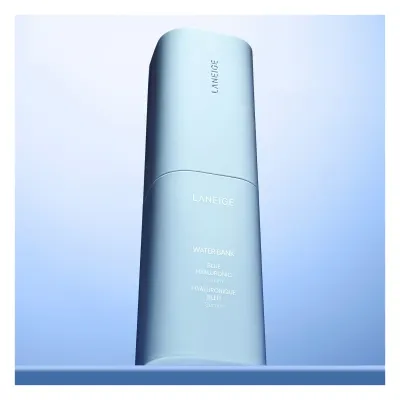 Laneige Water Bank Blue Hyaluronic SerumAmazon
 COSRX The 6 Peptide Skin Booster SerumAmazon
 COSRX 5 PDRN Collagen Intense Vitalizing SerumAmazon
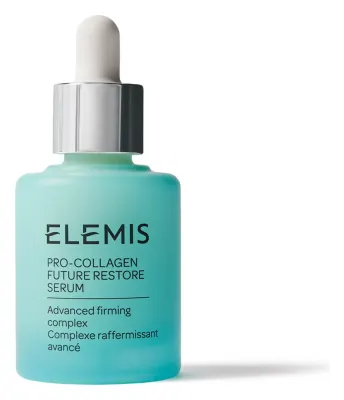 Elemis Pro-Collagen Future Restore SerumAmazon
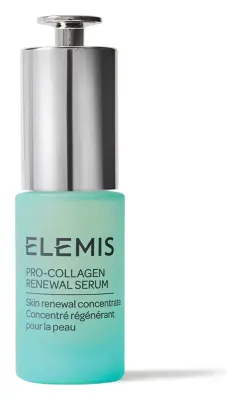 Elemis Pro-Collagen Renewal SerumAmazon
 Elemis ULTRA SMART Pro-Collagen Complex SerumAmazon
 Jane Iredale HydroPure Color Correcting Serum with Hyaluronic Acid & CoQ10Amazon
Hydrating Toners, Essence Waters & Face Mists (8)
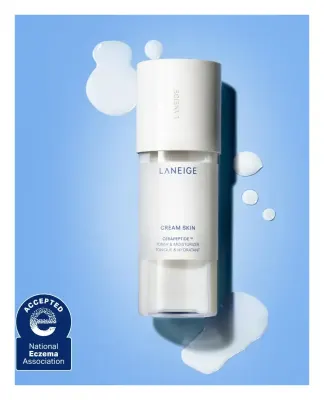 Laneige Cream Skin Milky Toner with Ceramides & Peptides for Nourishing HydrationAmazon
 Dermalogica antioxidant hydramistAmazon
 Elemis Soothing Apricot TonerAmazon
 COSRX 5 PDRN B5 Vital Soothing TonerAmazon
 Elemis Balancing Lavender TonerAmazon
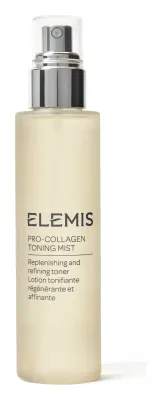 Elemis Pro-Collagen Toning MistAmazon
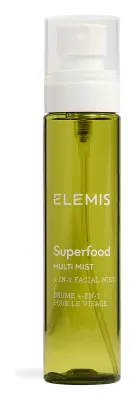 Elemis Superfood Multi MistAmazon
 COSRX The Ceramide Skin Barrier Moisturizing MistAmazon
Targeted Vitamin C & Brightening Correctors (6)
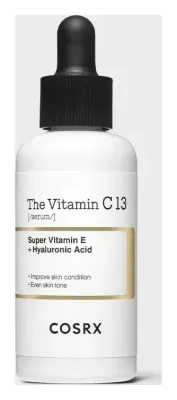 COSRX The Vitamin C 13 SerumAmazon
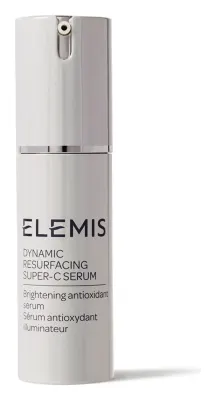 Elemis Dynamic Resurfacing Super-C SerumAmazon
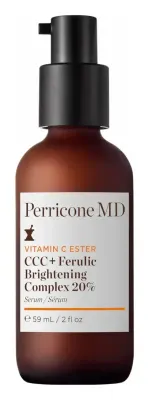 Perricone MD Vitamin C Ester CCC + Ferulic Brightening Complex 20%Amazon
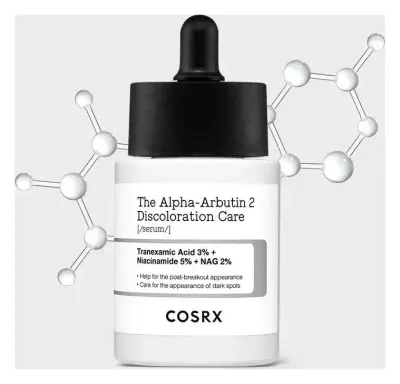 COSRX The Alpha-Arbutin 2 Discoloration Care SerumAmazon
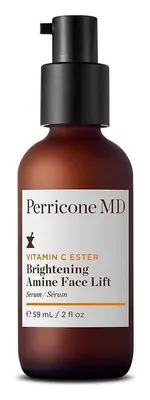 Perricone MD Vitamin C Ester Brightening Amine Face LiftAmazon
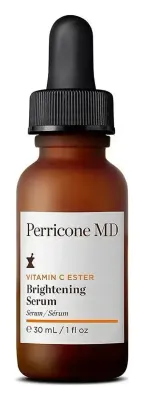 Perricone MD Vitamin C Ester Brightening SerumAmazon
Premium Double-Cleansing Balms & Melting Gels (5)
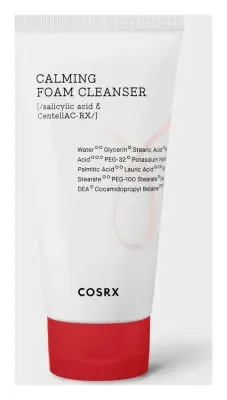
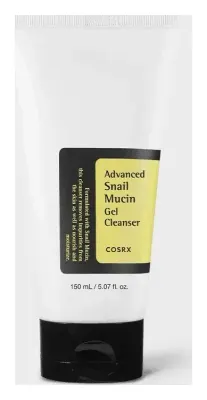
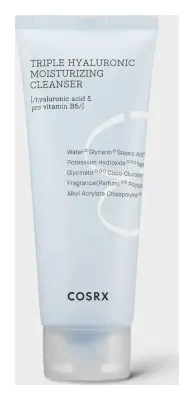
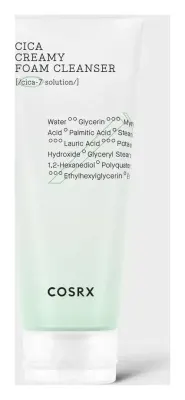
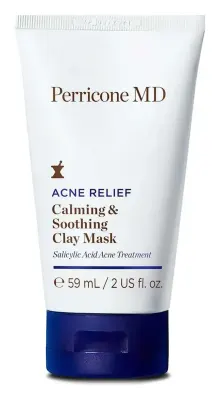
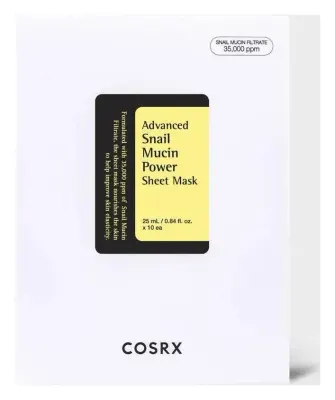
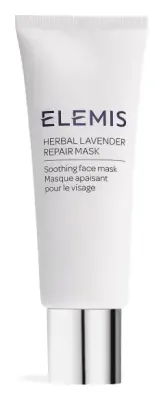
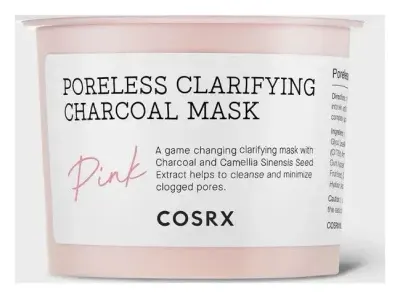
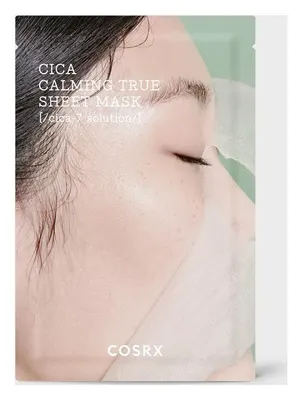
Sheet, Hydrogel & Clay Masks (5)
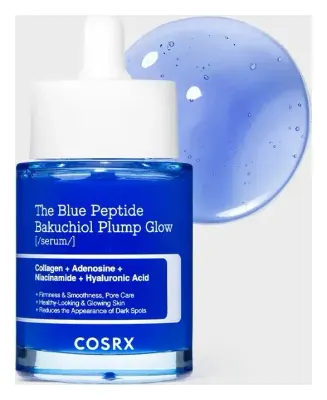
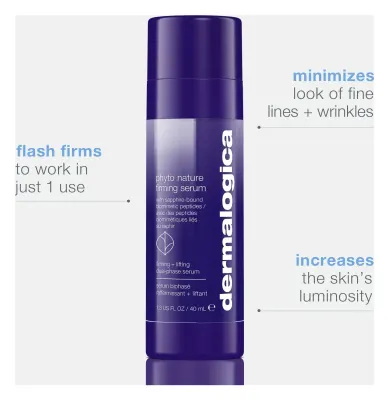
Anti-Aging & Retinoid Serums (4)


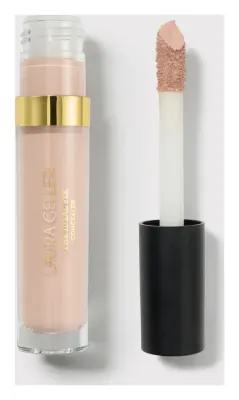
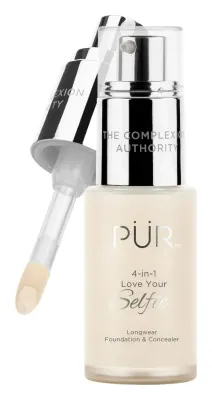
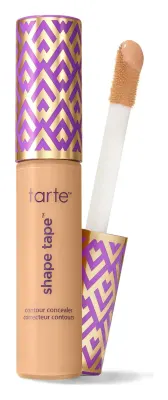
High-Definition Camouflage Concealers (4)

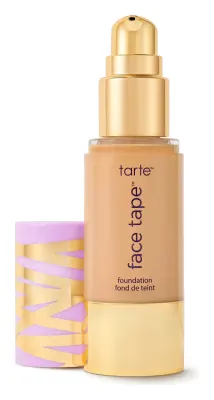
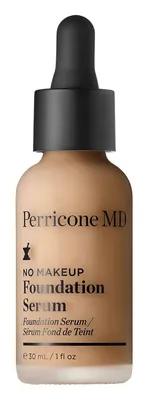
Full-Coverage Camouflage & Liquid Foundations (3)
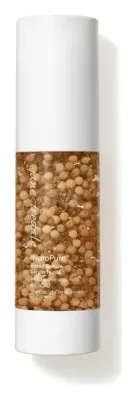
Cream & Gel Treatment Masks (3)


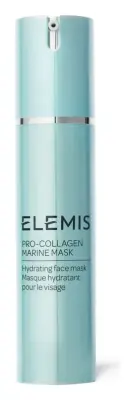
Blush, Bronzers & Highlighters (3)
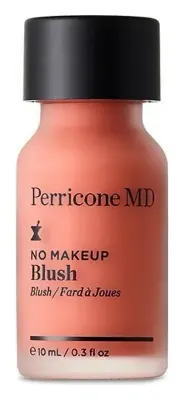
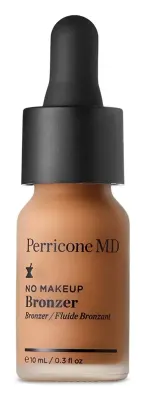
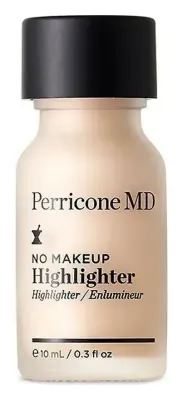
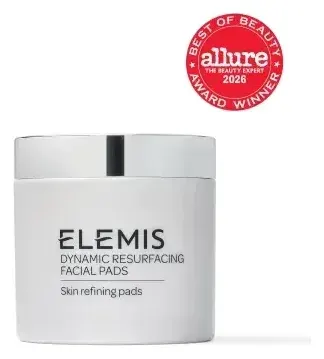
Physical & Enzyme Face Exfoliants (2)
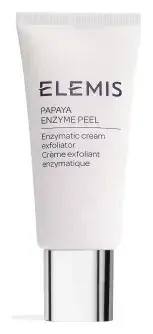
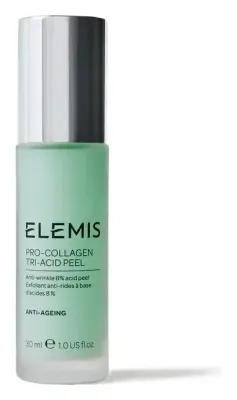
Premium Overnight Recovery Packs & Sleeping Facials (2)
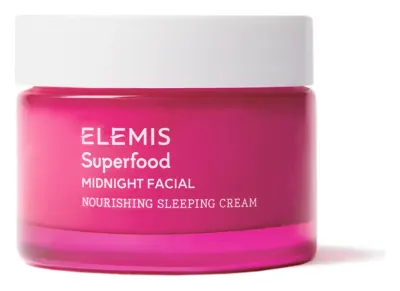

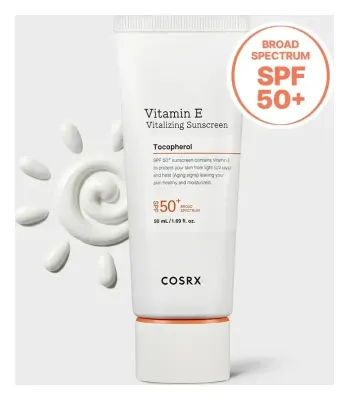
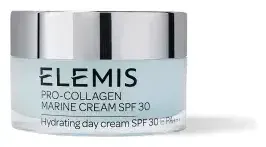
Daily Sunscreens & SPF Moisturizers (2)
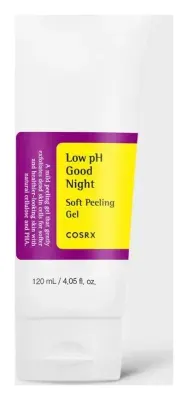
Dermatological Acne & Chemical Exfoliating Liquids (2)
Skin Barrier Repair Creams & Recovery Jars (1)
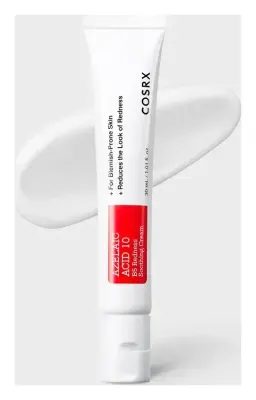
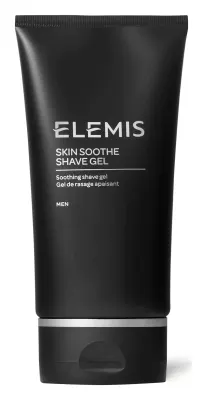
Shaving Creams, Gels & Oils (1)
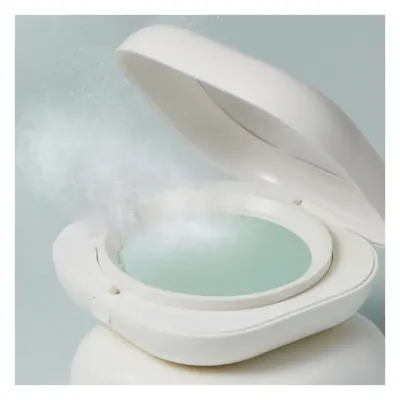
Mineral Pressed Powders & Skin-Nourishing Primers (1)
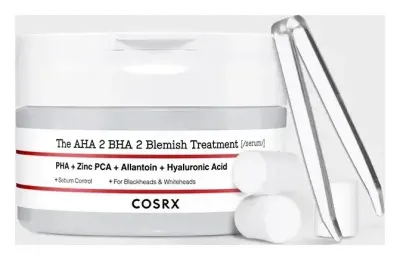
Pimple Patches & Overnight Spot Treatments (1)
Intensive Lip Recovery Masks & Tinted Balms (1)
Common questions
What does disodium EDTA do in skincare?
It binds small amounts of metal ions in a formula. That can help other ingredients, including preservatives, work more consistently and help the product stay stable.
Is disodium EDTA a preservative?
It is a chelator, not a preservative in the usual sense. It can support a preservation system, but it does not replace ingredients designed to control microbial growth.
Is disodium EDTA bad for the environment?
EDTA is persistent in the environment and does not readily break down, which is why biodegradability concerns are discussed. The amount in one product does not tell you its overall environmental impact.
What are alternatives to disodium EDTA?
Formulators can use other chelators, including [tetrasodium glutamate diacetate](/ingredients/tetrasodium-glutamate-diacetate/) and [sodium phytate](/ingredients/sodium-phytate/). The best choice depends on the formula and the other ingredients.