Sodium Phytate
What sodium phytate does as a formula stabilizer, how it binds trace metals, and why this quiet helper rarely needs special pairing.
Extremely safeIn 30 products we cover
We may earn a commission when you buy through links on this page. It never changes what we recommend.
Quick facts
- INCI name
- Sodium Phytate
- CAS number
- 7205-52-9
- Origin
- Plant-derived or Synthetic
- Chemical class
- Phytate salt
- What it does in a formula
- chelating, skin conditioning
- Why it is in the formula
- It binds trace metal ions that could otherwise affect a formula's stability or appearance.
What it is
Derived from phytic acid found in seeds and grains, sodium phytate is the sodium salt of phytic acid used as a chelator in creams, cleansers, and serums. It works behind the scenes to bind trace metal ions like iron and copper from water or raw materials, preventing unwanted reactions that can alter formula color or consistency over time. The ingredient may come from plants or synthetic processing, which the label alone does not detail.
What it does
- Binds trace metals. Sodium phytate can capture certain metal ions so they are less available to react with other ingredients.
- Supports formula stability. Chelation can help reduce metal-related changes in appearance or performance over time.
- Works alongside preservation. A chelator may support a formula’s overall preservation system, but it is not a substitute for a preservative. It is a supporting ingredient, not the reason to buy a product.
Who it suits
Sodium phytate is included to help the formula, not to act as a strong skin active. It does not exfoliate like glycolic acid or work as a standalone moisturizer. Most shoppers can treat it as part of the product’s design and focus on whether the finished formula suits their preferences. Its presence does not indicate that a product is especially natural, because both the source material and the processing can vary.
As with any cosmetic ingredient, a person can react to a finished product, but sodium phytate is not commonly singled out as a fragrance ingredient or a major sensitizer. If your skin reacts, stop using the product and consider all of its ingredients. Persistent irritation or a diagnosed skin condition is a reason to speak with a dermatologist rather than trying to identify a cause from the label alone.
What to pair it with, and what not to
There is nothing special to pair with sodium phytate. It works within the formula to bind trace metals and can appear alongside antioxidants, preservatives, or other stabilizers. Use the product as directed; you do not need to add a chelator separately.
Skin Realist check: Some of the best supporting cast members are invisible on screen. This one keeps its head down and lets the formula take credit.
Quick picks with Sodium Phytate
Scent-free, no patch-test flags on the label
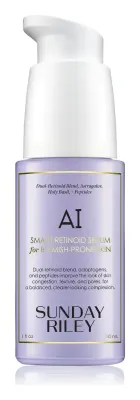
Sunday Riley A.I. Smart Retinoid Serum
Hydroxypinacolone Retinoate · scent-free label
AmazonBrand lists it for sensitive skin
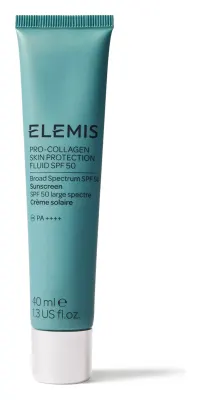
Elemis Pro-Collagen Skin Protection Fluid SPF 50
Padina pavonica, collagen amino acids, leuconostoc/radish root ferment filtrate · combination, dry, normal, oily, sensitive skin · scent-free label
AmazonBrand lists it for oily skin
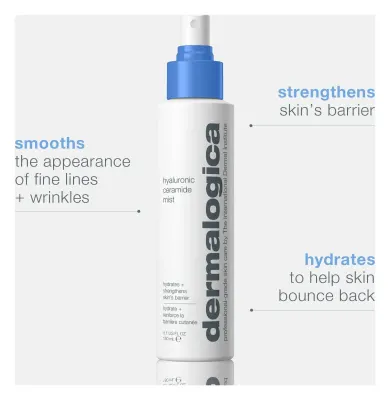
Dermalogica hyaluronic ceramide mist
Four types of hyaluronic acid, ceramide NP, and rose water · oily, dry, combination, sensitive, normal skin · scent-free label
Amazon
All 30 products with Sodium Phytate
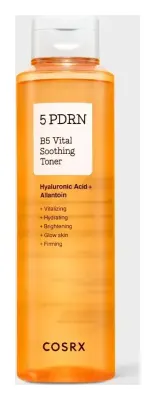
Hydrating Toners, Essence Waters & Face Mists (4)
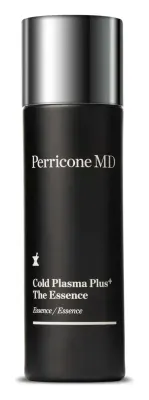
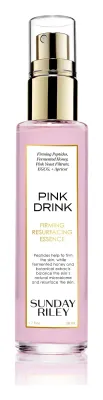
Eye Creams & Under-Eye Patches (3)
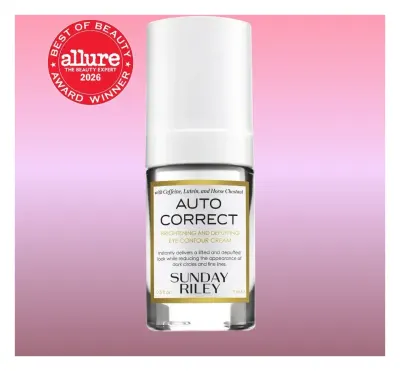
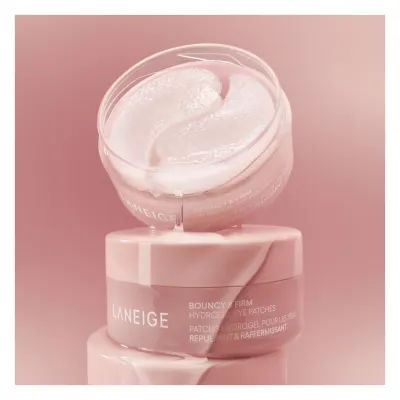
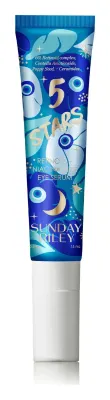
Dermatological Acne & Chemical Exfoliating Liquids (3)
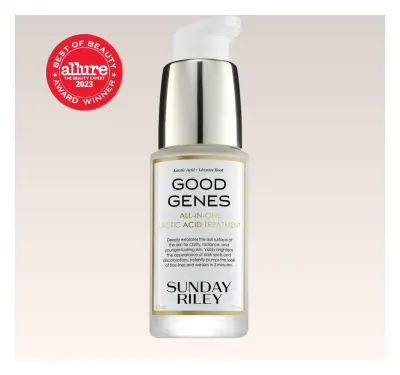
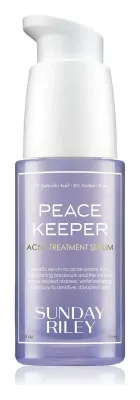
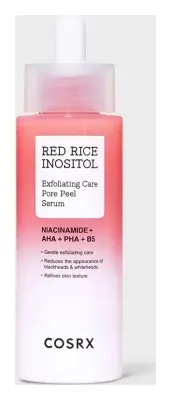
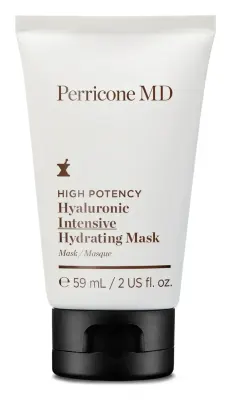
Sheet, Hydrogel & Clay Masks (3)



Daily Moisturizers & Water Gel Creams (3)
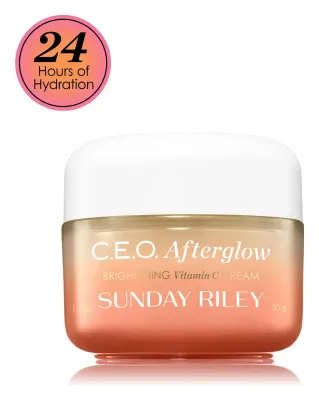
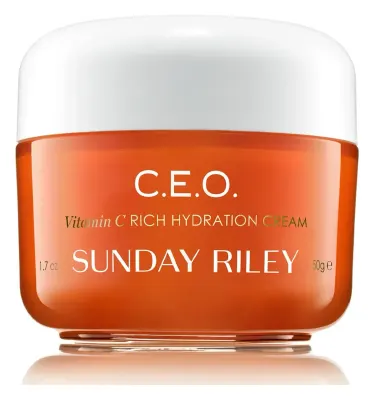

Hydrating Serums, Essences & Ampoules (3)

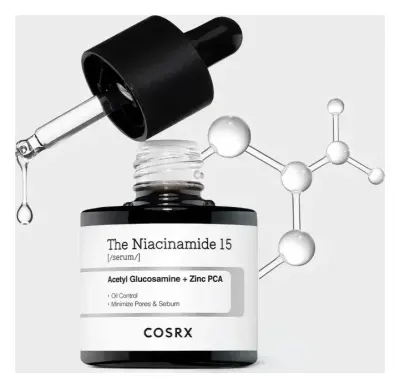
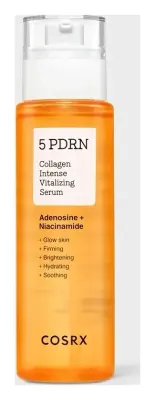
Anti-Aging & Retinoid Serums (2)

Premium Double-Cleansing Balms & Melting Gels (2)
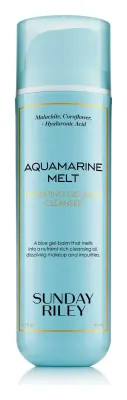
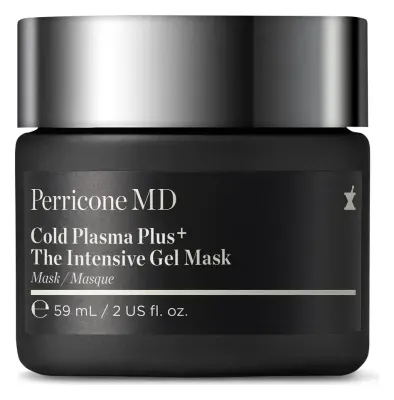
Cream & Gel Treatment Masks (2)
Targeted Vitamin C & Brightening Correctors (1)
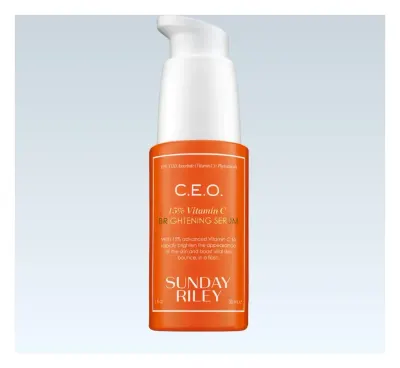
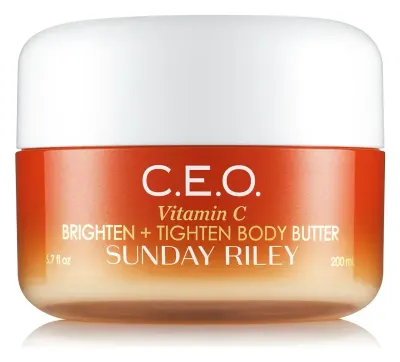
Body Creams, Butters & Body Oils (1)
Daily Sunscreens & SPF Moisturizers (1)
Premium Overnight Recovery Packs & Sleeping Facials (1)

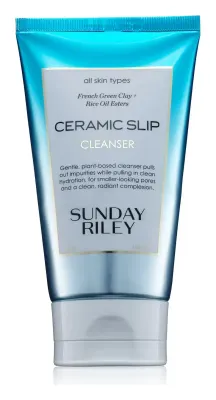
Gel, Foam & Cream Facial Cleansers (1)
Common questions
What does sodium phytate do in skincare?
Sodium phytate is a chelator. It binds trace metal ions in a formula, which can help limit unwanted changes in color, odor, or stability.
Is sodium phytate natural?
Phytate compounds are associated with plants, where they occur in seeds and grains. Cosmetic sodium phytate can be processed or made through different supply chains, so the ingredient name alone does not establish the exact source.
Is sodium phytate an exfoliant?
No. It is not used like an exfoliating acid. Its main role is to bind metal ions in the formula rather than loosen dead skin cells.
Why is sodium phytate in my moisturizer?
It can help keep the formula stable by binding trace metals. It is a supporting ingredient and is not usually the reason a moisturizer is chosen.