Urea
What urea does in skincare, how it helps moisturize dry skin, who may prefer it, and how it differs from similarly named preservatives.
Extremely safeIn 18 products we cover
We may earn a commission when you buy through links on this page. It never changes what we recommend.
What it is
Urea is a compound that occurs naturally in the skin and is also made for use in skincare products. In topical formulas, it acts as a humectant, helping the outer layer of skin hold moisture. It is found in face and body moisturizers, hand creams, and products for rough areas, with formulas designed for different parts of the body.
Do not confuse urea with imidazolidinyl urea or diazolidinyl urea. Those longer names refer to preservatives, not the moisturizing urea discussed here. Ingredient lists can be crowded, so reading the complete name matters.
What it does
- Helps skin hold moisture. As a humectant, urea attracts water to the outer skin and can help dry areas feel less tight.
- Softens rough-feeling skin. Depending on the formula, it may help improve the feel of flaky or rough patches.
- Can serve different areas. Some products are made for the face, while others are designed for hands, feet, or body skin. The intended use is not interchangeable.
- Varies by product strength and base. Urea is used in a range of formulas, and a product’s overall feel and effect depend on more than the ingredient name alone.
Who it suits
Urea may be useful to consider if your skin feels dry or rough and you want a moisturizer with a humectant. Pick a product intended for the area you plan to use it on and follow its label, especially for face products or delicate areas. It can sting when skin is cracked or irritated. Avoid applying it to broken skin unless a healthcare professional has advised you to. If dryness is persistent, painful, or accompanied by other symptoms, a dermatologist can help determine what is going on.
What to pair it with, and what not to
Urea fits well in a moisturizing routine, including alongside ceramides or glycerin. You do not need to pair it with an exfoliant for it to moisturize. If your formula contains other active ingredients, introduce it thoughtfully and watch for discomfort. For dry lips, use a lip product specifically labeled for that area and see our guide to fixing dry, chapped lips; do not assume a body cream belongs on your lips. A spa-night body-care routine can include a urea lotion if its label says it is suitable for the area.
Skin Realist check: Dry skin does not need a lecture about drinking more water. Sometimes it needs a moisturizer that can do its actual job and a break from harsh scrubbing.
How it appears on labels: Urea; Hydroxyethyl Urea
Quick picks with Urea
Scent-free, no patch-test flags on the label
Dermalogica age reversal eye complex
Microencapsulated retinol, niacinamide, ash tree bark extract, vitamin C and peptides · oily, dry, combination, sensitive, normal skin · scent-free label
AmazonBrand lists it for sensitive skin
Dermalogica biolumin-c vitamin c gel moisturizer
Vitamin C complex, squalane, five types of hyaluronic acid, Verbascum thapsus flower extract, phytic acid and pumpkin enzymes · oily, dry, combination, sensitive, normal skin · scented
AmazonBrand lists it for oily skin
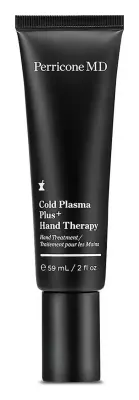
Perricone MD Cold Plasma Plus+ Hand Therapy
Shea butter, phospholipids and glycine · oily, dry, combination, sensitive, normal skin · scent-free label
Amazon

All 18 products with Urea
Daily Moisturizers & Water Gel Creams (6)
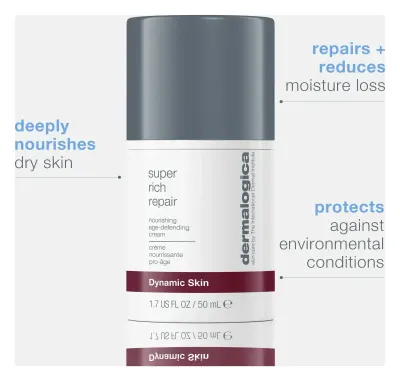 Dermalogica super rich repair moisturizerAmazon
 Dermalogica biolumin-c vitamin c gel moisturizerAmazon
 Dermalogica skin smoothing cream moisturizerAmazon
 Perricone MD High Potency Hyaluronic Intensive MoisturizerAmazon
 Dermalogica pro-collagen banking water creamAmazon
 Elemis Pro-Collagen Morning MatrixAmazon
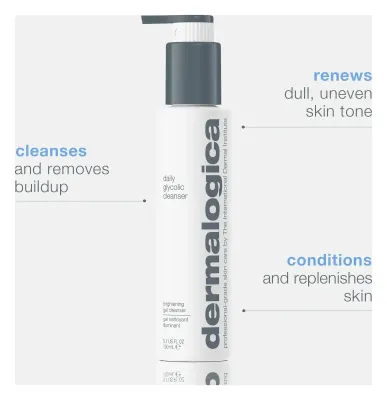
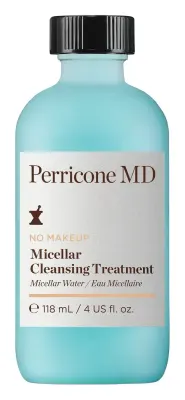
Gel, Foam & Cream Facial Cleansers (3)

Eye Creams & Under-Eye Patches (2)
Body Creams, Butters & Body Oils (2)
Cream & Gel Treatment Masks (2)

Hydrating Serums, Essences & Ampoules (1)

Dermatological Acne & Chemical Exfoliating Liquids (1)

High-Definition Camouflage Concealers (1)

Common questions
What does urea do in skincare?
Urea is a humectant used to help attract and retain moisture in the outer skin. In some formulas, it can also help soften rough-feeling skin.
Is urea the same as imidazolidinyl urea?
No. Urea is a moisturizing ingredient, while imidazolidinyl urea and diazolidinyl urea are preservatives with different functions. The shared word does not mean they behave the same way.
Can urea sting sensitive skin?
It can sting on irritated or cracked areas, and reactions vary by formula and person. Follow the product directions and stop if discomfort persists.
Can you use urea on your face?
Some products are made for facial use and others are intended for the body or feet. Check the label and use a product only on the areas specified by its directions.