Xylitol
What xylitol does in skincare, why a sweetener can also be a humectant, and how to read its role in a formula.
Extremely safeIn 16 products we cover
We may earn a commission when you buy through links on this page. It never changes what we recommend.
Quick facts
- INCI name
- Xylitol
- CAS number
- 488-81-3
- Origin
- Plant-derived or Synthetic
- Chemical class
- Sugar alcohol (polyol)
- What it does in a formula
- humectant, skin conditioning
- Why it is in the formula
- Used as a humectant to support a comfortable, hydrated feel.
What it is
Occurring naturally in birch trees and fibrous fruits and produced commercially for foods and personal care, xylitol is a five-carbon polyol sugar alcohol. While familiar as a sugar substitute, in topical skincare it serves strictly as an effective humectant and skin conditioner that attracts moisture to the stratum corneum.
Humectants help attract water to the outer layers of skin or support water in a formula. Xylitol may appear with other hydration ingredients in a cream, cleanser, or serum. The ingredient list does not tell you how much is present, where the raw material came from, or whether it is the main source of hydration in the finished product.
What it does
- Supports a hydrated feel. As a humectant, it can help water remain available in the outer skin layers.
- Conditions skin. It may contribute to a smooth, comfortable feel in a formula.
- Works alongside other humectants. It can be included with ingredients such as glycerin or sugar-based moisturizing agents.
- Has a supporting role. It is not a reason to buy a product on its own.
Who it suits
If you want a hydrating product, xylitol may be one member of the humectant blend. You do not need to seek it out based on its food use, and it is not the same as consuming a sweetener. The formula’s overall texture and how it fits your routine are more useful criteria.
Most people do not need to treat xylitol as a strong active that requires a special introduction schedule. Still, any cosmetic can cause discomfort in some people. Patch-test a new formula if you are unsure and stop using it if irritation persists. For repeated or unexplained reactions, consider asking a dermatologist.
What to pair it with, and what not to
Xylitol can sit alongside humectants such as glycerin and hyaluronic acid, with a moisturizer layered as needed for comfort. It does not need a special pairing. There is no need to add multiple hydrating serums just because a product contains a sugar alcohol.
Skin Realist check: A sweet-sounding ingredient can do a practical job without turning your moisturizer into dessert.
Quick picks with Xylitol
Scent-free, no patch-test flags on the label
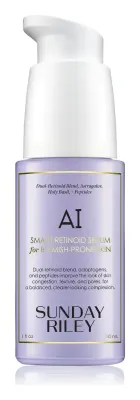
Sunday Riley A.I. Smart Retinoid Serum
Hydroxypinacolone Retinoate · scent-free label
AmazonBrand lists it for sensitive skin
Dermalogica biolumin-c vitamin c eye serum
Vitamin C complex, Arjun tree extract, chia seed oil, Tremella mushroom, micro-algae and Poria mushroom · oily, dry, combination, sensitive, normal skin · scented
AmazonBrand lists it for oily skin
Elemis ULTRA SMART Pro-Collagen Aqua Infusion Mask
ULTRA SMART Aqua Shuttle Technology, sodium hyaluronate, Padina pavonica, collagen amino acids · combination, dry, normal, oily, sensitive skin · scented
Amazon


All 16 products with Xylitol
Hydrating Serums, Essences & Ampoules (2)
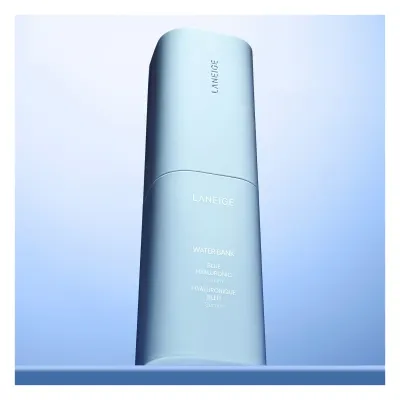

Eye Creams & Under-Eye Patches (2)

Daily Moisturizers & Water Gel Creams (2)


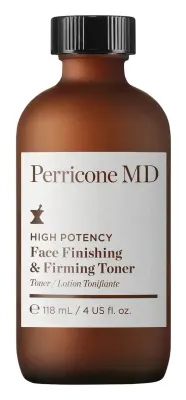
Hydrating Toners, Essence Waters & Face Mists (2)

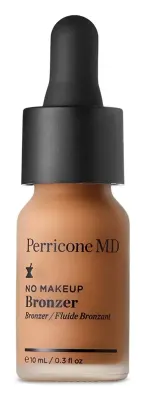
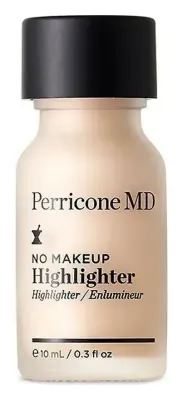
Blush, Bronzers & Highlighters (2)
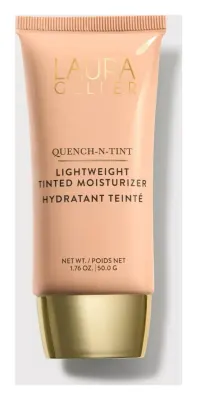
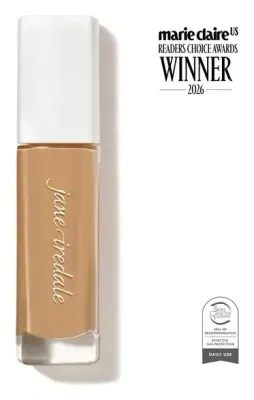
Full-Coverage Camouflage & Liquid Foundations (2)
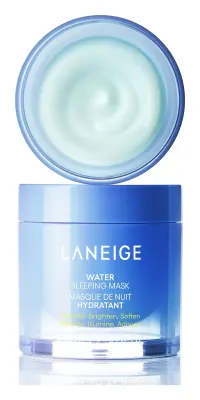
Premium Overnight Recovery Packs & Sleeping Facials (1)
Anti-Aging & Retinoid Serums (1)
Cream & Gel Treatment Masks (1)
High-Definition Camouflage Concealers (1)
Common questions
What is xylitol in skincare?
Xylitol is a sugar alcohol, or polyol, used in cosmetics mainly as a humectant. It can help support a hydrated feel in the outer layers of skin.
Is xylitol the same as the sweetener?
It is the same molecule used as a sweetener in other products, but its role in skincare is different. In a cosmetic formula it is used for humectant or skin-conditioning functions.
Is xylitol natural?
It can be made from plant-derived materials or through other manufacturing routes. The ingredient list does not identify which source a particular brand used.
Can xylitol irritate skin?
It is used as a humectant, but no cosmetic ingredient guarantees that every formula will suit every person. Stop using a product if it causes ongoing discomfort.