Blackheads vs sebaceous filaments: are those dots on your nose really blackheads?
How to tell sebaceous filaments from blackheads, why squeezing and pore strips don't fix either, and what actually makes nose pores less visible.
Short answer
Most tiny grey or tan dots on the nose are sebaceous filaments, not blackheads. Filaments are a normal lining of oil and dead skin in every pore: flat, light-coloured, and they refill within about a month if squeezed. Blackheads are true clogged pores (open comedones): darker, often slightly raised, and a form of acne. Pore strips pull out both temporarily but stop neither from coming back.
We may earn a commission when you buy through links on this page. It never changes what we recommend.
What this means for you
Start with what you notice
Work out whether the dots on your nose are blocked pores or the normal lining of every pore.
The ingredient names, translated
Everyone has sebaceous filaments. They're the normal way oil travels out of your pores, and you can make them less visible but never get rid of them. Blackheads are blocked pores and count as mild acne. Both respond to the same gentle treatments, and neither should be squeezed.
How to decide
- Flat, light grey or tan, and level with the skin is a sebaceous filament. Everyone has them.
- Darker, and standing slightly proud of the skin, is a blackhead: a blocked pore.
- Evenly spaced dots, all the same size, are filaments. A few darker ones that stand out from their neighbours are blackheads.
- If you cannot see the difference at all, treat the area gently and do not squeeze either one.
What to expect
Filaments can be made less visible but never removed, and they come back within about a month. Blackheads need the same kind of treatment as other clogged pores and are judged over six to eight weeks. Pore strips pull both out and stop neither.
General guidance, not a test of these products: Sebaceous filaments (Cleveland Clinic); Singh Y, et al. Sebaceous filaments. Dermatol Pract Concept. 2021;11(1):e2021148 (PMID 33614220); Comedonal acne (DermNet); Acne: overview (NHS); How to treat different types of acne (American Academy of Dermatology); Pimple popping: why only a dermatologist should do it (American Academy of Dermatology). Each product's label source is linked on its product page.
Our label-based picks
Each pick is matched to a need using what the brand's label says. We haven't tested these, so they aren't winners or guarantees of suitability.
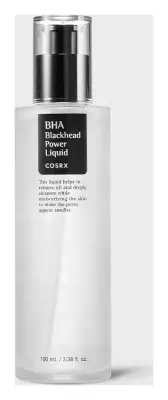
Best leave-on BHA for visible pores
Why it fits: A 10-ingredient liquid with betaine salicylate and niacinamide that COSRX positions for clearer-looking pores; sold as fragrance free.
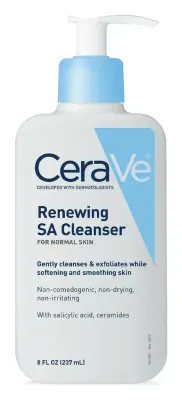
Manufacturer source · checked 2026-10-10Best salicylic acid cleanser
Why it fits: A fragrance-free salicylic acid wash with ceramides and niacinamide.
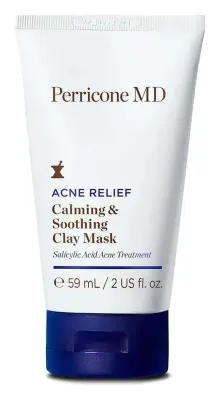
Manufacturer source · checked 2026-10-23Best clay mask for a quick fix
Why it fits: A bentonite clay mask with 2% salicylic acid as its active, sold as fragrance free.
Manufacturer source · checked 2026-10-11

What are sebaceous filaments?
Cleveland Clinic describes sebaceous filaments as thin, thread-like structures that line the oil glands and help carry sebum (skin oil) up to the surface. A dermatology case report in Dermatology Practical & Conceptual describes them as yellowish to off-white collections of sebum and dead cells around hair follicles.
The key point: everyone has them, and they’re healthy. They’re not acne and they don’t need “clearing”. They just become more visible when the pore is large or the skin is oily.
What’s the difference between a blackhead and a sebaceous filament?
| Sebaceous filament | Blackhead (open comedone) | |
|---|---|---|
| What it is | Normal oil channel lining the pore | A pore blocked by a plug of oil and dead skin |
| Is it acne? | No | Yes, mild (comedonal) acne |
| Colour | Grey, light brown, tan or yellowish | Dark brown to black |
| Shape | Flat, flush with the skin | Often slightly raised |
| Pattern | Many, evenly spaced, same size | Fewer, scattered, uneven sizes |
| If squeezed | A thin, waxy, thread-like strand (or nothing) | A dark-topped waxy plug |
| After removal | Refills within about 30 days | Can come back if pores keep clogging |
| Where | Nose, forehead, chin, cheeks | Nose, forehead, chin; also back and chest |
Sources: Cleveland Clinic, DermNet, NHS.
Why are blackheads black?
Not because of dirt. The NHS explains that the colour comes from pigment produced by the lining of the hair follicle, and DermNet attributes it to surface melanin. That’s why the American Academy of Dermatology (AAD) advises against scrubbing: it won’t remove the colour and can make acne worse.
A quick self-check
- Look from normal distance, not a magnifying mirror. If the dots disappear at arm’s length and look evenly spread, they’re very likely filaments.
- Check the colour. Grey, tan or yellowish points to filaments. A clearly black dot that stands out from its neighbours points to a blackhead.
- Feel the skin. Filaments are flat. Blackheads can feel slightly bumpy.
- Look elsewhere. Blackheads alongside whiteheads or pimples on the forehead or chin suggest comedonal acne.
Skin Realist check: the “gunk” that comes out of a nose pore when you squeeze it is usually a filament, not a blackhead. Getting it out doesn’t mean you’ve fixed anything. It will be back within weeks.
Do pore strips work?
Pore strips do pull out the top of what’s sitting in your pores, which is why the strip looks satisfying afterwards. But that’s usually mostly filament material. Cleveland Clinic notes that strips can remove sebaceous filaments as well as blackheads, that filaments refill within about 30 days, and that removing them can dry the skin and let in bacteria.
So:
- They don’t prevent anything. Nothing about a strip stops a pore from refilling or clogging again.
- They don’t shrink pores in any lasting way.
- They can irritate, especially if your skin is sensitive, sunburned, or you’re using a retinoid or exfoliating acid.
If you like using them occasionally, follow the pack directions, don’t use them on irritated skin, and don’t expect a lasting result.
Should you squeeze sebaceous filaments or blackheads?
No. Cleveland Clinic points out that your nails are much harder than your skin and squeezing can irritate or seriously damage it. The AAD warns that squeezing blemishes at home often pushes material deeper into the skin, which increases inflammation and can cause scars, more noticeable acne and infection.
If you have stubborn blackheads, a dermatologist can do comedo extraction with sterile instruments. The AAD notes it’s usually offered only when other treatment hasn’t worked, and blackheads can return afterwards, so you’ll still need a routine to prevent new ones.
How to make sebaceous filaments less visible
You can’t remove filaments for good, but Cleveland Clinic lists ways to make them smaller and less noticeable:
- Salicylic acid (a BHA), as a cleanser or leave-on product. It helps clear dead skin cells so follicles are less likely to clog. CeraVe Renewing SA Cleanser is a fragrance-free wash, and COSRX BHA Blackhead Power Liquid is a leave-on using betaine salicylate, a related ingredient.
- A retinoid, such as over-the-counter adapalene or a retinol product. Retinoids help prevent clogged pores. Peeling and redness are common at first; using it every other night or with a moisturiser helps.
- Gentle, regular cleansing once or twice a day with a mild cleanser and lukewarm water.
- Moisturiser. Cleveland Clinic notes that over-drying the skin (too much washing, too much sun) can make oil glands work harder and filaments look bigger.
- Non-comedogenic products, and removing makeup every night.
Clay masks (for example kaolin, or the bentonite in Perricone MD Acne Relief Clay Mask) can soak up surface oil for a few hours, which may make filaments look less obvious for a short time. We couldn’t find good evidence that they change filaments or blackheads long-term.
If filaments still bother you after a couple of months of this, Cleveland Clinic suggests seeing a doctor, who can prescribe stronger treatments that reduce oil production.
How to treat real blackheads
Because blackheads and filaments are made of the same material (oil and dead skin), the treatments overlap. For true blackheads, the AAD recommends:
- A retinoid to unclog pores. Adapalene is available without a prescription in the US.
- A benzoyl peroxide wash, especially if you also get pimples.
- Six to eight weeks of consistent use before judging the result.
The full routine is in how to clear blackheads.
When should you see a dermatologist?
- Blackheads haven’t improved after six to eight weeks of a retinoid or salicylic acid.
- You have lots of whiteheads, pimples or deeper spots as well.
- Squeezing has left marks or scars.
- You’re not sure what the bumps are. Some forehead bumps that look like clogged pores are actually fungal acne or keratosis pilaris.
Common questions
Are these blackheads on my nose?
Probably not all of them. If the dots are small, flat, evenly spread and grey, tan or yellowish, they're most likely sebaceous filaments. A blackhead is usually darker, can be slightly raised, and stands out from the pores around it.
Can you get rid of sebaceous filaments permanently?
No. Cleveland Clinic explains they're a normal part of the skin that carries oil to the surface, so everyone has them. You can make them smaller and less noticeable with salicylic acid, a retinoid and a consistent routine.
Do pore strips work?
Only briefly. Strips pull out the top of whatever is in the pore, including sebaceous filaments, but they don't stop pores refilling. Cleveland Clinic says a squeezed-out filament refills within about 30 days and cautions that strips can irritate the skin.
Should I squeeze sebaceous filaments?
No. They refill within weeks, and squeezing with fingernails can irritate or damage the skin. The American Academy of Dermatology also warns that squeezing can push material deeper and cause inflammation, marks or infection.
Why are the pores on my nose so visible?
Nose pores are often larger and oilier, which makes filaments more noticeable. Cleveland Clinic lists oily skin, thicker hair follicles and age-related loosening of the skin as reasons filaments look bigger. Over-washing and sun damage can make things worse.
What gets rid of blackheads if they are real blackheads?
The American Academy of Dermatology recommends a retinoid such as over-the-counter adapalene, often with a benzoyl peroxide wash. Salicylic acid is another option. Give treatment six to eight weeks. See our step-by-step guide to clearing blackheads.