Cetearyl Olivate
What cetearyl olivate does in creams, how it helps oil and water stay blended, and why it is a formula helper.
Extremely safeIn 21 products we cover
We may earn a commission when you buy through links on this page. It never changes what we recommend.
Quick facts
- INCI name
- Cetearyl Olivate
- Origin
- Plant-derived or Synthetic
- Chemical class
- Fatty-acid ester emulsifier
- What it does in a formula
- emulsifying, emulsion stabilizing, skin conditioning
- Why it is in the formula
- Usually used as an emulsifier to help a cream stay blended and feel smooth.
What it is
Created by combining cetearyl alcohol with fatty acids derived from olive oil, cetearyl olivate is a skin-conditioning emulsifier used to stabilize cosmetic creams. It is an engineered ester rather than pure culinary olive oil, so it behaves differently in a formulation. Formulators frequently pair it with co-emulsifiers to build elegant, stable emulsion structures.
You may see it in lotions, creams, and other products where oils and water need to remain blended. Oil and water naturally separate, so formulators use emulsifiers to create a uniform mixture with a consistent texture. Cetearyl olivate can also contribute to the product’s soft, creamy slip. It is a supporting ingredient, not the reason to buy a product, and seeing it on a label does not reveal how much is present.
What it does
- Brings oil and water together. Its main job is to help an emulsion form, so the product can be a cream rather than separate oil and water layers.
- Helps keep the mixture uniform. It contributes to stability, although packaging and the rest of the formula also affect how a product holds up.
- Adds a smooth feel. The ingredient can help give a lotion a cushioned, spreading texture.
- Supports product design. Formulators can use emulsifiers to create different thicknesses and finishes without relying on a single ingredient.
Who it suits
Cetearyl olivate is a formula helper rather than a strong active, and it is not selected for one skin type. It may appear in moisturizers for dry, normal, or combination skin. The complete formula determines whether a cream feels too rich or light. There is no reliable comedogenic score for predicting every person’s response. Ask the manufacturer if its sourcing matters to you.
What to pair it with, and what not to
Cetearyl olivate does not need a separate ingredient partner in your routine. It can be part of the same cream as glycerin or other emollients because its job is to keep the formula together. Choose products based on the function and feel you want. You do not need to add oil to a cream to help its emulsifier work, and you should not shake or remix a product unless its package directions say to do so.
Skin Realist check: The formula can be the quiet work of several ingredients sharing a job. Not every name needs a solo.
Quick picks with Cetearyl Olivate
Scent-free, no patch-test flags on the label
COSRX Advanced Snail 92 All in One Cream
Snail Secretion Filtrate · scent-free label
AmazonBrand lists it for sensitive skin
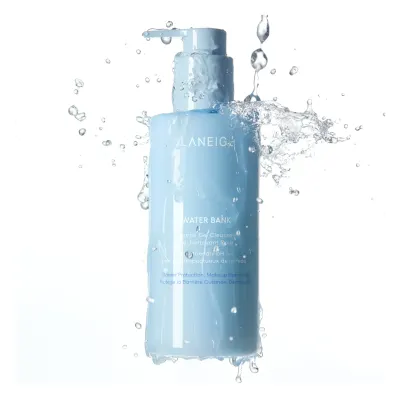
Laneige Water Bank Gentle Gel Cleanser
Blue Hyaluronic Acid, allantoin, and amino acid complex · sensitive skin · scent-free label
AmazonFeatured in our guides
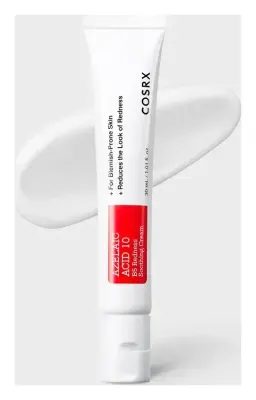
COSRX Azelaic Acid 10 B5 Redness Soothing Cream
Azelaic Acid 10% · scent-free label
Amazon
All 21 products with Cetearyl Olivate
Daily Moisturizers & Water Gel Creams (11)
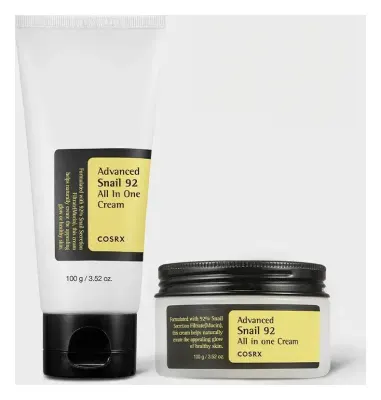 COSRX Advanced Snail 92 All in One CreamAmazon
 Sulwhasoo Concentrated Ginseng Rejuvenating CreamAmazon
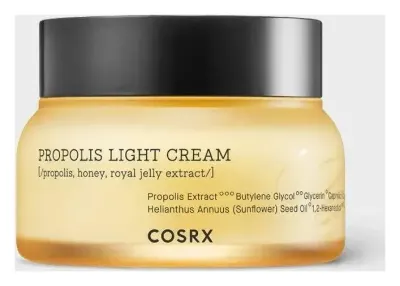 COSRX Full Fit Propolis Light CreamAmazon
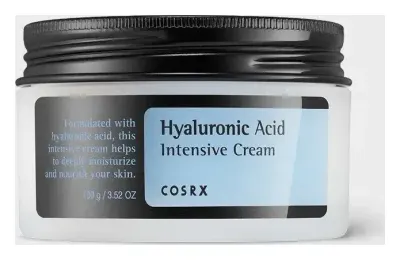 COSRX Hyaluronic Acid Intensive CreamAmazon
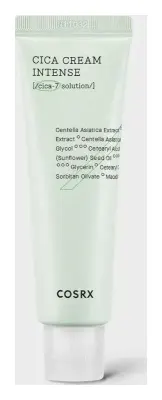 COSRX Pure Fit Cica Cream IntenseAmazon
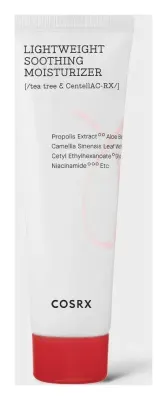 COSRX AC Collection Lightweight Soothing MoisturizerAmazon
 Dermalogica acne biotic moisturizerAmazon
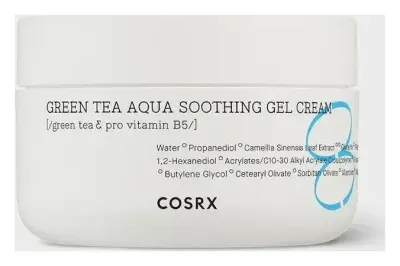 COSRX Hydrium Green Tea Aqua Soothing Gel CreamAmazon
 Dermalogica multivitamin power recovery creamAmazon
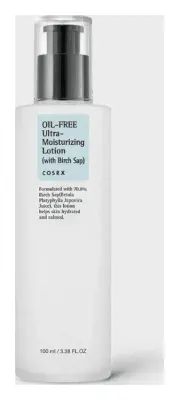 COSRX Oil-Free Ultra-Moisturizing Lotion with Birch SapAmazon
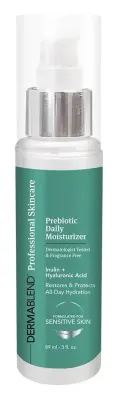 Dermablend Prebiotic Daily MoisturizerAmazon
Skin Barrier Repair Creams & Recovery Jars (2)
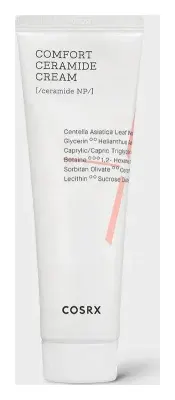
Hydrating Serums, Essences & Ampoules (2)
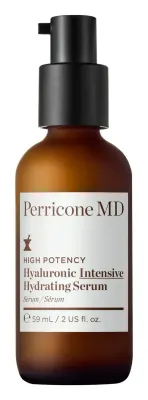
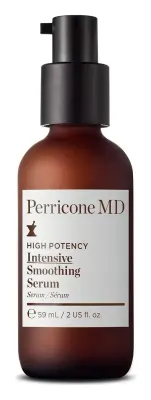
Pimple Patches & Overnight Spot Treatments (1)
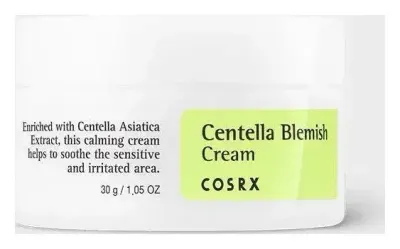
Gel, Foam & Cream Facial Cleansers (1)
Premium Overnight Recovery Packs & Sleeping Facials (1)
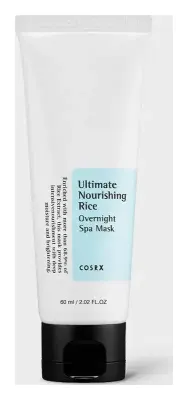
Premium Double-Cleansing Balms & Melting Gels (1)
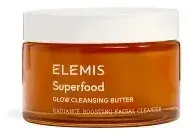
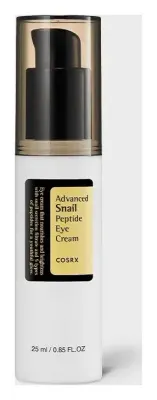
Eye Creams & Under-Eye Patches (1)
Sheet, Hydrogel & Clay Masks (1)

Common questions
What does cetearyl olivate do in skincare?
Cetearyl olivate helps emulsify and stabilize a mixture of oil and water. It can also contribute to the smooth, creamy feel of a lotion.
Is cetearyl olivate an olive oil?
It is an ester made from cetearyl alcohol and fatty acids associated with olive oil. It is not the same thing as pouring olive oil into a moisturizer.
Is cetearyl olivate natural?
It is derived from fatty materials and processed to create an emulsifier. The label alone does not give a complete account of feedstock, processing, or sourcing.
Can cetearyl olivate clog pores?
There is no useful universal pore-clogging number for this ingredient, and the complete formula matters. If you are concerned about breakouts, choose a product with a texture you like and see how your skin responds.