Citrus Limon (Lemon) Peel Oil
What lemon peel oil adds to cosmetics, why fragrance-sensitive skin may skip it, and how sunlight sensitivity depends on processing.
Patch-test firstIn 28 products we cover
We may earn a commission when you buy through links on this page. It never changes what we recommend.
Quick facts
- INCI name
- Citrus Limon Peel Oil
- Origin
- Plant-derived
- Chemical class
- Citrus essential oil
- What it does in a formula
- fragrance, skin conditioning
- Why it is in the formula
- It contributes a citrus scent and may add a sensory note to a cosmetic formula.
What it is
Known by its botanical designation Citrus Limon (Lemon) Peel Oil, this aromatic essential oil is obtained from the outer rind of fresh lemons. Rather than a single isolated compound, it is a complex blend of volatile terpenes used primarily to scent skincare and cosmetics. It is distinctly different from water-based lemon fruit extracts.
Processing matters. Cold-pressed citrus peel oils may contain furocoumarins, including bergapten, while distilled or furocoumarin-reduced versions can have a different profile. That is why a blanket claim that every lemon-derived ingredient has the same sunlight effect would be misleading. A consumer label usually does not tell you every detail of the oil’s production.
What it does
- Adds scent. Its main job is to give a formula a bright citrus aroma.
- Changes the sensory experience. A scented product may smell fresh to one person and too strong to another.
- Contributes a complex plant oil. It is a mixture, so it should not be described as if it were a single standardized active.
Who it suits
If you avoid fragrance or essential oils, skip products that list lemon peel oil. Essential oils can cause irritation or allergic contact dermatitis in some people, and fragrance-sensitive users may prefer an unscented formula. Lemon peel oil is also not a substitute for sunscreen or a sun-protection step.
The sunlight issue is specific to some citrus peel oils and depends on processing and composition. Some cold-pressed grades may be phototoxic because of furocoumarins; reduced or distilled grades can differ. If the product is leave-on and you are unsure about its grade, choosing a different formula is a reasonable option. For a skin condition or repeated rash, consult a dermatologist rather than trying to diagnose the cause from one ingredient name.
What to pair it with, and what not to
It does not need an active partner. Avoid combining a potentially phototoxic oil with unprotected sun exposure, and follow the product’s directions. For context on scent ingredients, see fragrance and essential oils. Choose a fragrance-free product if scent is not worth the tradeoff for you.
Skin Realist check: A lemony scent can be charming. Your routine is not obliged to smell like a fruit bowl.
Quick picks with Citrus Limon (Lemon) Peel Oil
Brand lists it for sensitive skin
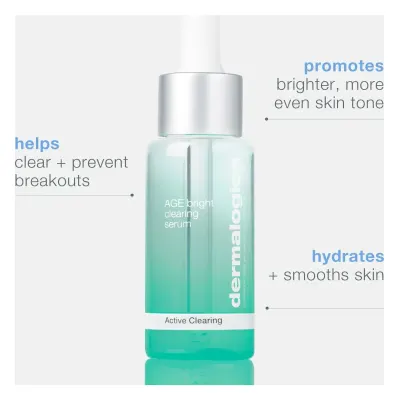
Dermalogica age bright clearing serum
Salicylic acid 2.0%, niacinamide, white shiitake mushroom and Resurrection Plant phytoactives · oily, dry, combination, sensitive, normal skin · scented
AmazonBrand lists it for oily skin
Dermalogica antioxidant hydramist
Pea extract, rose extract, clove extract, and antioxidant support · dry, oily, combination, sensitive, normal skin · scented
AmazonBrand lists it for dry skin
Dermalogica intensive moisture cleanser
Ceramide NP, phytosterols, shea butter, murumuru seed butter, and conditioning oils · dry, normal skin · scented
Amazon


All 28 products with Citrus Limon (Lemon) Peel Oil
Daily Moisturizers & Water Gel Creams (7)
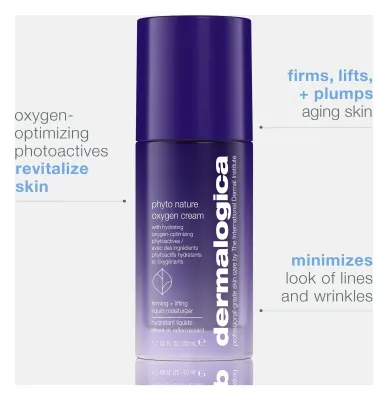 Dermalogica phyto nature oxygen creamAmazon
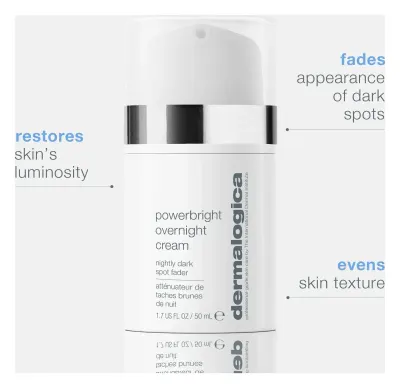 Dermalogica powerbright overnight creamAmazon
 Elemis ULTRA SMART Pro-Collagen Day CreamAmazon
 Dermalogica acne biotic moisturizerAmazon
 Dermalogica multivitamin power recovery creamAmazon
 Dermalogica pro-collagen banking water creamAmazon
 Elemis ULTRA SMART Pro-Collagen Night GeniusAmazon
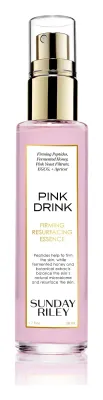
Hydrating Toners, Essence Waters & Face Mists (4)
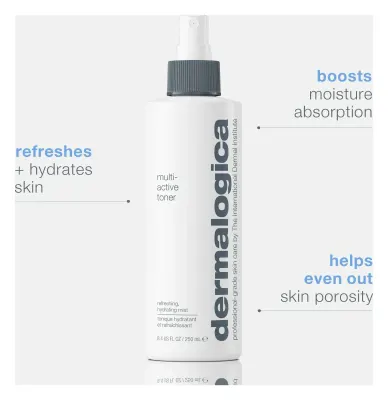

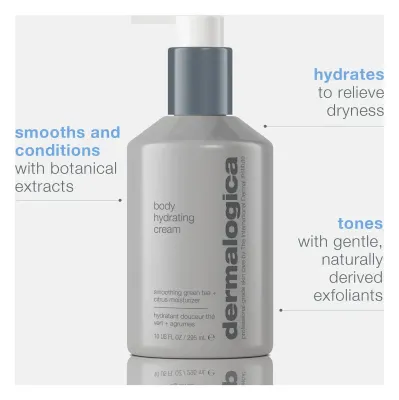
Body Creams, Butters & Body Oils (4)
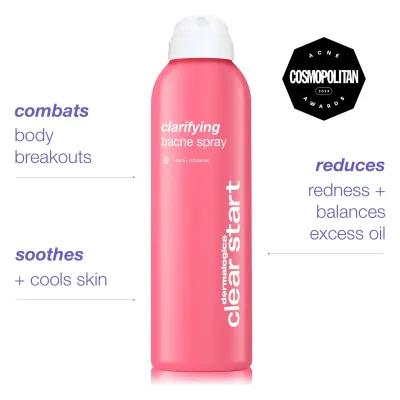
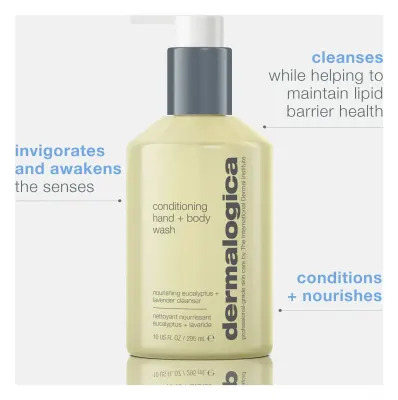
Gel, Foam & Cream Facial Cleansers (3)
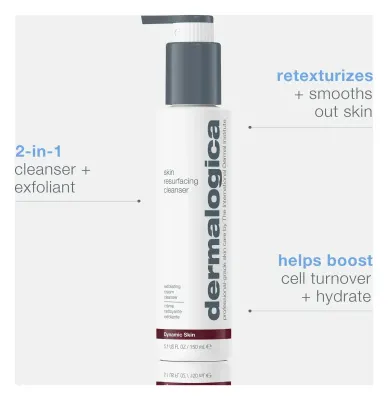
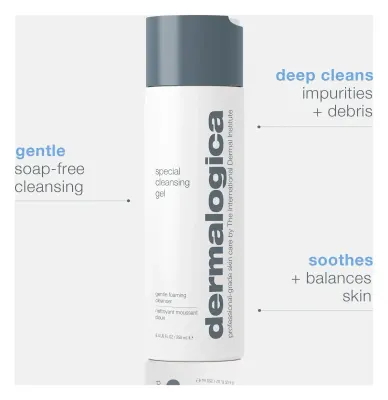
Physical & Enzyme Face Exfoliants (2)
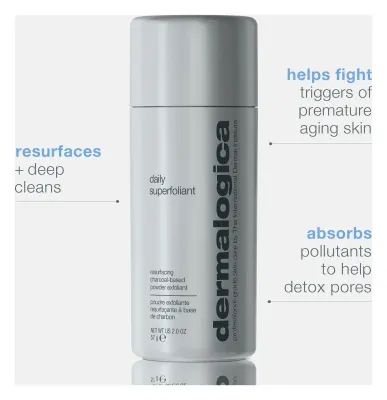
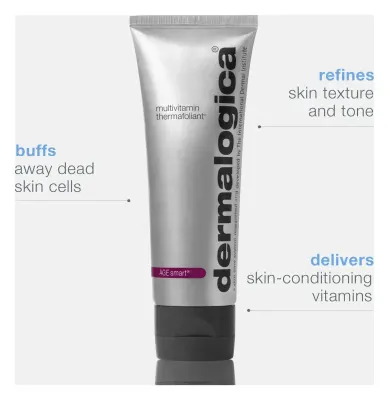
Hydrating Serums, Essences & Ampoules (2)


Pimple Patches & Overnight Spot Treatments (1)
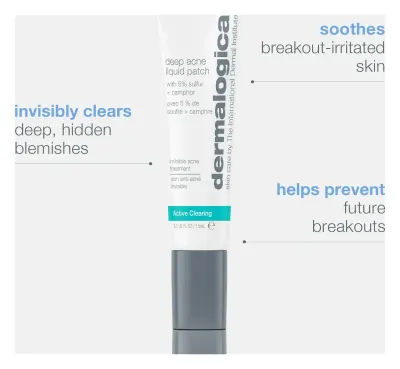
Dermatological Acne & Chemical Exfoliating Liquids (1)
Eye Creams & Under-Eye Patches (1)

Targeted Vitamin C & Brightening Correctors (1)

Cream & Gel Treatment Masks (1)

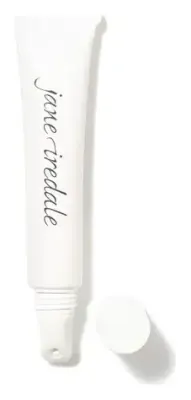
Intensive Lip Recovery Masks & Tinted Balms (1)
Common questions
Is lemon peel oil phototoxic?
Some cold-pressed citrus peel oils can contain furocoumarins that increase skin's sensitivity to sunlight. The risk depends on how the oil was made and whether it is a furocoumarin-reduced grade; do not assume every lemon extract has the same properties.
Is lemon peel oil a fragrance ingredient?
Yes. It is an aromatic oil from lemon peel and is used mainly to give products a citrus scent. People who choose to avoid fragrance may prefer products without it.
Can lemon peel oil irritate skin?
Essential oils can cause irritation or allergic contact dermatitis in some people. If you know citrus oils bother you, avoid products listing them and ask a dermatologist about repeated reactions.
Is lemon peel oil the same as lemon extract?
No. Oil and fruit or peel extracts are different cosmetic ingredients made from different fractions of the plant. The oil's fragrance and possible sunlight-sensitivity concerns should not automatically be applied to every lemon extract.