Coco-Caprylate/Caprate
What coco-caprylate and coco-caprylate/caprate do as lightweight emollient esters, and how their label names relate.
Extremely safeIn 29 products we cover
We may earn a commission when you buy through links on this page. It never changes what we recommend.
Quick facts
- INCI name
- Coco-Caprylate/Caprate
- Origin
- Plant-derived or Synthetic
- Chemical class
- Fatty acid ester
- What it does in a formula
- emollient, skin conditioning, solvent
- Why it is in the formula
- Used to soften skin and give a product smooth slip without the feel of a heavy oil.
What it is
Despite starting with fatty acids sourced from coconuts, coco-caprylate (along with coco-caprylate/caprate) is an engineered emollient ester rather than raw coconut oil. Formulators include it in lightweight creams and makeup to provide a silky, non-greasy glide. The exact feedstock sources and manufacturing pathways vary between cosmetic ingredient suppliers.
The names are similar, but not identical. Coco-caprylate/caprate includes both caprylic and capric fatty-acid components, while coco-caprylate is a closely related ester. Both can show up in moisturizers, primers, sunscreens, and makeup. They are sometimes described as lightweight alternatives to silicone-based emollients, but they are chemically different from silicones and do not guarantee the same feel in every formula.
What it does
- Softens skin. The ester acts as an emollient and leaves a smooth surface feel.
- Improves spread. It can help a cream, lotion, or makeup glide across skin.
- Adds lightweight slip. Some formulas use it for a less heavy or less oily finish.
- Supports the formula. It is a helper ingredient, not the reason to buy a product.
Who it suits
If you like a smooth, light emollient feel, a product with coco-caprylate or coco-caprylate/caprate may appeal. But an ingredient’s name cannot predict the exact finish; the complete product and how much you apply matter. If you prefer a richer balm or a very powdery finish, this may not be the texture you want.
Do not use internet comedogenicity rankings as a guarantee that an ester will or will not clog pores. Those ratings are not reliable predictors for a finished formula or an individual. If you are breakout-prone, introduce one new leave-on product at a time and assess the whole product. Stop if it causes persistent irritation.
What to pair it with, and what not to
These esters can sit in the same formula as humectants such as glycerin or richer emollients. They do not need to be layered as a separate oil step. Choose by the product’s texture and use it as directed.
Skin Realist check: A lighter-feeling emollient can make a formula pleasant. It does not need a silicone rivalry to earn its place.
How it appears on labels: Coco-Caprylate/Caprate; Coco-Caprylate
Quick picks with Coco-Caprylate/Caprate
Scent-free, no patch-test flags on the label
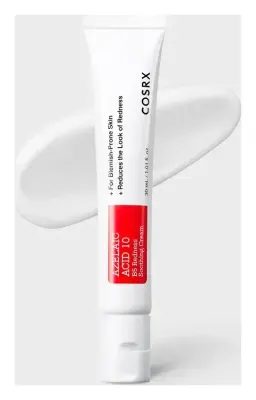
COSRX Azelaic Acid 10 B5 Redness Soothing Cream
Azelaic Acid 10% · scent-free label
AmazonBrand lists it for sensitive skin
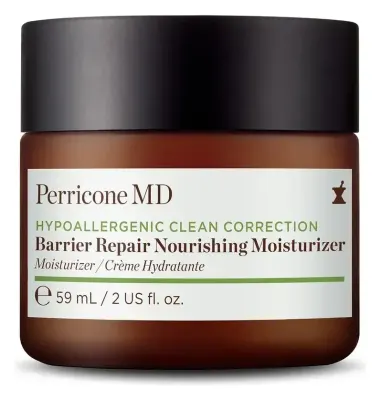
Perricone MD Hypoallergenic Clean Correction Barrier Repair Nourishing Moisturizer
Peptides, ceramides, and mushroom extract · sensitive skin · scent-free label
AmazonBrand lists it for oily skin
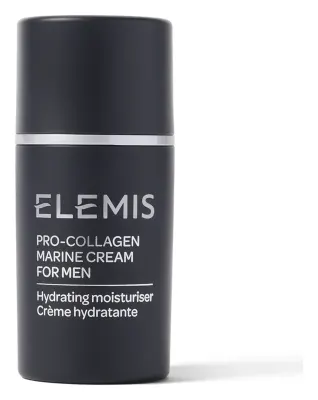
Elemis Pro-Collagen Marine Cream for Men
Padina pavonica, ginkgo biloba, and wheat germ oil · combination, dry, normal, oily skin · scented
Amazon
All 29 products with Coco-Caprylate/Caprate
Daily Moisturizers & Water Gel Creams (6)
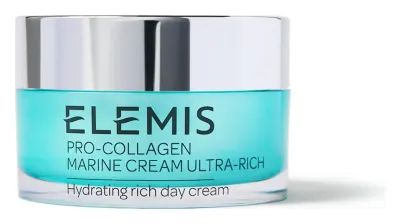


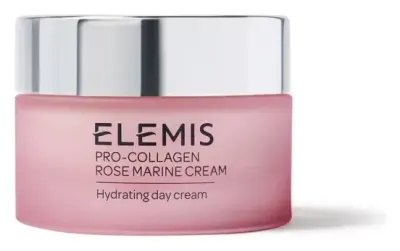
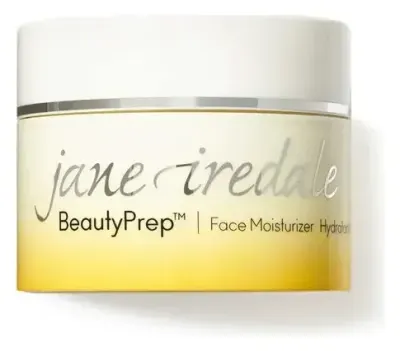
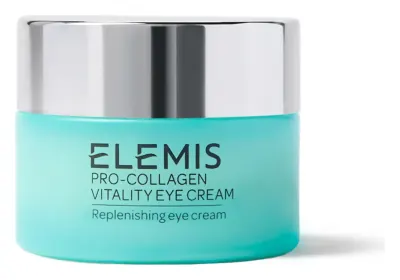
Eye Creams & Under-Eye Patches (3)

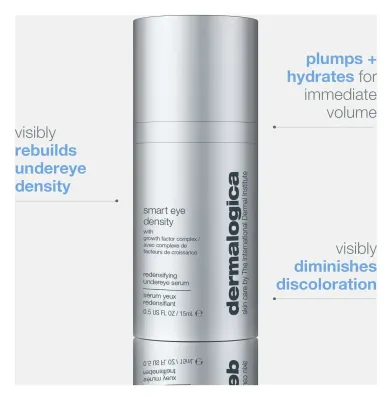
Hydrating Serums, Essences & Ampoules (3)
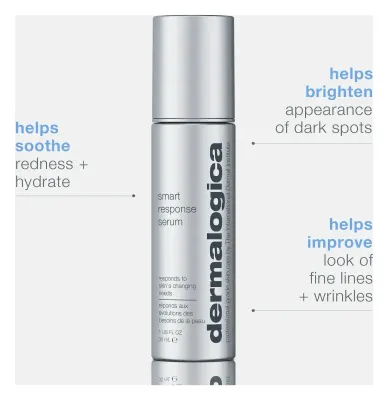
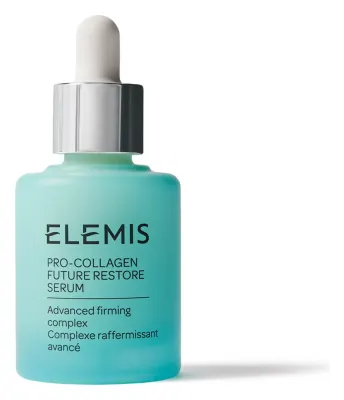

Skin Barrier Repair Creams & Recovery Jars (2)
Daily Sunscreens & SPF Moisturizers (2)
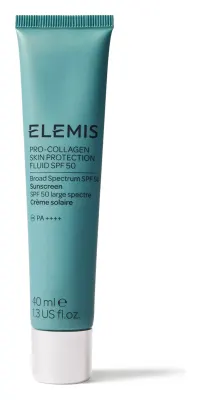
Targeted Vitamin C & Brightening Correctors (2)
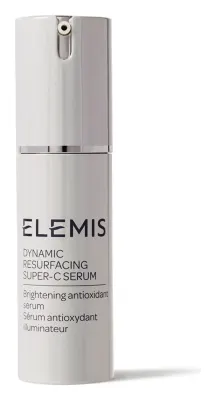
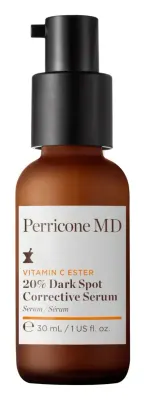
Body Creams, Butters & Body Oils (2)

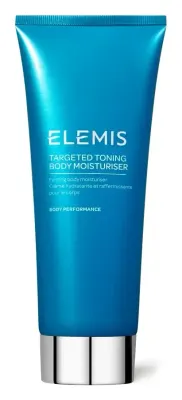
Face Oils & Treatment Oils (2)
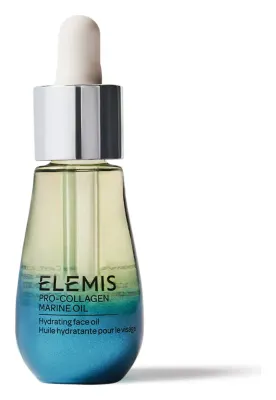
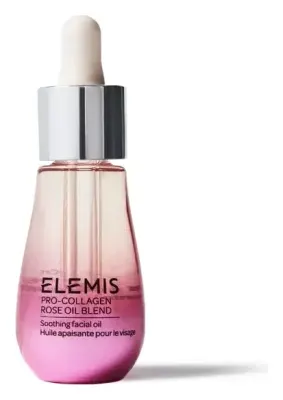
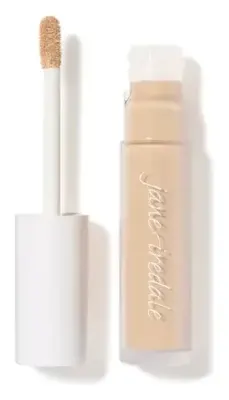
High-Definition Camouflage Concealers (2)
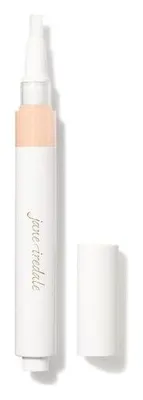
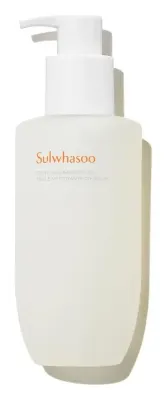
Premium Double-Cleansing Balms & Melting Gels (1)
Intensive Lip Recovery Masks & Tinted Balms (1)
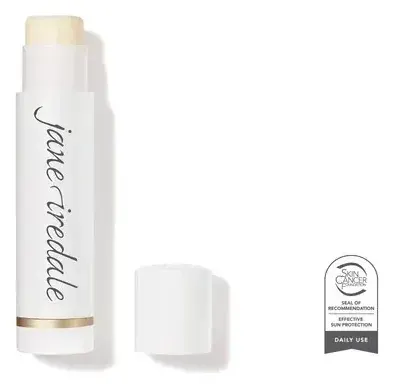
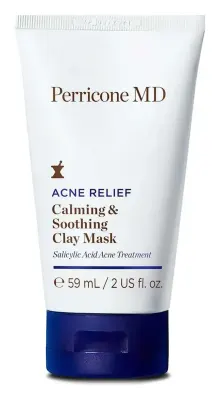
Sheet, Hydrogel & Clay Masks (1)
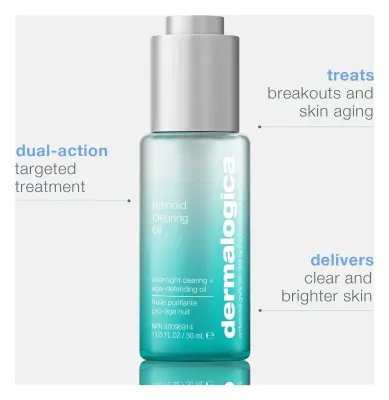
Anti-Aging & Retinoid Serums (1)
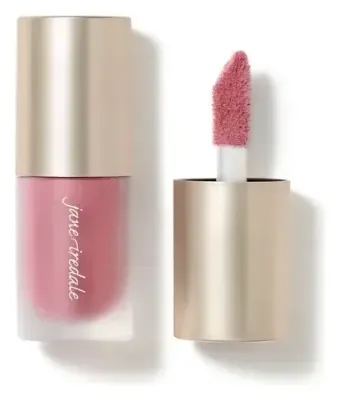
Blush, Bronzers & Highlighters (1)
Common questions
What is coco-caprylate/caprate in skincare?
It is an emollient ester made from fatty acids and an alcohol. It helps soften skin and improve the spread of creams, makeup, and other cosmetics.
Is coco-caprylate the same as coco-caprylate/caprate?
They are closely related cosmetic ester names and are grouped here because both appear on labels. Coco-caprylate/caprate includes capric as well as caprylic fatty-acid components.
Is coco-caprylate a silicone?
No. It is an ester, although it may be used in products marketed as silicone alternatives because it can provide smooth slip. The overall formula determines the feel.
Is coco-caprylate comedogenic?
Comedogenic ratings are unreliable and cannot predict how a finished product will act on your skin. If you are breakout-prone, introduce the product cautiously and judge the complete formula.