Eugenol
What eugenol does as a fragrance ingredient, how it can appear on labels, and what fragrance-conscious shoppers should know.
We may earn a commission when you buy through links on this page. It never changes what we recommend.
Quick facts
- INCI name
- Eugenol
- CAS number
- 97-53-0
- Origin
- Plant-derived or Synthetic
- Chemical class
- Aromatic phenylpropanoid
- What it does in a formula
- perfuming
- Why it is in the formula
- It contributes a warm, spicy fragrance note, either as a fragrance material or as a component of an aromatic extract.
- Regulatory notes
- Eugenol is among the fragrance allergens subject to ingredient-label disclosure requirements under EU cosmetics rules above specified levels.
What it is
Under international cosmetics labeling regulations, eugenol is a designated fragrance allergen that must be listed individually on ingredient decks above set concentrations. It is a naturally occurring aromatic compound found in clove oil and other plants, and is also synthesized for fragrance blends. Skincare products include it strictly for scent rather than hydration or treatment benefits. Identifying eugenol helps allergic consumers check formulas, even though it does not describe the complete fragrance composition.
What it does
- Adds a fragrance note. Eugenol contributes a warm, spicy, often clove-like aroma to a scent blend.
- Can be part of plant oils. It may enter a formula through an aromatic plant extract or essential oil, not only as a separately added material.
- Helps identify a known trigger. Its label disclosure can help people who already know they need to avoid it. It is a scent ingredient, not a skincare essential.
Who it suits
People who enjoy scented skincare and do not have a known sensitivity to eugenol may be comfortable choosing products that contain it. Someone with a confirmed eugenol allergy should avoid products listing it and follow their clinician’s advice. People avoiding fragrance should skip eugenol, along with other fragrance ingredients such as fragrance and essential oils. There is no reason to include a scent ingredient if you prefer a fragrance-free routine.
In the United States, eugenol may be listed by name or included as part of a fragrance mixture, so a missing standalone line is not proof that a product contains no eugenol. Conversely, seeing the name is not a prediction that every person will react. If a cosmetic repeatedly causes irritation, stop using it and check the full formula. A dermatologist can help investigate persistent or recurring reactions.
What to pair it with, and what not to
Eugenol is used for scent and does not need an active ingredient beside it. If you are building a fragrance-free routine, choose products without eugenol and review the full label for fragrance and essential oils. You do not need to add anything to balance it.
Skin Realist check: Scent is a preference, not a skincare requirement. If your routine works better without perfume, you can leave the fragrance aisle to someone else.
How it appears on labels: Eugenol; Eugenol.
Quick picks with Eugenol
Brand lists it for sensitive skin
Dermalogica antioxidant hydramist
Pea extract, rose extract, clove extract, and antioxidant support · dry, oily, combination, sensitive, normal skin · scented
AmazonBrand lists it for oily skin
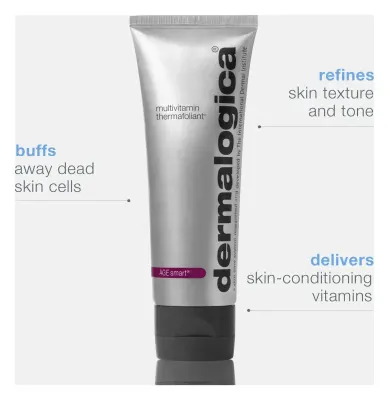
Dermalogica multivitamin thermafoliant
Lactic acid, salicylic acid, retinol, and tetrahexyldecyl ascorbate · oily, dry, combination, sensitive, normal skin · scented
AmazonBrand lists it for dry skin
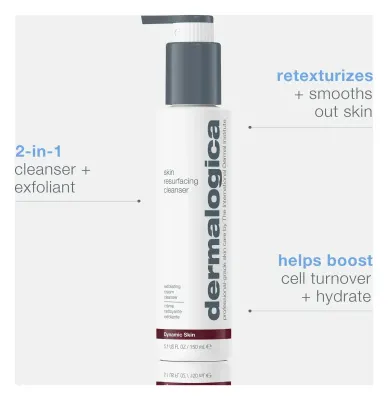
Dermalogica skin resurfacing lactic acid cleanser
Lactic acid, rose flower oil, and antioxidant conditioning · dry, oily, combination, sensitive, normal skin · scented
Amazon

All 16 products with Eugenol
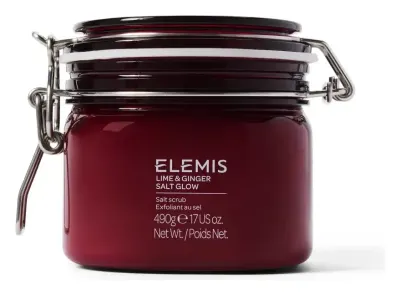
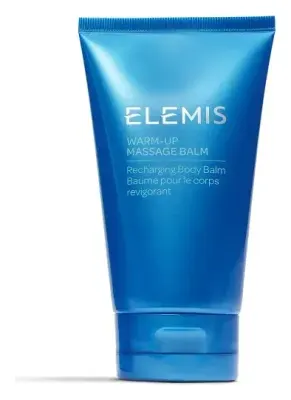
Body Creams, Butters & Body Oils (4)
Anti-Aging & Retinoid Serums (2)


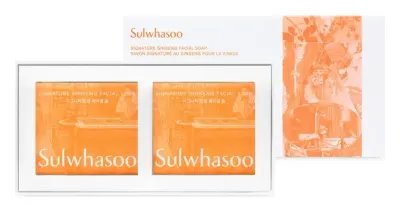
Gel, Foam & Cream Facial Cleansers (2)
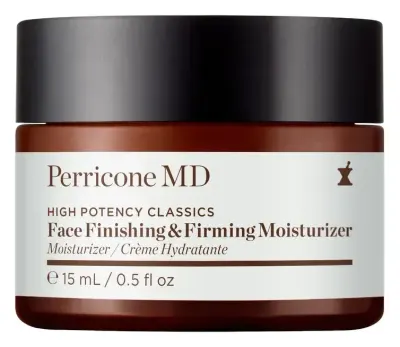
Daily Moisturizers & Water Gel Creams (2)

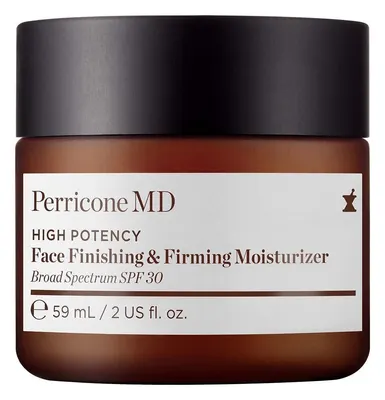
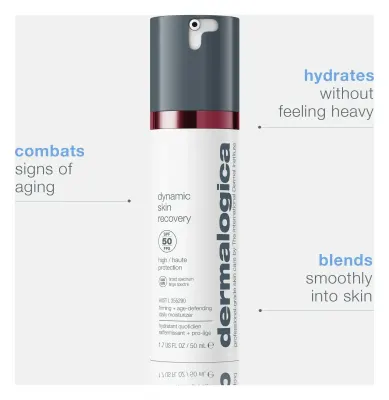
Daily Sunscreens & SPF Moisturizers (2)
Hydrating Toners, Essence Waters & Face Mists (1)
Physical & Enzyme Face Exfoliants (1)
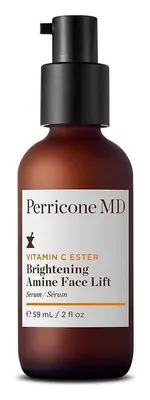
Targeted Vitamin C & Brightening Correctors (1)
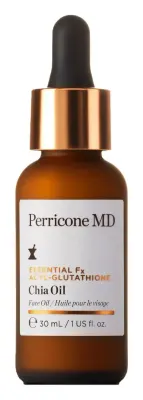
Face Oils & Treatment Oils (1)
Common questions
What is eugenol in skincare?
Eugenol is an aromatic compound used as a fragrance ingredient and found naturally in some essential oils. It can add a warm, spicy or clove-like note to a scented formula.
Is eugenol a fragrance allergen?
Eugenol is a recognized fragrance allergen for some people and is subject to ingredient-label disclosure requirements in the EU above specified levels. That does not mean everyone will react to it.
Can I avoid eugenol by checking the US label?
Not always. A product may list eugenol by name, but fragrance components can also be included under Fragrance or Parfum, depending on labeling rules and the product. Not seeing a separate eugenol line does not prove that no fragrance component is present.
Should I avoid eugenol if I do not want fragrance?
Yes, if you are choosing to avoid fragrance, skip products that list eugenol and check the rest of the label for other fragrance materials. The ingredient adds scent and is not needed for basic skincare.