Hydroxyphenyl Propamidobenzoic Acid
What hydroxyphenyl propamidobenzoic acid does in skincare, how to interpret its active-sounding name, and what evidence to expect.
Extremely safeIn 7 products we cover
We may earn a commission when you buy through links on this page. It never changes what we recommend.
Quick facts
- INCI name
- Hydroxyphenyl Propamidobenzoic Acid
- Origin
- Synthetic
- Chemical class
- Synthetic aromatic amide acid
- What it does in a formula
- skin conditioning, soothing
- Why it is in the formula
- It is used as a skin-conditioning ingredient in formulas intended to support a comfortable feel.
What it is
Despite being structurally modeled after the soothing avenanthramides found in oats, hydroxyphenyl propamidobenzoic acid is a lab-synthesized compound rather than whole oat flour or an oat kernel extract. Formulators incorporate this skin-conditioning agent into calming creams and lotions to enhance skin comfort. While its chemical title sounds like a harsh exfoliant, it operates as a gentle comfort aid whose effects depend on formula design.
What it does
- Conditions the skin. It is included to support a comfortable, conditioned feel in the finished product.
- Supports product positioning. It may appear in formulas with soothing or calming themes, but that does not establish a medical effect.
- Plays a supporting role. It is not usually the main reason to choose a product and should not be treated as a treatment for a skin condition.
Who it suits
This ingredient may be found in moisturizers and other leave-on products intended to feel comfortable on skin. Whether a formula suits you depends on all of its ingredients and its texture, not this single compound. If you have sensitive skin, introduce a new product carefully and check the full label for ingredients you already know do not agree with you. Stop using a product if persistent irritation develops.
Evidence for a specific topical cosmetic effect should be kept in proportion to what has been studied. An active-sounding name does not guarantee a visible change, and cosmetic wording should not be read as a promise to treat redness, irritation, or another medical condition. If you are dealing with ongoing symptoms, consult a dermatologist. This ingredient is a small part of a formula, not a substitute for professional care.
What to pair it with, and what not to
There is no special active it must be paired with. It can be used in a moisturizer alongside common humectants such as glycerin or panthenol. Choose the full formula for its texture and intended cosmetic use.
Skin Realist check: A long scientific name can make a small supporting ingredient seem like the whole plot. Let the finished formula keep its proper scale.
Quick picks with Hydroxyphenyl Propamidobenzoic Acid
Scent-free, no patch-test flags on the label
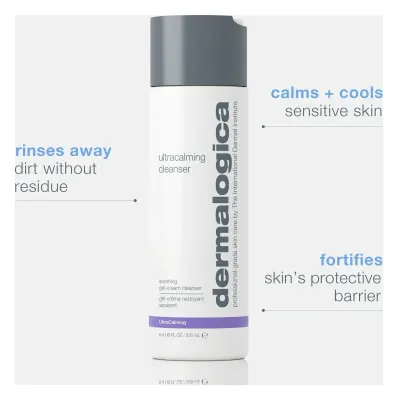
Dermalogica ultracalming cleanser
Panthenol, cucumber fruit extract, raspberry fruit extract · normal, dry, sensitive skin · scent-free label
AmazonBrand lists it for sensitive skin
Perricone MD High Potency Triple Retinol Renewal Serum
Triple retinol blend, coenzyme Q10, and beta-carotene · oily, dry, combination, sensitive, normal skin · scent-free label
AmazonBrand lists it for oily skin
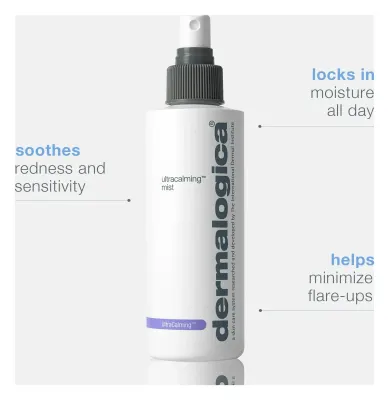
Dermalogica ultracalming mist
UltraCalming Complex with oat, aloe and botanicals · oily, dry, combination, sensitive, normal skin · scent-free label
Amazon

All 7 products with Hydroxyphenyl Propamidobenzoic Acid
Anti-Aging & Retinoid Serums (2)

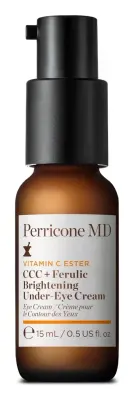
Eye Creams & Under-Eye Patches (2)

Gel, Foam & Cream Facial Cleansers (1)
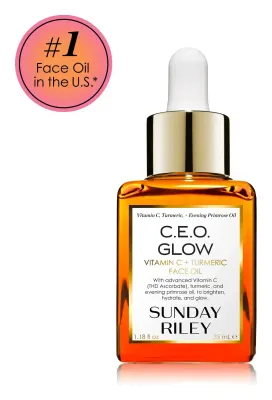
Face Oils & Treatment Oils (1)
Hydrating Toners, Essence Waters & Face Mists (1)
Common questions
What is hydroxyphenyl propamidobenzoic acid?
It is a synthetic cosmetic ingredient with a long chemical name, used as a skin-conditioning component. It is also associated with the name dihydroavenanthramide D in chemical databases.
What does hydroxyphenyl propamidobenzoic acid do?
It is included in cosmetics for skin conditioning and a comfortable feel. It is not a broad-spectrum treatment, and the ingredient name alone does not prove a particular visible result.
Is hydroxyphenyl propamidobenzoic acid the same as oats?
No. Its name and chemical structure may be associated with avenanthramide compounds found in oats, but the cosmetic ingredient is not simply oat flour or oat extract. The label refers to a defined processed ingredient.
Is this ingredient a preservative?
It is not the primary preservative system in a cosmetic. A water-containing product relies on its full preservation system and packaging to help maintain product quality.