Panthenol (Vitamin B5)
What panthenol does in skincare, why it is a popular hydrating ingredient, who it suits, and what pairs well with it.
Extremely safeIn 82 products we cover
We may earn a commission when you buy through links on this page. It never changes what we recommend.
What it is
Panthenol is a form of vitamin B5 used in skincare, and it is sometimes called provitamin B5 or dexpanthenol. Once applied, it can be converted to pantothenic acid in the skin. You may find it in moisturizers, serums, cleansers, and hair products. Despite the vitamin connection, it is best thought of as a familiar skin-conditioning and hydrating ingredient, not a supplement in a bottle.
Panthenol is common in products designed to leave skin feeling soft and comfortable. It often appears alongside other humectants and emollients, because a balanced formula can do more than one ingredient working alone.
What it does
- Helps attract moisture. Panthenol is a humectant, meaning it helps bind water and support a hydrated feel.
- Conditions the skin. It is included in formulas that aim to leave skin feeling softer and more comfortable.
- Works in everyday products. Its gentle reputation makes it a frequent addition to moisturizers and other routine staples, often alongside multiple skin-conditioning ingredients.
Who it suits
Panthenol is a versatile ingredient that can suit dry, normal, combination, or sensitive-feeling skin, depending on the rest of the product. If you are looking for a hydrating serum or moisturizer, it is a reasonable ingredient to recognize on the label. It is not a requirement, though; glycerin or other moisturizers can also fit a simple routine.
Even a commonly well-tolerated ingredient is not a guarantee that every formula will feel right for you. Look at the full ingredient list if you know you react to a particular fragrance or texture, and patch-test a new product if you are cautious. If your skin has persistent irritation or a diagnosed condition, ask a dermatologist rather than relying on a cosmetic ingredient alone.
What to pair it with, and what not to
Panthenol can be layered with glycerin, hyaluronic acid, ceramides, and moisturizer. It can also sit in a routine with retinol or exfoliating acids, but it does not make overuse of those ingredients consequence-free. Add one new product at a time, use products as directed, and apply sunscreen during the day as directed.
Skin Realist check: Sometimes the most useful step is the one that makes the rest of your routine feel less like a dare.
How it appears on labels: Panthenol; Pantothenic Acid; Dunaliella Salina Extract Panthenol; Calcium Pantothenate
Quick picks with Panthenol
Scent-free, no patch-test flags on the label
COSRX BHA Blackhead Power Liquid
Betaine Salicylate (BHA) · scent-free label
AmazonBrand lists it for sensitive skin
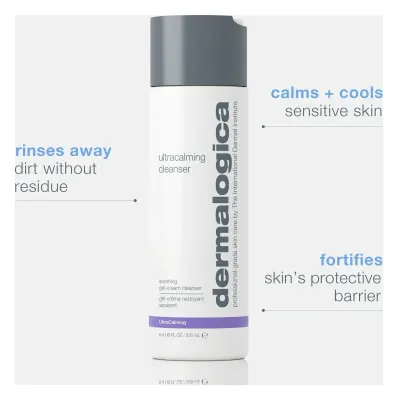
Dermalogica ultracalming cleanser
Panthenol, cucumber fruit extract, raspberry fruit extract · normal, dry, sensitive skin · scent-free label
AmazonBrand lists it for oily skin
Dermalogica age reversal eye complex
Microencapsulated retinol, niacinamide, ash tree bark extract, vitamin C and peptides · oily, dry, combination, sensitive, normal skin · scent-free label
Amazon
All 82 products with Panthenol
Daily Moisturizers & Water Gel Creams (13)
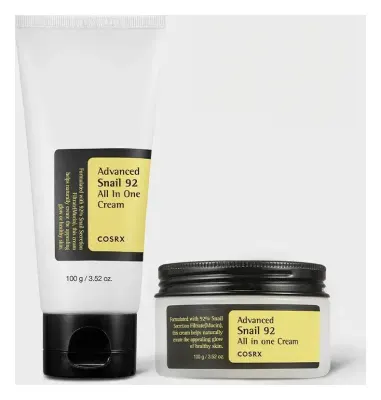 COSRX Advanced Snail 92 All in One CreamAmazon
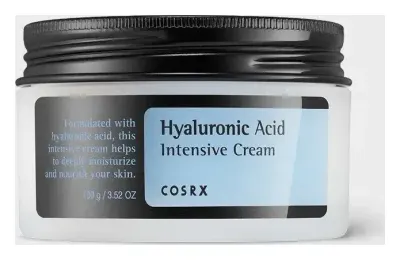 COSRX Hyaluronic Acid Intensive CreamAmazon
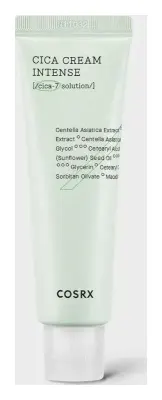 COSRX Pure Fit Cica Cream IntenseAmazon
 Dermalogica skin smoothing cream moisturizerAmazon
 COSRX The Blue Peptide Bakuchiol Plump Bounce CreamAmazon
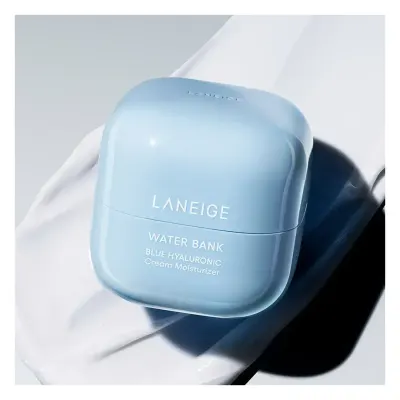 Laneige Water Bank Blue Hyaluronic Cream MoisturizerAmazon
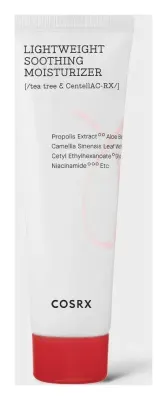 COSRX AC Collection Lightweight Soothing MoisturizerAmazon
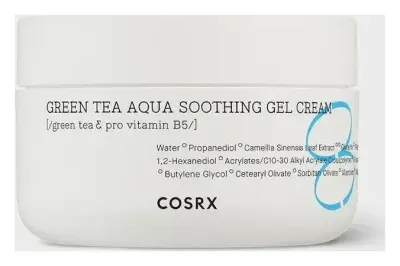 COSRX Hydrium Green Tea Aqua Soothing Gel CreamAmazon
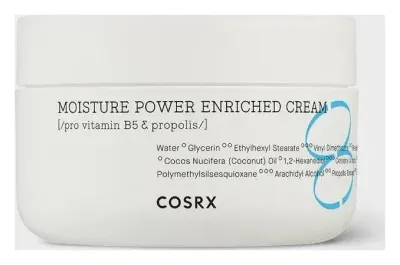 COSRX Hydrium Moisture Power Enriched CreamAmazon
 Dermalogica multivitamin power recovery creamAmazon
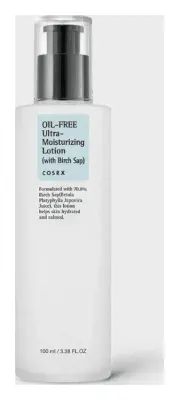 COSRX Oil-Free Ultra-Moisturizing Lotion with Birch SapAmazon
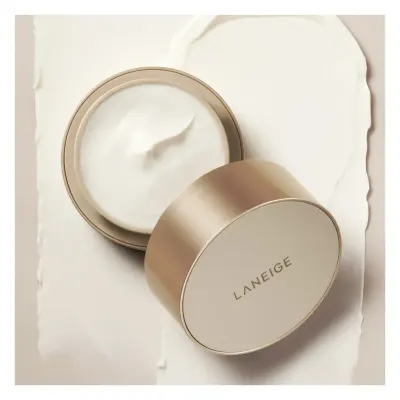 Laneige Perfect Renew 3x Cream AdvancedAmazon
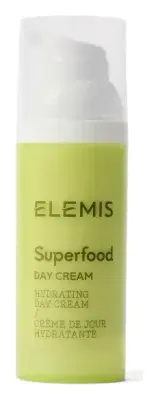 Elemis Superfood Day CreamAmazon
Eye Creams & Under-Eye Patches (12)
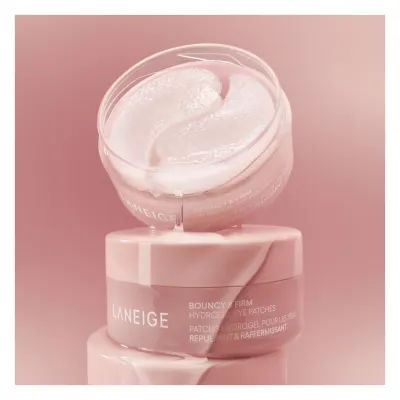 Laneige Bouncy & Firm Hydrogel Eye PatchesAmazon
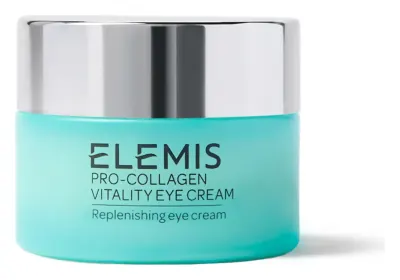 Elemis Pro-Collagen Vitality Eye CreamAmazon
 Dermalogica age reversal eye complexAmazon
 Dermalogica biolumin-c vitamin c eye serumAmazon
 Dermalogica phyto nature lifting eye creamAmazon
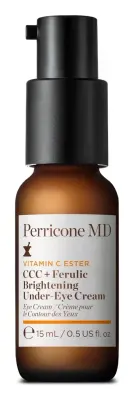 Perricone MD Vitamin C Ester CCC + Ferulic Brightening Under-Eye CreamAmazon
 COSRX 5 PDRN Collagen Vitalizing Hydrogel Eye PatchAmazon
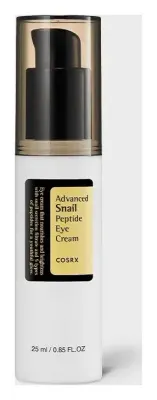 COSRX Advanced Snail Peptide Eye CreamAmazon
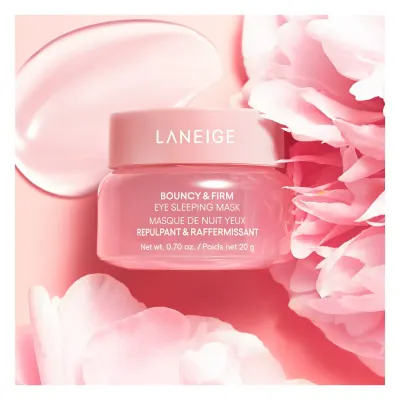 Laneige Bouncy & Firm Eye Sleeping MaskAmazon
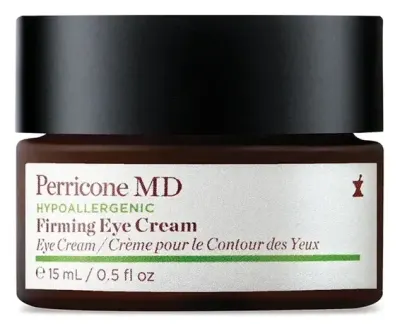 Perricone MD Hypoallergenic Firming Eye CreamAmazon
 Perricone MD Neuropeptide Corrective Brightening Under-Eye CreamAmazon
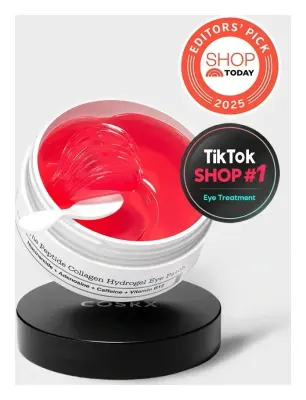 COSRX The Peptide Collagen Hydrogel Eye PatchAmazon
Hydrating Serums, Essences & Ampoules (10)
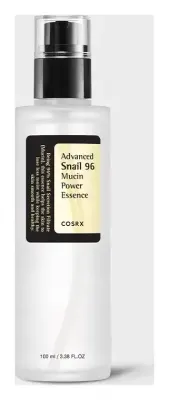 COSRX Advanced Snail 96 Mucin Power EssenceAmazon
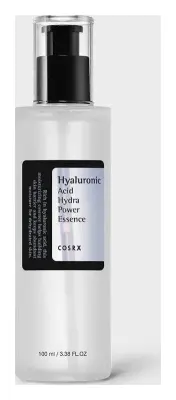 COSRX Hyaluronic Acid Hydra Power EssenceAmazon
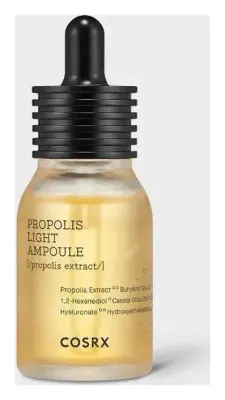 COSRX Full Fit Propolis Light AmpouleAmazon
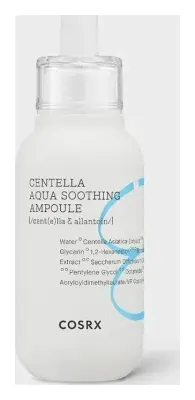 COSRX Hydrium Centella Aqua Soothing AmpouleAmazon
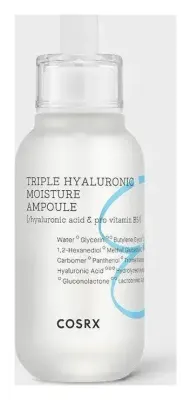 COSRX Hydrium Triple Hyaluronic Moisture AmpouleAmazon
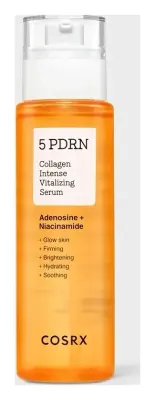 COSRX 5 PDRN Collagen Intense Vitalizing SerumAmazon
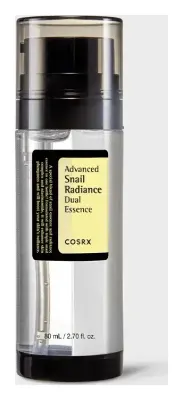 COSRX Advanced Snail Radiance Dual EssenceAmazon
 Dermalogica circular hydration serum with hyaluronic acidAmazon
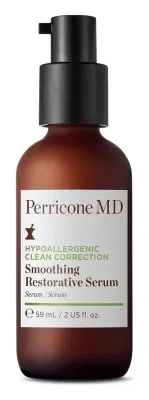 Perricone MD Hypoallergenic Clean Correction Smoothing Restorative SerumAmazon
 Elemis ULTRA SMART Pro-Collagen Complex SerumAmazon
Dermatological Acne & Chemical Exfoliating Liquids (7)
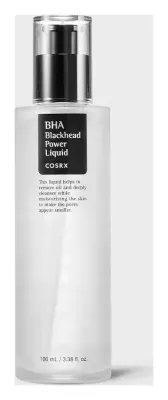 COSRX BHA Blackhead Power LiquidAmazon
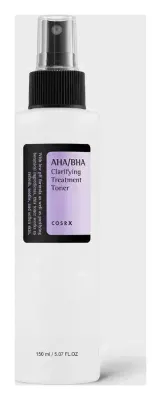 COSRX AHA/BHA Clarifying Treatment TonerAmazon
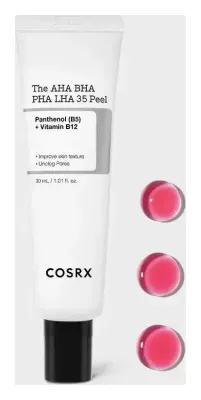 COSRX The AHA BHA PHA LHA 35 PeelAmazon
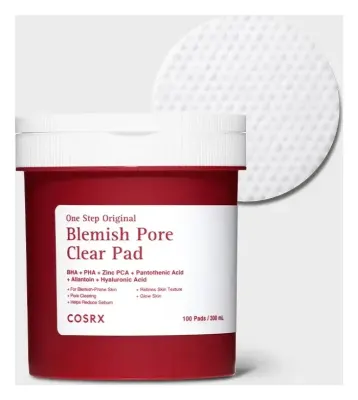 COSRX One Step Original Blemish Pore Clear PadAmazon
 COSRX Refresh AHA BHA Vitamin C Daily TonerAmazon
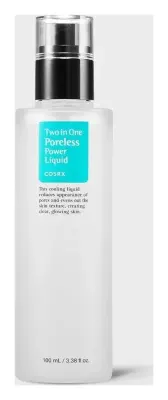 COSRX Two in One Poreless Power LiquidAmazon
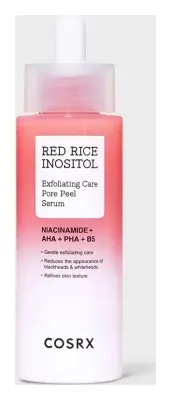 COSRX Red Rice Inositol Exfoliating Care Pore Wash-Off Peel SerumAmazon
Hydrating Toners, Essence Waters & Face Mists (7)
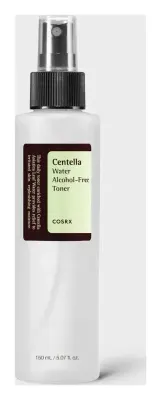 COSRX Centella Water Alcohol-Free TonerAmazon
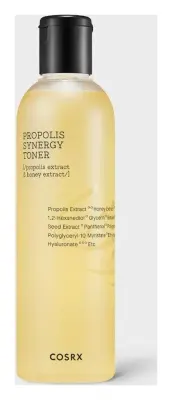 COSRX Full Fit Propolis Synergy TonerAmazon
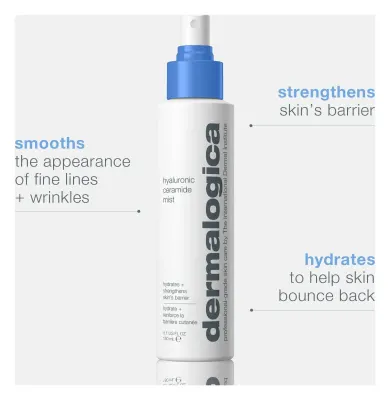 Dermalogica hyaluronic ceramide mistAmazon
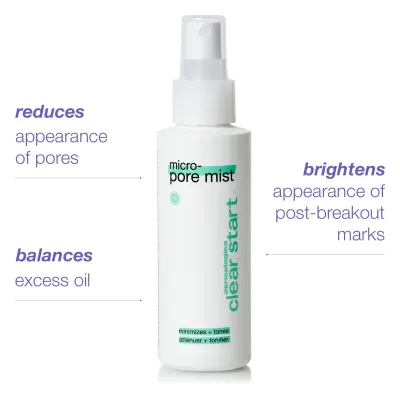 Dermalogica micro-pore mistAmazon
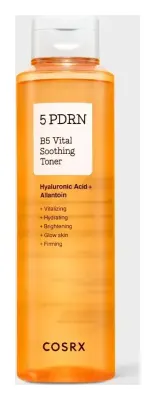 COSRX 5 PDRN B5 Vital Soothing TonerAmazon
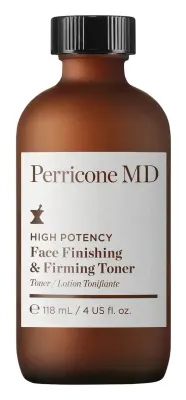 Perricone MD High Potency Face Finishing & Firming TonerAmazon
 COSRX The Ceramide Skin Barrier Moisturizing MistAmazon
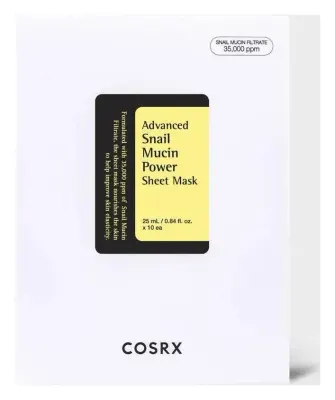
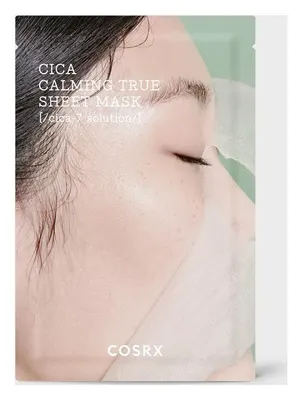
Sheet, Hydrogel & Clay Masks (5)



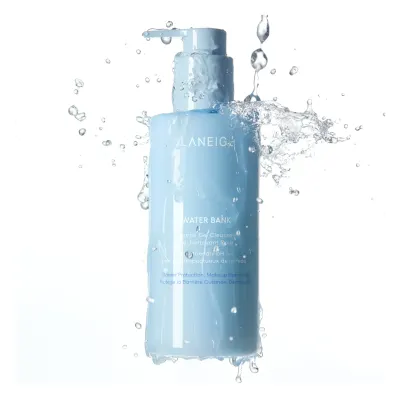
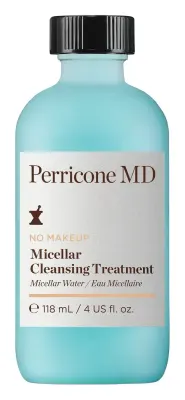
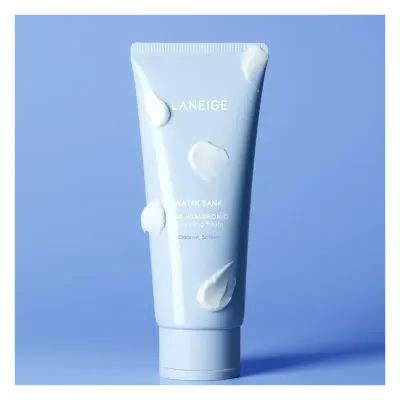
Gel, Foam & Cream Facial Cleansers (4)
Anti-Aging & Retinoid Serums (4)
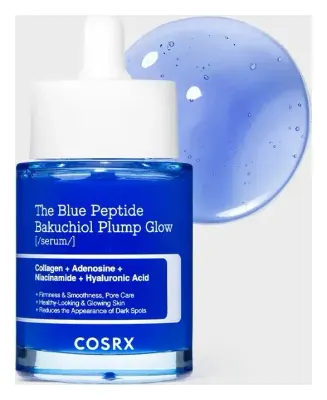



Eye Shadows, Liners, Mascara & Brow Makeup (4)
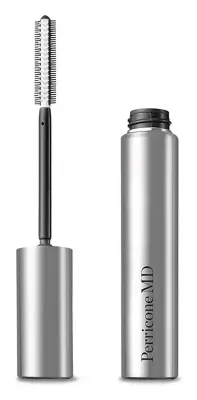
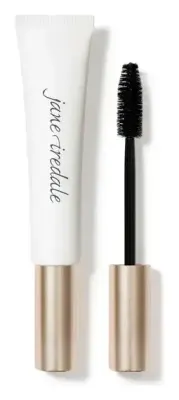
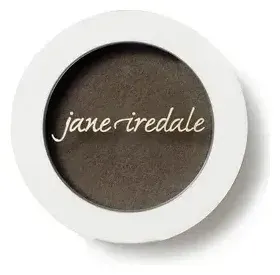
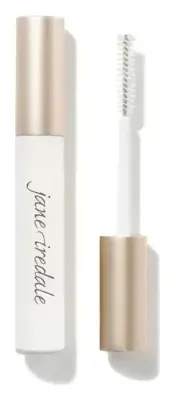
Targeted Vitamin C & Brightening Correctors (3)
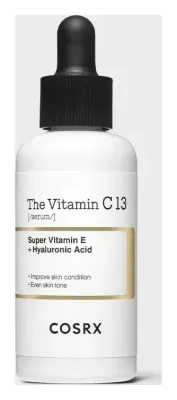
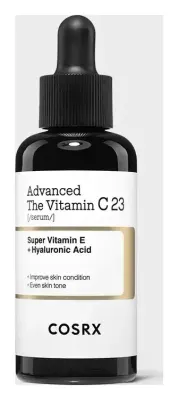
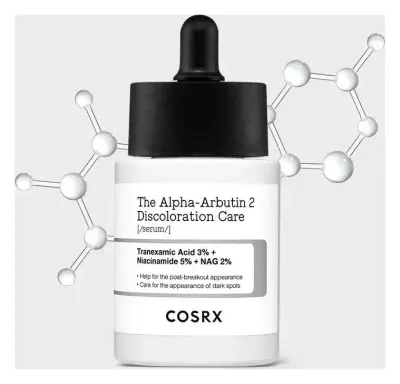
Skin Barrier Repair Creams & Recovery Jars (3)
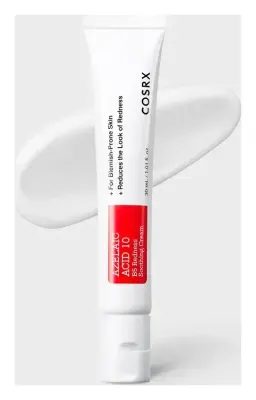

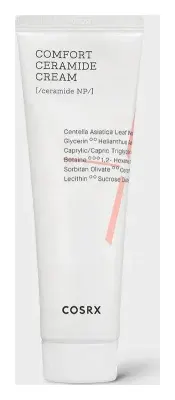
Premium Overnight Recovery Packs & Sleeping Facials (3)
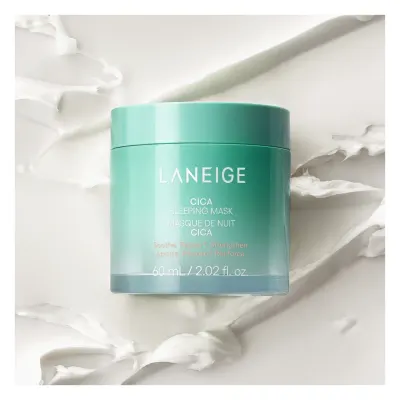

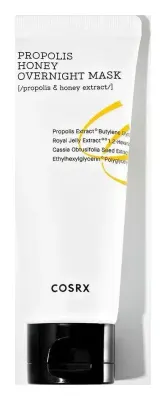
Body Creams, Butters & Body Oils (2)
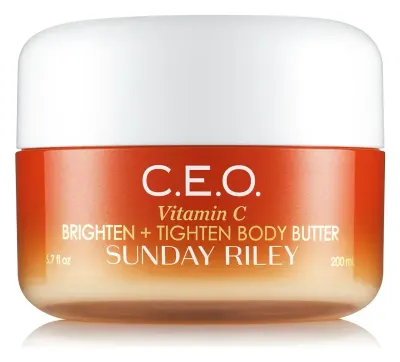
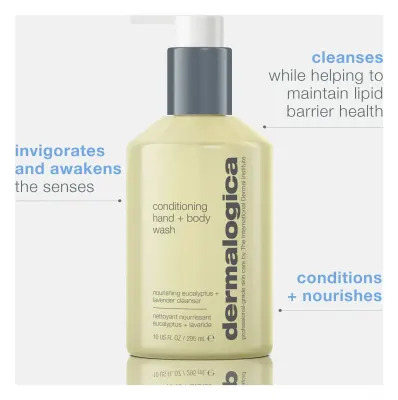
Premium Double-Cleansing Balms & Melting Gels (2)
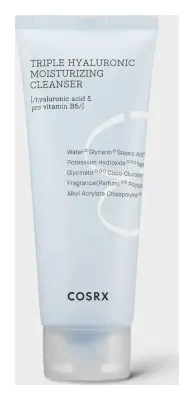
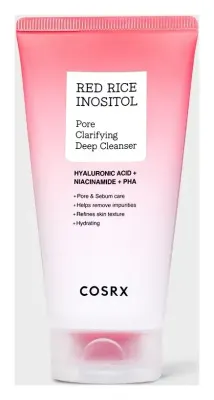
Cream & Gel Treatment Masks (1)

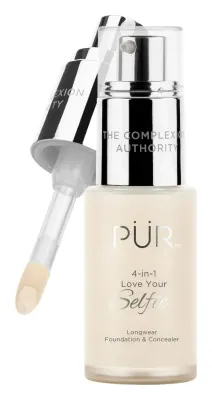
High-Definition Camouflage Concealers (1)
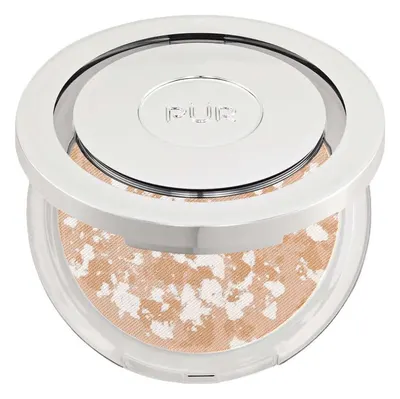
Mineral Pressed Powders & Skin-Nourishing Primers (1)
Common questions
What does panthenol do for skin?
Panthenol, also known as provitamin B5, is a humectant and skin-conditioning ingredient. It helps attract moisture and is commonly used in products intended to leave skin soft and comfortable.
Is panthenol the same as vitamin B5?
Panthenol is a form of vitamin B5 used in skincare. It can be converted to pantothenic acid in skin, and related names such as dexpanthenol may appear on product labels.
Can you use panthenol with retinol?
Yes. Panthenol can be used alongside retinol and may be part of a moisturizing routine. It does not eliminate possible retinol irritation, so introduce retinol gradually and follow directions.
Is panthenol good for sensitive skin?
Panthenol is generally considered a gentle, well-tolerated ingredient, but anyone can react to a product. Check the whole formula and patch-test first if your skin is prone to sensitivity.