Laureth-7
What laureth-7 does as an emulsifier in gel creams and sunscreens, why it appears with polyacrylamide, and the 1,4-dioxane question.
No specific flag recordedIn 10 products we cover
We may earn a commission when you buy through links on this page. It never changes what we recommend.
Quick facts
- INCI name
- Laureth-7
- Origin
- Synthetic
- Chemical class
- Alkyl PEG ether (ethoxylated fatty alcohol)
- What it does in a formula
- emulsifying, surfactant
- Why it is in the formula
- Helps oil and water stay mixed, usually alongside polyacrylamide in gel creams and lotions.
- Regulatory notes
- The Cosmetic Ingredient Review panel concluded alkyl PEG ethers, the family laureth-7 belongs to, are safe as used when formulated to be non-irritating, and said these ingredients should not contain 1,4-dioxane or ethylene oxide.
What is Laureth-7?
Laureth-7 is an emulsifier made from lauryl alcohol, a fatty alcohol, that has been reacted with ethylene oxide. The name tells you its structure: “laur” for the lauryl chain and “eth-7” for an average of seven ethylene oxide units. That gives it one oil-loving end and one water-loving end. Other laureths, such as laureth-4 or laureth-23, differ mainly in the length of that chain, and the safety panel assessed them together as one family.
On the products we cover, laureth-7 almost always appears right next to polyacrylamide, and usually C13-14 isoparaffin too. Every product we cover that lists it also lists polyacrylamide. You’ll find them in gel creams, moisturizers, eye creams and sunscreens.
What does Laureth-7 do?
- Emulsifies. It helps oil and water stay mixed, so the product doesn’t separate.
- Acts as a surfactant. It lowers the tension between oil and water, the same property that lets it help a formula blend evenly.
It’s a helper ingredient. It isn’t there to do anything to your skin.
Who is Laureth-7 for?
It suits most skin types. The safety panel concluded alkyl PEG ethers are safe as used when formulated to be non-irritating.
The question you’ll see online is 1,4-dioxane. It’s a possible byproduct of making ethoxylated ingredients, and the panel said these ingredients shouldn’t contain it or ethylene oxide. Manufacturers can strip it out during processing, but a label alone can’t tell you the level in one product. If you’d rather avoid ethoxylated ingredients, check labels for names ending in “-eth” and for “PEG”.
What to pair Laureth-7 with, and what to avoid
There’s nothing to pair. It works inside the formula with the thickener and oils. If you’re choosing a light moisturizer, the moisturizer guide covers what to look for by skin type.
Quick picks with Laureth-7
Best fragrance-free pick
No scent or sensitivity flags recorded in our glossary
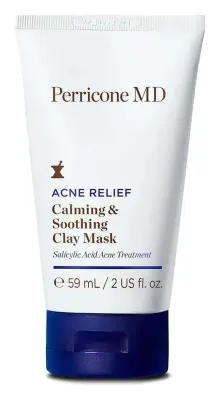
Perricone MD Acne Relief Calming & Soothing Clay Mask
Salicylic Acid 2% · no scent flags recorded
Best for oily skin
Brand lists it for oily skin
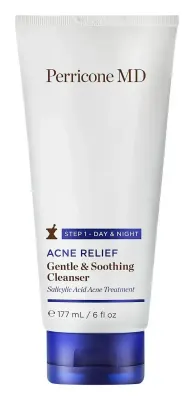
Perricone MD Acne Relief Gentle & Soothing Cleanser
Sucrose, squalane, and glycerin · oily, combination skin · no scent flags recorded
Best with SPF built in
Brand lists SPF 20
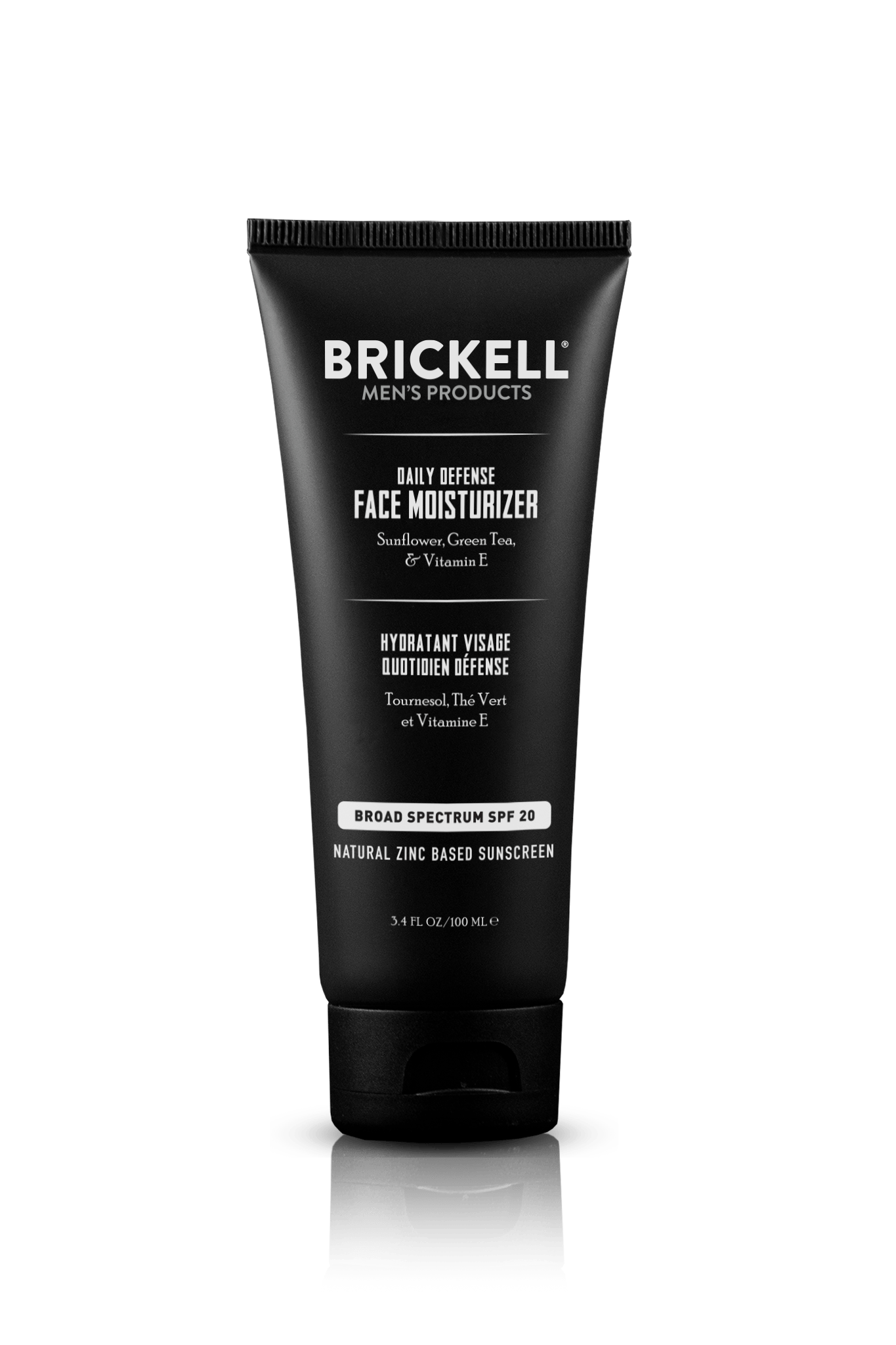
Brickell Daily Defense Face Moisturizer with SPF 20 for Men
oily, dry, combination, sensitive, normal skin · no scent flags recorded
All 10 products with Laureth-7
Daily Moisturizers & Water Gel Creams (3)
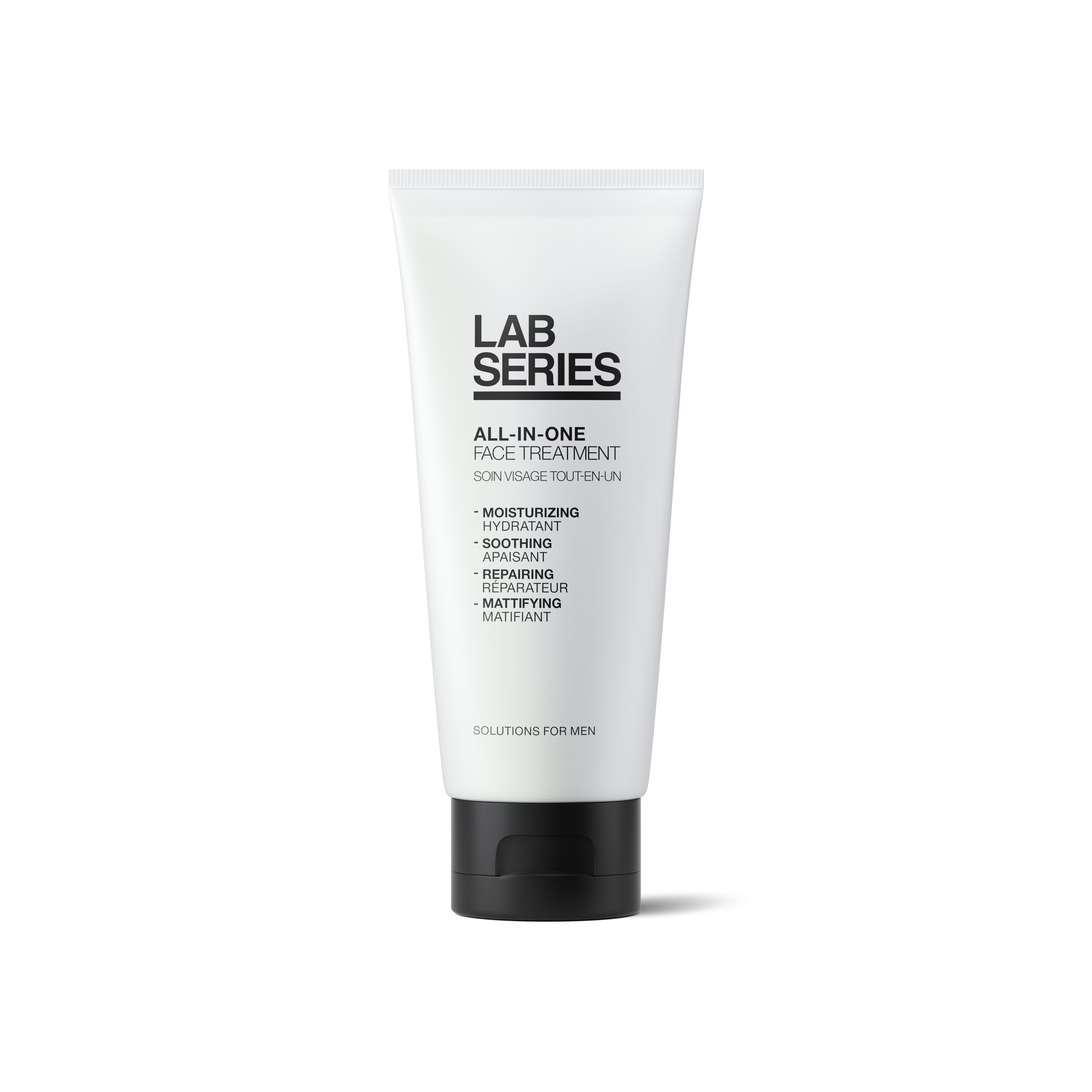
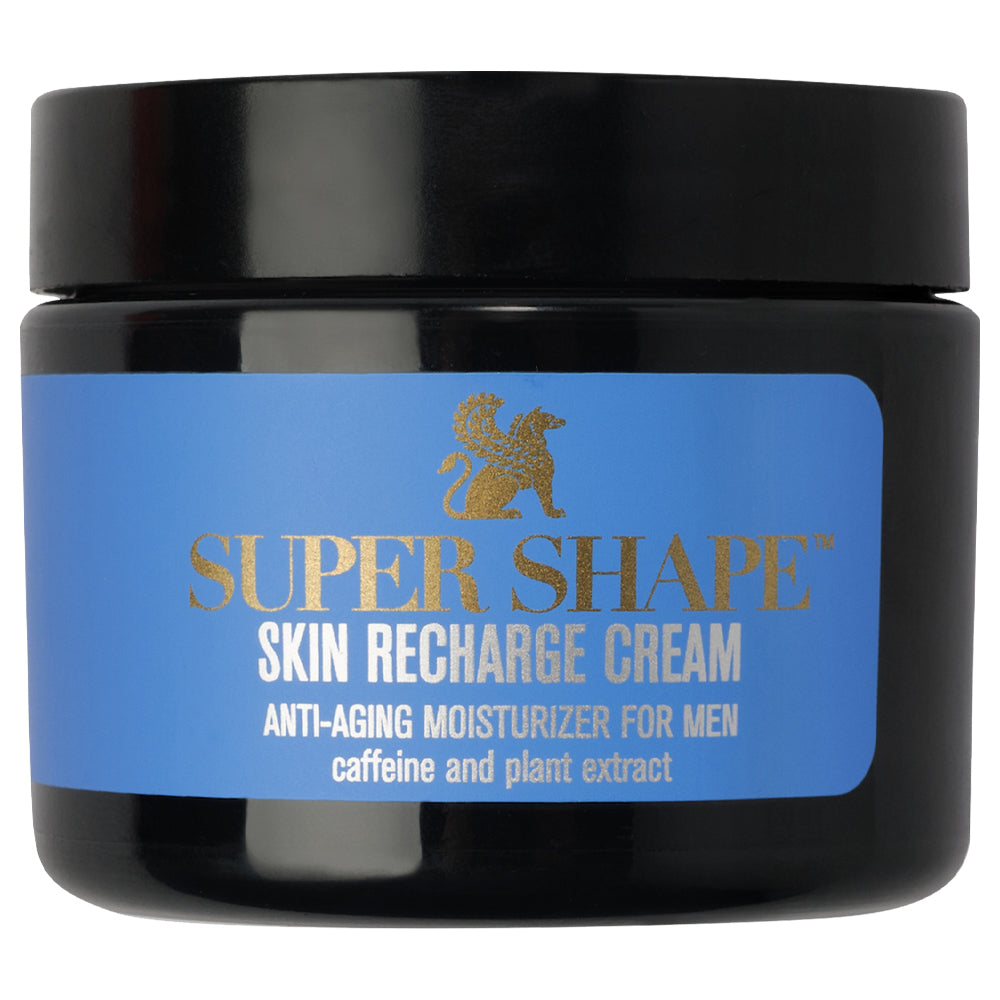
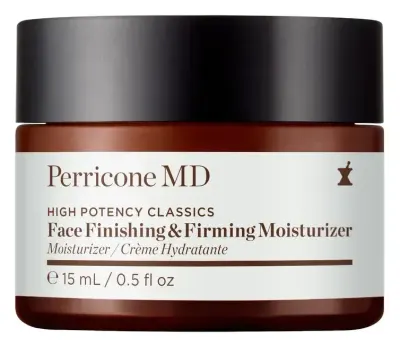
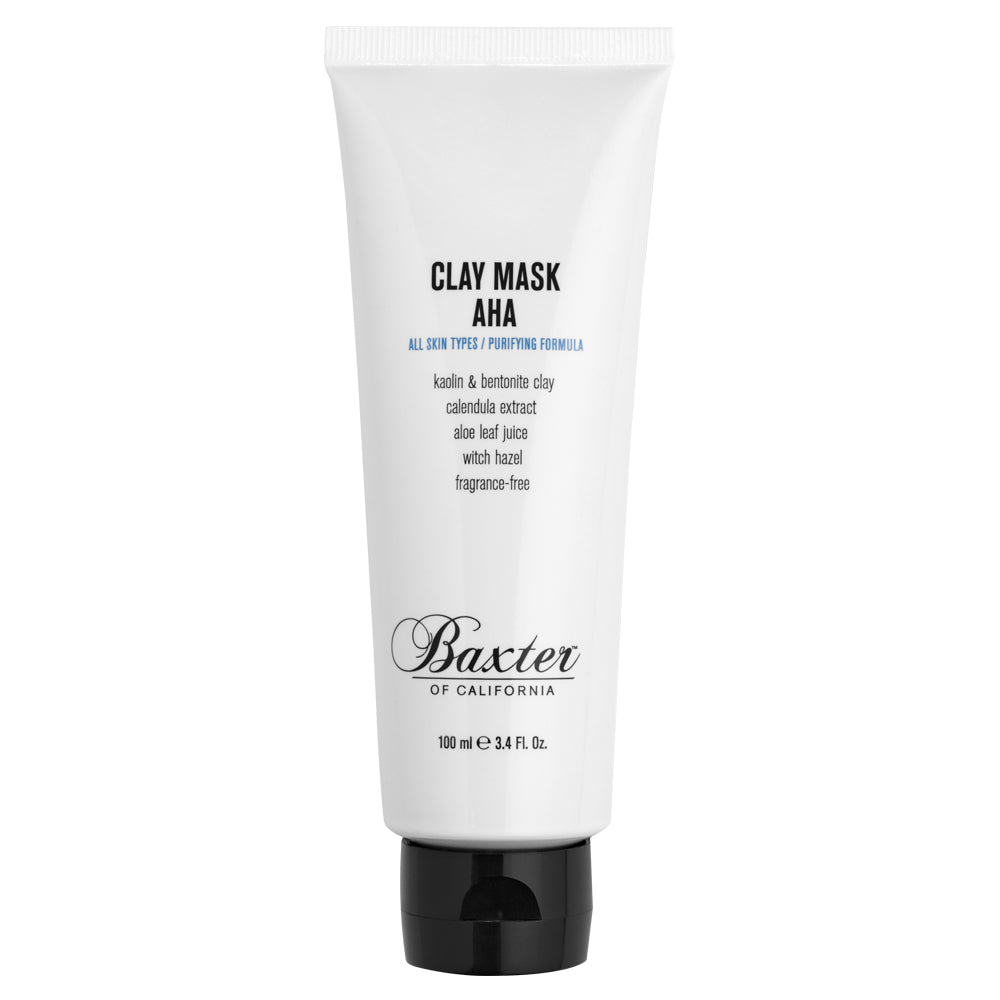
Sheet, Hydrogel & Clay Masks (2)
Gel, Foam & Cream Facial Cleansers (1)
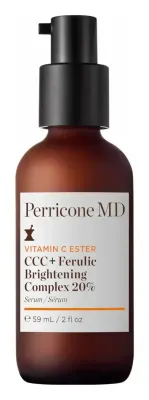
Targeted Vitamin C & Brightening Correctors (1)
Daily Sunscreens & SPF Moisturizers (1)
Eye Creams & Under-Eye Patches (1)
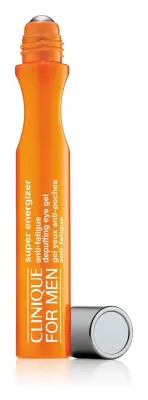
From stores: products with Laureth-7
Mineral Pressed Powders & Skin-Nourishing Primers (1)

Common questions
What is laureth-7?
It's lauryl alcohol, a fatty alcohol, that has been reacted with ethylene oxide so it carries a short water-loving chain, about seven units long. That gives it one oil-loving end and one water-loving end, which is what an emulsifier needs.
Is laureth-7 the same as sodium laureth sulfate?
No. They share a starting point, but sodium laureth sulfate has an extra sulfate group and is a strong cleansing agent. Laureth-7 is mostly used as an emulsifier in leave-on creams.
Does laureth-7 contain 1,4-dioxane?
1,4-dioxane can form as a byproduct when ingredients are made with ethylene oxide. The safety panel said these ingredients should not contain 1,4-dioxane or ethylene oxide, and manufacturers can remove them during processing. A label can't tell you the level in a specific product.
Is laureth-7 safe for skin?
The safety panel concluded alkyl PEG ethers are safe as used when products are formulated to be non-irritating. As with any emulsifier, a reaction is possible, so stop using a product that bothers you.