Polyacrylamide
What polyacrylamide does as a gel thickener in creams and sunscreens, how it differs from acrylamide, and what the safety limit is.
No specific flag recordedIn 10 products we cover
We may earn a commission when you buy through links on this page. It never changes what we recommend.
Quick facts
- INCI name
- Polyacrylamide
- Origin
- Synthetic
- Chemical class
- Synthetic polymer (acrylamide polymer)
- What it does in a formula
- binding, film forming, viscosity controlling
- Why it is in the formula
- Thickens creams and lotions into a smooth gel texture and helps a film stay on skin.
- Regulatory notes
- The Cosmetic Ingredient Review panel concluded polyacrylamide is safe as used when the level of leftover acrylamide monomer in the finished formula is no more than 5 ppm.
What is Polyacrylamide?
Polyacrylamide is a synthetic polymer, a very large molecule built by linking many units of acrylamide together. In cosmetics it’s used as a thickener and film former.
The name sounds like acrylamide, and that’s where the worry usually comes from. Acrylamide, the small starting chemical, is a known neurotoxin in people and caused cancer in animal tests. Polyacrylamide is a different, much larger molecule. The safety question is how much unreacted acrylamide is left over after manufacturing.
On the products we cover, polyacrylamide usually appears next to laureth-7 and C13-14 isoparaffin, in moisturizers, gel creams, eye creams and sunscreens.
What does Polyacrylamide do?
- Thickens. It turns a thin, watery mix into a smooth cream or gel.
- Forms a film. It’s listed as a film former and binder, so it can help a product hold together on skin.
- Helps lotions feel smooth. The safety review describes it adding lubricity in lotions and creams.
It’s a texture ingredient. It isn’t there to treat anything.
Who is Polyacrylamide for?
It suits most skin types. The safety review found the polymer too large to penetrate the skin. Leftover acrylamide can be absorbed, which is why the panel set its limit: no more than 5 ppm of acrylamide monomer in the finished formula. EU rules are stricter for leave-on products.
You can’t see the acrylamide level on a label, so you’re relying on the manufacturer to meet those limits. If you’d prefer to avoid polyacrylamide anyway, plenty of moisturizers thicken with other polymers or gums such as xanthan gum or carbomer.
What to pair Polyacrylamide with, and what to avoid
There’s nothing to pair in your routine. It works inside the formula with the emulsifiers and oils. If you’re choosing a moisturizer, the moisturizer guide covers what matters most for your skin type.
Quick picks with Polyacrylamide
Best fragrance-free pick
No scent or sensitivity flags recorded in our glossary
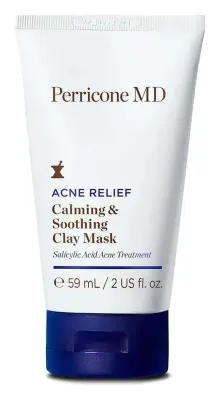
Perricone MD Acne Relief Calming & Soothing Clay Mask
Salicylic Acid 2% · no scent flags recorded
Best for oily skin
Brand lists it for oily skin
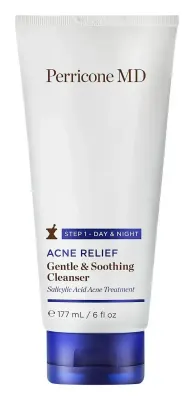
Perricone MD Acne Relief Gentle & Soothing Cleanser
Sucrose, squalane, and glycerin · oily, combination skin · no scent flags recorded
Best with SPF built in
Brand lists SPF 20
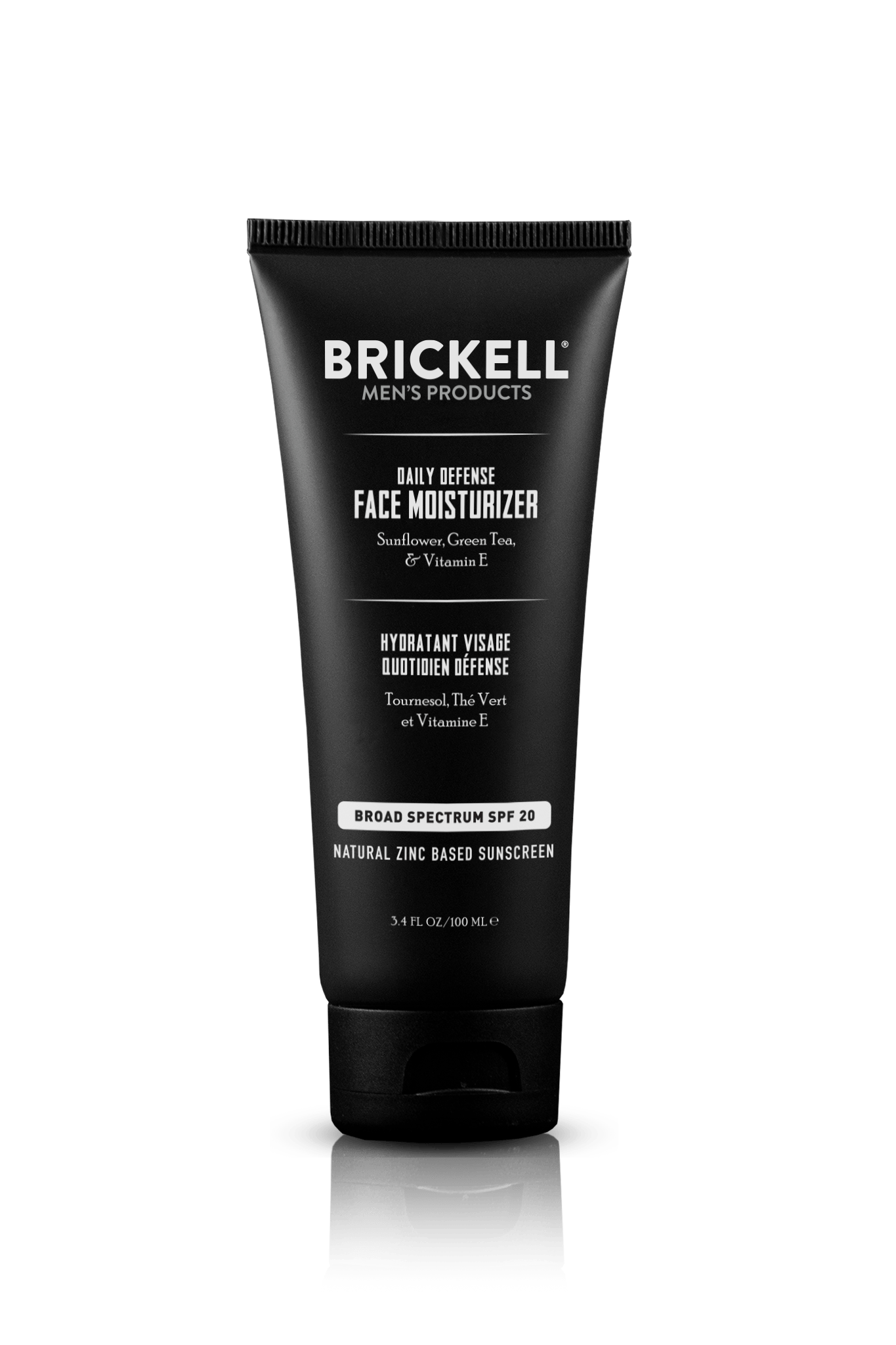
Brickell Daily Defense Face Moisturizer with SPF 20 for Men
oily, dry, combination, sensitive, normal skin · no scent flags recorded
All 10 products with Polyacrylamide
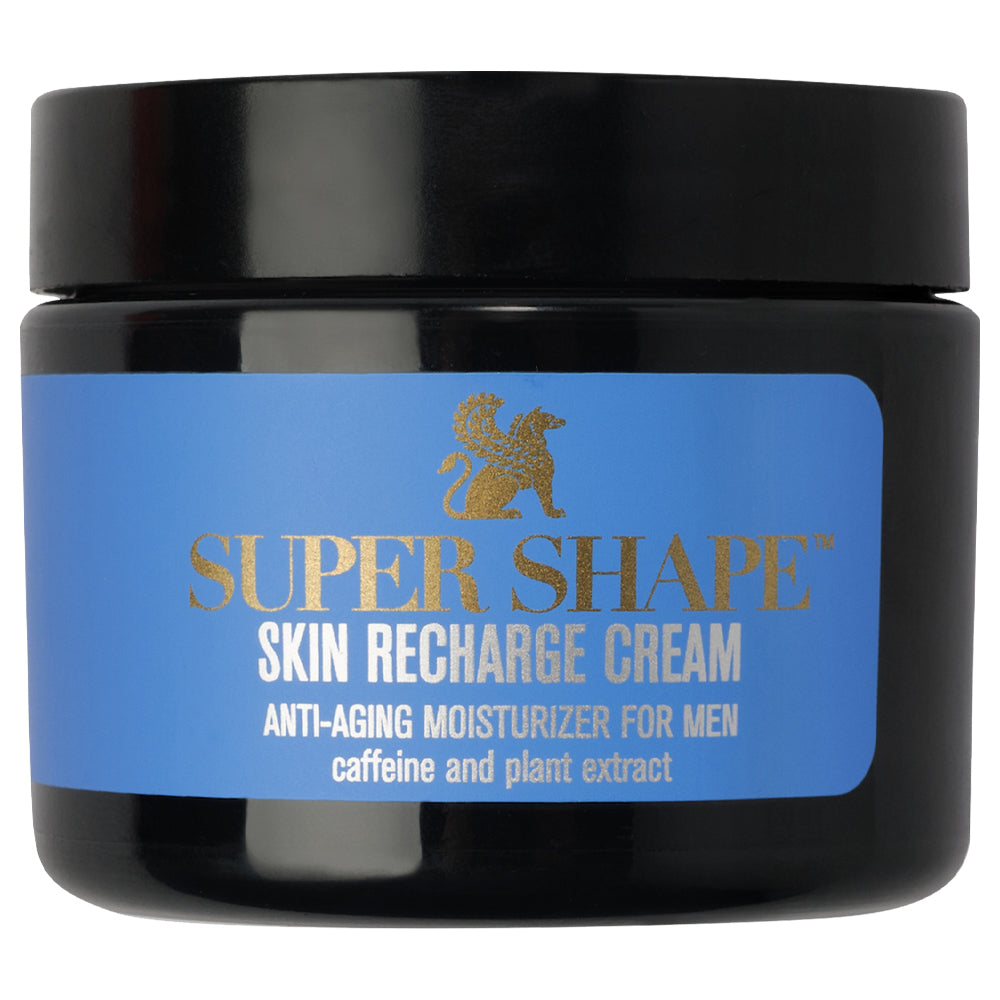
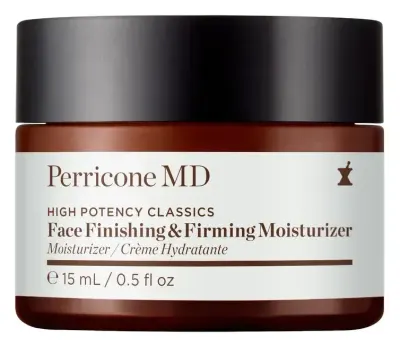
Daily Moisturizers & Water Gel Creams (3)
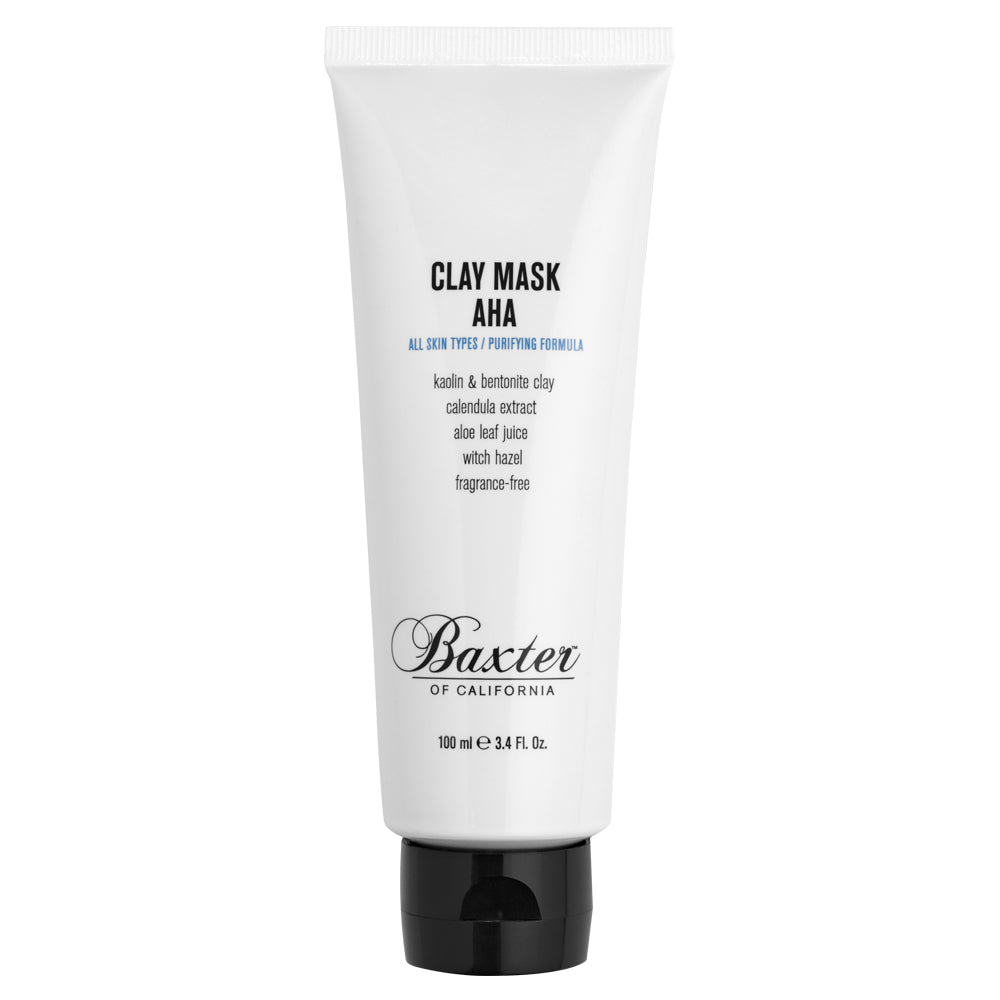
Sheet, Hydrogel & Clay Masks (2)
Gel, Foam & Cream Facial Cleansers (1)
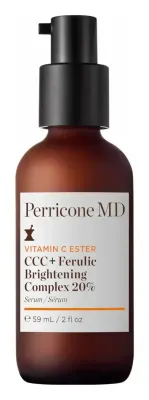
Targeted Vitamin C & Brightening Correctors (1)
Daily Sunscreens & SPF Moisturizers (1)
Eye Creams & Under-Eye Patches (1)
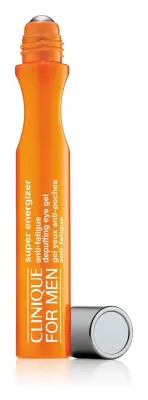
From stores: products with Polyacrylamide
Mineral Pressed Powders & Skin-Nourishing Primers (1)

Common questions
Is polyacrylamide the same as acrylamide?
No. Polyacrylamide is a large polymer made by linking many acrylamide units together. Acrylamide is the small starting chemical, and it's the one with health concerns. The cosmetic safety limit is about how much leftover acrylamide remains in the finished product.
Is polyacrylamide safe in skincare?
A cosmetic safety panel concluded it is safe as used when the finished formula contains no more than 5 ppm of leftover acrylamide. The polymer itself is too large to pass through the skin.
What does polyacrylamide do in a moisturizer?
It thickens the formula into a smooth gel-cream texture and can help it leave a light film on skin. It's a texture ingredient, not an active.