Maltodextrin
What maltodextrin does in skincare, from helping control texture to supporting a smooth, conditioned product feel.
Extremely safeIn 28 products we cover
We may earn a commission when you buy through links on this page. It never changes what we recommend.
Quick facts
- INCI name
- Maltodextrin
- Origin
- Plant-derived
- Chemical class
- Carbohydrate mixture
- What it does in a formula
- binding, film forming, viscosity controlling
- Why it is in the formula
- It helps bind ingredients, manage texture, or form a light film in a cosmetic formula.
What it is
Serving formulators as a binder, texture modifier, and light film former, maltodextrin is a carbohydrate produced by breaking down plant starches such as corn, potato, or rice. It appears across makeup, skincare, and hair care as a versatile supporting ingredient. The INCI entry confirms the presence of the broken-down starch, but it does not specify which agricultural crop supplied the starting material.
The word may be more familiar from food labels, but its use in a face product is about the needs of that formula. It can help powders and other ingredients stay blended or contribute to a product’s consistency. It is not a reason by itself to expect a dramatic change in your skin, and a name shared with a food ingredient does not mean the finished cosmetics are edible.
What it does
- Helps bind a formula. It can help hold ingredients together, particularly in dry or powder-based products.
- Supports texture. It may help adjust consistency or give a product a smoother feel.
- Forms a light film. In some formulas, it can contribute a thin layer on the skin or hair.
Who it suits
Maltodextrin is a supporting ingredient, not the reason to buy a product. It is not generally treated as a strong exfoliant or active, so you do not need to build a special routine around it. Whether a product feels right depends more on its overall formulation, including its oils, humectants, fragrances, and preservatives.
If a product containing maltodextrin does not suit you, consider the full list rather than assuming this carbohydrate is the cause. People with specific concerns about source materials or processing can ask the manufacturer, since the label name alone may not identify the original starch. Stop using any cosmetic that causes persistent discomfort.
What to pair it with, and what not to
Maltodextrin does not need a particular partner. It can appear alongside humectants, emollients, or pigments depending on the product type. Apply the product according to its directions, and do not treat it as a substitute for a moisturizer or for a well-supported active ingredient. Keep your routine focused on products you actually enjoy using.
Skin Realist check: A familiar food word on a face label is not a menu. In this case, the job is mostly formula housekeeping.
Quick picks with Maltodextrin
Scent-free, no patch-test flags on the label
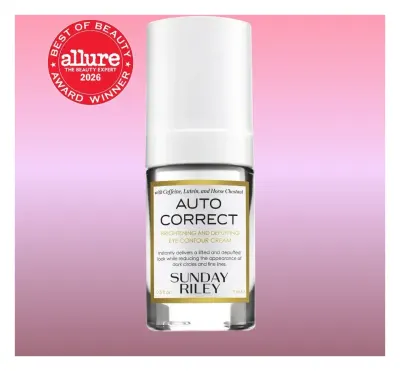
Sunday Riley Auto Correct Brightening + Depuffing Eye Cream
Caffeine · scent-free label
AmazonBrand lists it for sensitive skin
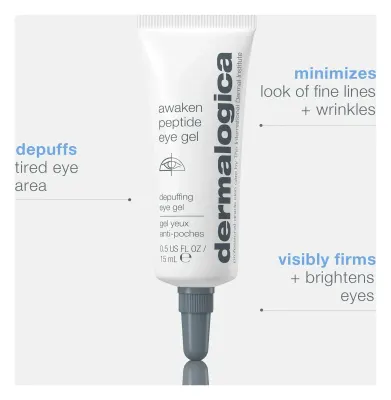
Dermalogica awaken peptide depuffing eye gel
Caffeine, tetrapeptides, rosemary leaf extract, succinic acid blend, Voandzeia subterranea seed extract and lactic acid · oily, dry, combination, sensitive, normal skin · scent-free label
AmazonBrand lists it for oily skin
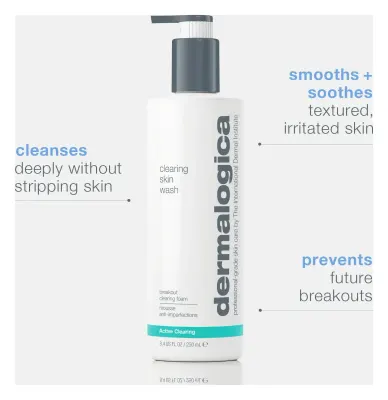
Dermalogica acne clearing skin wash
Salicylic acid, niacinamide, menthol, camphor, and eucalyptus extract · normal, combination, oily skin · scent-free label
Amazon
All 28 products with Maltodextrin
Eye Creams & Under-Eye Patches (6)
 Sunday Riley Auto Correct Brightening + Depuffing Eye CreamAmazon
 Dermalogica awaken peptide depuffing eye gelAmazon
 COSRX 5 PDRN Collagen Vitalizing Hydrogel Eye PatchAmazon
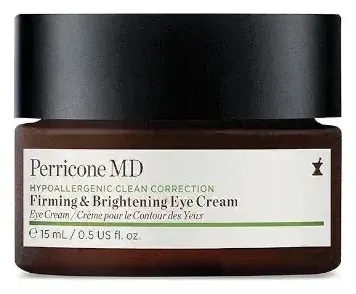 Perricone MD Hypoallergenic Clean Correction Firming & Brightening Eye CreamAmazon
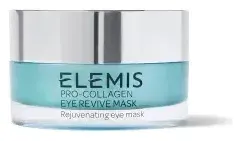 Elemis Pro-Collagen Eye Revive MaskAmazon
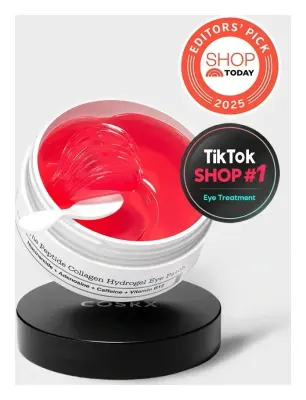 COSRX The Peptide Collagen Hydrogel Eye PatchAmazon
Gel, Foam & Cream Facial Cleansers (4)
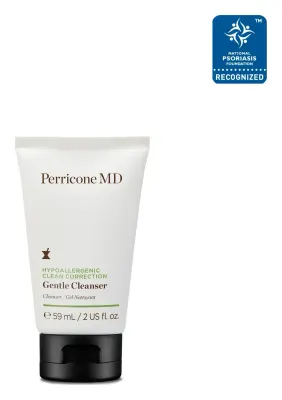
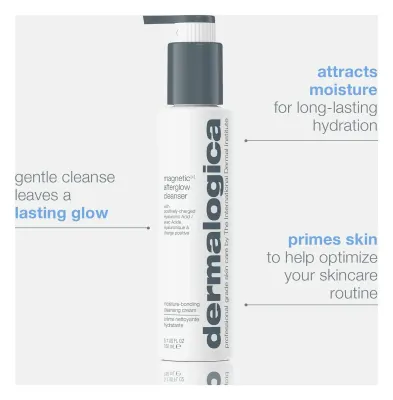

Anti-Aging & Retinoid Serums (3)

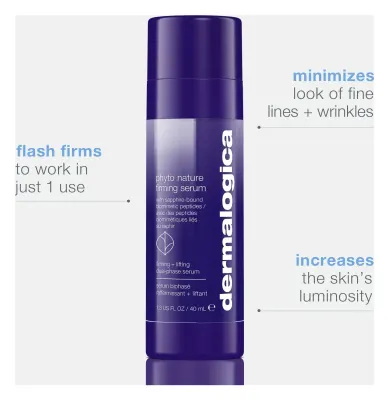

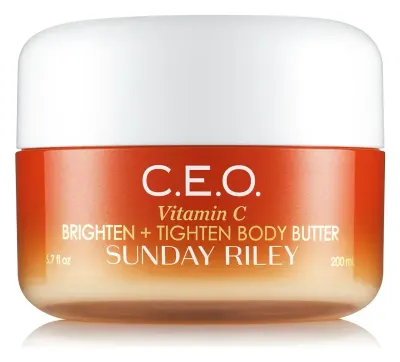
Body Creams, Butters & Body Oils (2)
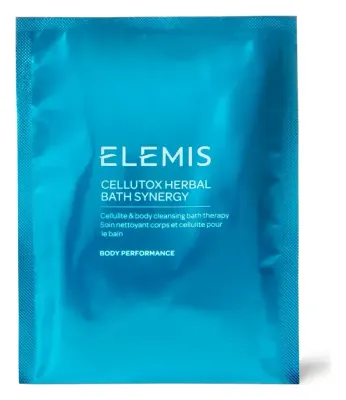
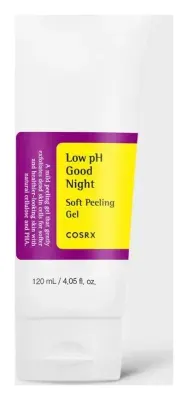
Dermatological Acne & Chemical Exfoliating Liquids (2)

Blush, Bronzers & Highlighters (2)
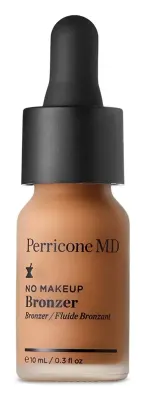
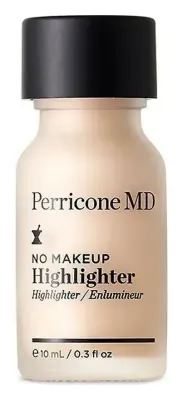
Daily Moisturizers & Water Gel Creams (2)

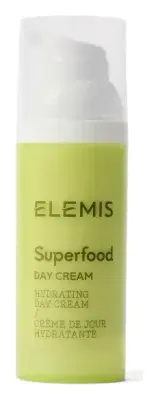
Pimple Patches & Overnight Spot Treatments (1)
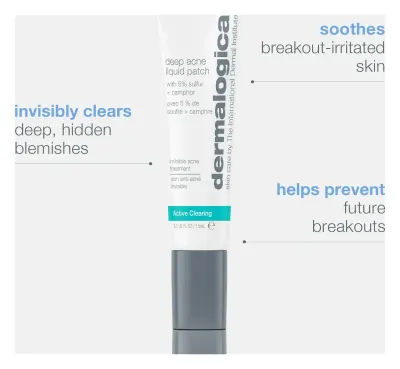
Skin Barrier Repair Creams & Recovery Jars (1)
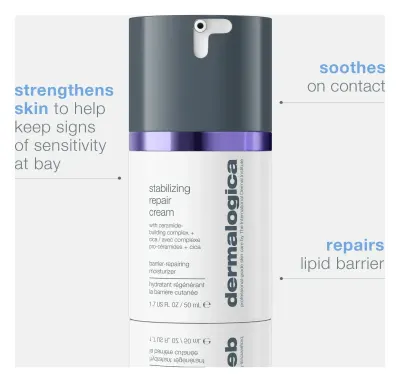
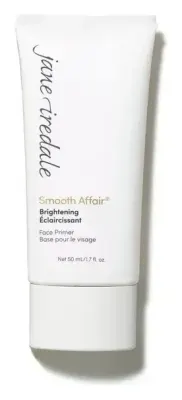
Mineral Pressed Powders & Skin-Nourishing Primers (1)
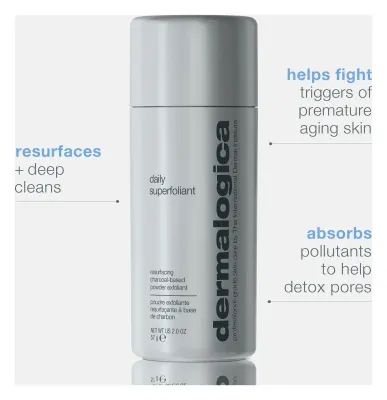
Physical & Enzyme Face Exfoliants (1)
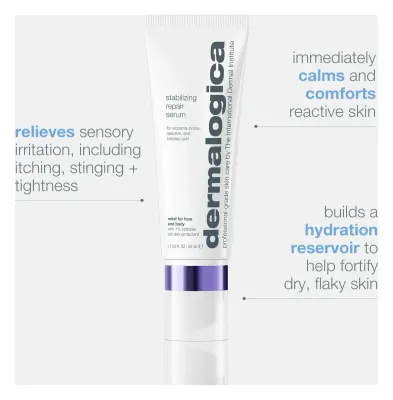
Hydrating Serums, Essences & Ampoules (1)
Cream & Gel Treatment Masks (1)
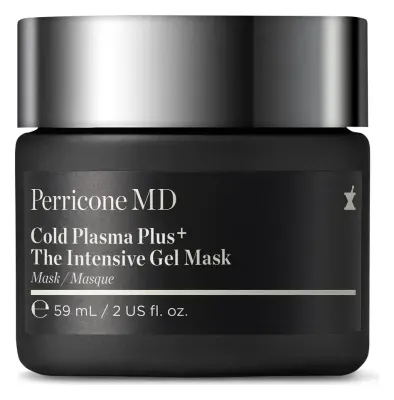
High-Definition Camouflage Concealers (1)

Common questions
What is maltodextrin in skincare?
Maltodextrin is a carbohydrate ingredient typically made from starch. In cosmetics it is used as a binder, texture helper, or film-forming material.
Does maltodextrin hydrate skin?
It can contribute to a conditioned feel and help a product form a light film. It is not interchangeable with a dedicated humectant such as glycerin, and the full formula matters.
Is maltodextrin natural?
It is generally produced by processing plant starch, though the label does not identify the source crop or manufacturing details. If sourcing matters to you, check with the product maker.
Is maltodextrin an active ingredient?
It is generally a supporting ingredient rather than a headline active. Formulas use it to help manage texture and ingredient delivery, not as a stand-alone skin treatment.