Palmitic Acid
What palmitic acid does in skincare, where this common fatty acid comes from, and how it behaves in cleansers and moisturizers.
Extremely safeIn 35 products we cover
We may earn a commission when you buy through links on this page. It never changes what we recommend.
Quick facts
- INCI name
- Palmitic Acid
- CAS number
- 57-10-3
- Origin
- Plant-derived or Animal-derived or Synthetic
- Chemical class
- Saturated fatty acid
- What it does in a formula
- emollient, surfactant, cleansing
- Why it is in the formula
- It can add structure and emollience or form part of a cleansing ingredient, depending on the formula.
What it is
Palmitic acid is a naturally occurring saturated fatty acid present in human skin lipids, animal fats, palm oil, and synthetic raw materials. In cosmetics, it contributes to formula structure, emulsification, and skin conditioning. Because the INCI declaration remains the same regardless of origin, ingredient labels do not reveal whether a manufacturer used plant, animal, or synthetic sources.
In cosmetics, palmitic acid may be used directly as an emollient or to give a product structure. It can also be a starting material for ingredients that combine a fatty part with another chemical group, including cleansing agents. That means the same ingredient name may appear in different kinds of formulas and serve different jobs. It is a familiar fatty-acid building block, not a special treatment active.
What it does
- Adds emollience. As a fatty acid, it can contribute a soft, conditioned feel to creams and other leave-on products.
- Helps build structure. Formulators may use it to thicken or stabilize a product and shape its texture.
- Can support cleansing. It can be used in making soaps and other surfactants, where the complete cleanser determines how it feels.
Who it suits
Palmitic acid appears in both rinse-off and leave-on products, so whether a formula suits you depends more on the complete product than on this fatty acid alone. You may see it in moisturizers, cleansers, and makeup. It is not the same thing as a specific plant oil, and its presence does not mean the formula is made from palm oil. Since source varies, people avoiding animal-derived ingredients or seeking a particular sourcing policy may want to ask the manufacturer.
There is no reliable comedogenic rating that can tell you whether a product containing palmitic acid will clog your pores. Skin response depends on the whole formula, how often you use it, and your own experience. If a product feels too rich or uncomfortable, try a different texture rather than treating the label as a prediction. Patch-test new leave-on products if you know your skin reacts easily.
What to pair it with, and what not to
Palmitic acid does not need to be layered with another ingredient. It is part of the product’s formula, whether it is there for softness, structure, or cleansing. If you are choosing a moisturizer, pair the overall texture with your preference and the rest of your routine; if you are choosing a cleanser, pay attention to how it leaves your skin feeling after rinsing.
Skin Realist check: A familiar building block can be useful without becoming the headline. Your routine does not need a plot twist in every line of the ingredient list.
Quick picks with Palmitic Acid
Scent-free, no patch-test flags on the label
COSRX Advanced Snail 92 All in One Cream
Snail Secretion Filtrate · scent-free label
AmazonBrand lists it for sensitive skin
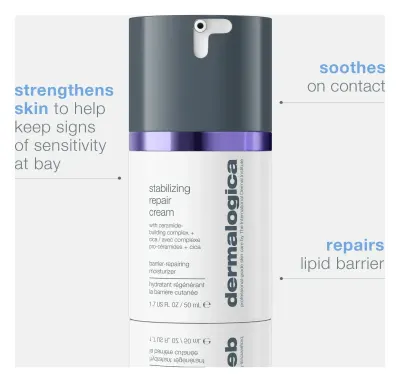
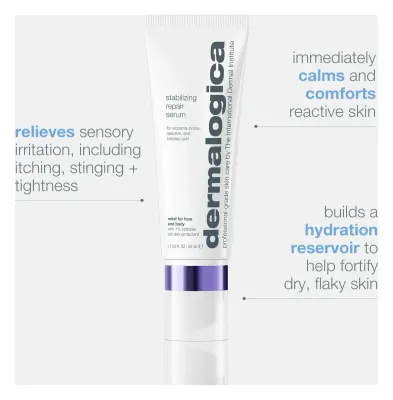
Dermalogica stabilizing repair cream
Resurrection Plant, Tasmania lanceolata extract, Boerhavia diffusa root, and a ceramide-building complex · sensitive skin · scent-free label
AmazonBrand lists it for oily skin
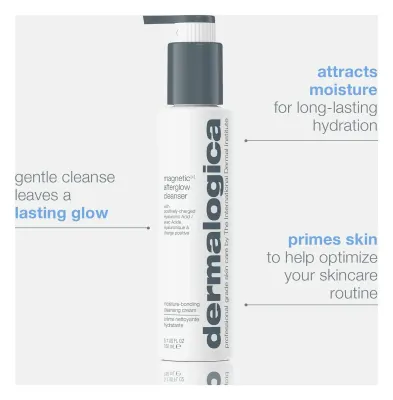
Dermalogica magnetic[+] afterglow cleanser
Positively charged hyaluronic acid, murumuru butter, oat, lotus root extract, and 10% glycerin · oily, dry, combination, sensitive, normal skin · scented
Amazon
All 35 products with Palmitic Acid
Daily Moisturizers & Water Gel Creams (12)
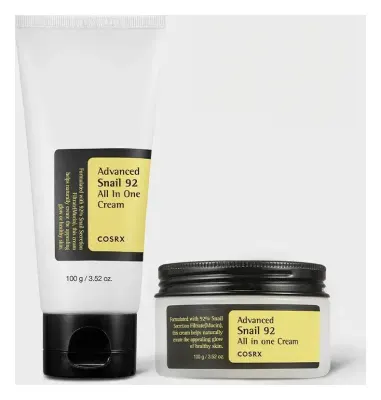 COSRX Advanced Snail 92 All in One CreamAmazon
 Sulwhasoo Concentrated Ginseng Rejuvenating CreamAmazon
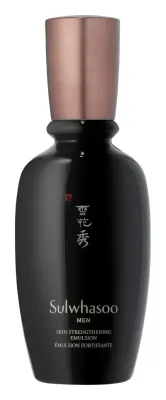 Sulwhasoo Skin Strengthening Emulsion for MenAmazon
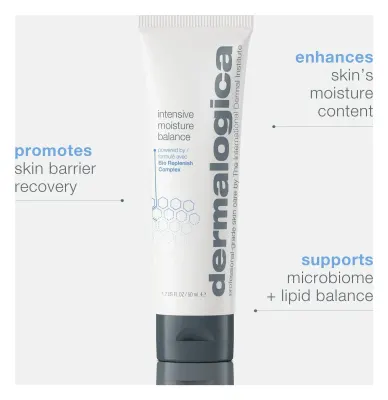 Dermalogica intensive moisture balance moisturizerAmazon
 COSRX The Blue Peptide Bakuchiol Plump Bounce CreamAmazon
 Elemis ULTRA SMART Pro-Collagen Day CreamAmazon
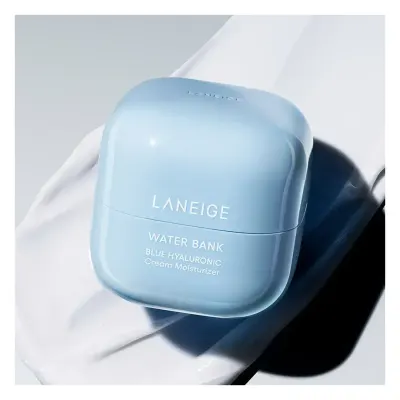 Laneige Water Bank Blue Hyaluronic Cream MoisturizerAmazon
 Sulwhasoo Concentrated Ginseng Rejuvenating Cream RichAmazon
 Sulwhasoo Concentrated Ginseng Rejuvenating EmulsionAmazon
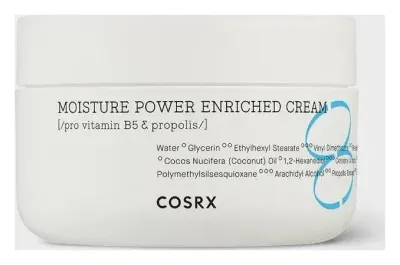 COSRX Hydrium Moisture Power Enriched CreamAmazon
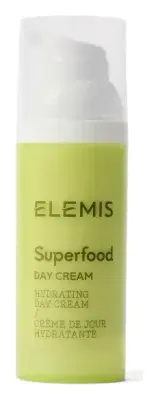 Elemis Superfood Day CreamAmazon
 Elemis ULTRA SMART Pro-Collagen Night GeniusAmazon
Gel, Foam & Cream Facial Cleansers (4)

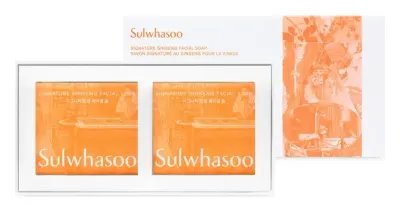
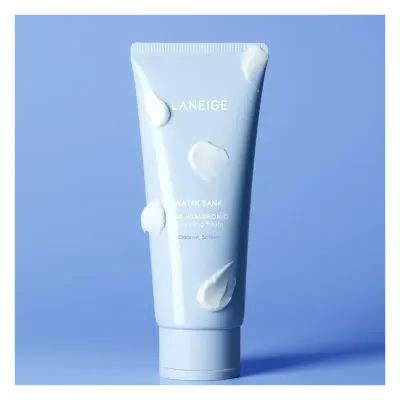
Premium Double-Cleansing Balms & Melting Gels (3)
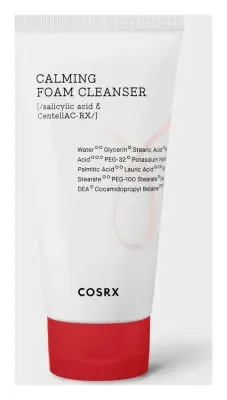
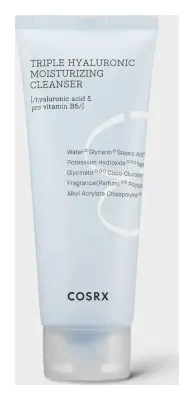
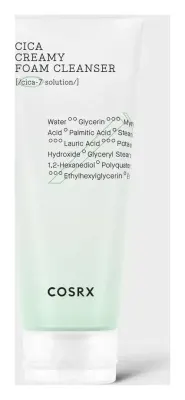
Skin Barrier Repair Creams & Recovery Jars (2)

Anti-Aging & Retinoid Serums (2)


Eye Creams & Under-Eye Patches (2)
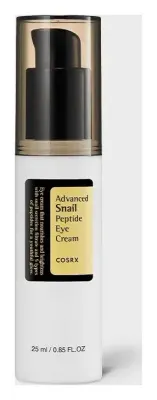

Premium Overnight Recovery Packs & Sleeping Facials (1)

Daily Sunscreens & SPF Moisturizers (1)
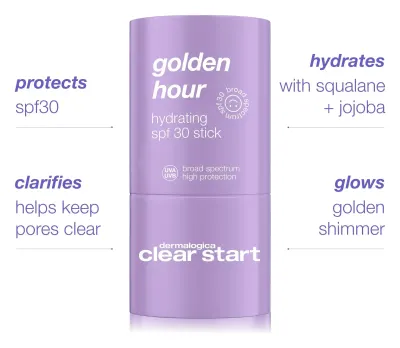
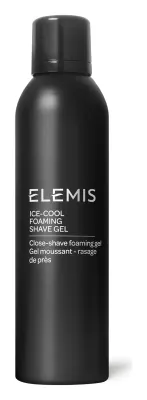
Shaving Creams, Gels & Oils (1)
Body Creams, Butters & Body Oils (1)

Targeted Vitamin C & Brightening Correctors (1)

Hydrating Serums, Essences & Ampoules (1)
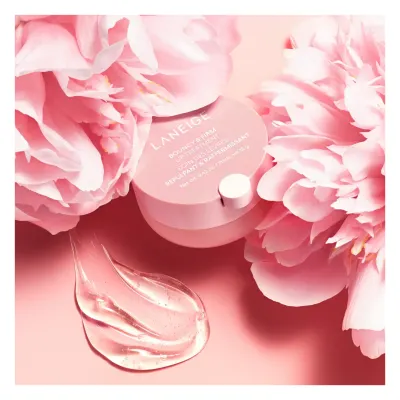
Intensive Lip Recovery Masks & Tinted Balms (1)
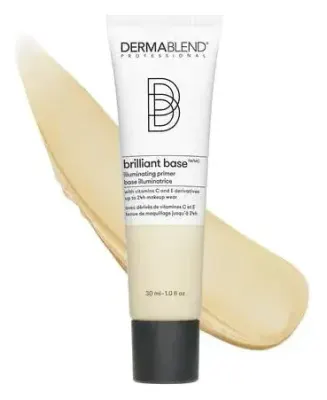
Mineral Pressed Powders & Skin-Nourishing Primers (1)
Sheet, Hydrogel & Clay Masks (1)

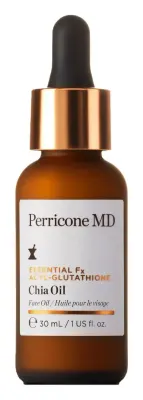
Face Oils & Treatment Oils (1)
Common questions
What is palmitic acid in skincare?
Palmitic acid is a saturated fatty acid found in plants, animals, and skin lipids. In cosmetics it can help soften or structure a formula, or be used to make other ingredients.
Is palmitic acid plant-derived?
It can come from plant oils, animal fats, or synthetic production. The ingredient name alone does not identify its source, so contact the maker if that detail matters to you.
Is palmitic acid comedogenic?
There is no dependable comedogenic score that predicts how a finished product will behave on your skin. The full formula, amount, and your preferences all matter.
Why is palmitic acid in a cleanser?
Palmitic acid can be used to make cleansing ingredients, including soaps, and can affect a product's structure and feel. A cleanser's mildness depends on its surfactants, pH, and how you use it, not one ingredient alone.