Papaya and Papain
What papaya and papain do in exfoliating skincare, how enzyme formulas vary, and what to know before trying one.
Extremely safeProbably fineIn 8 products we cover
We may earn a commission when you buy through links on this page. It never changes what we recommend.
What it is
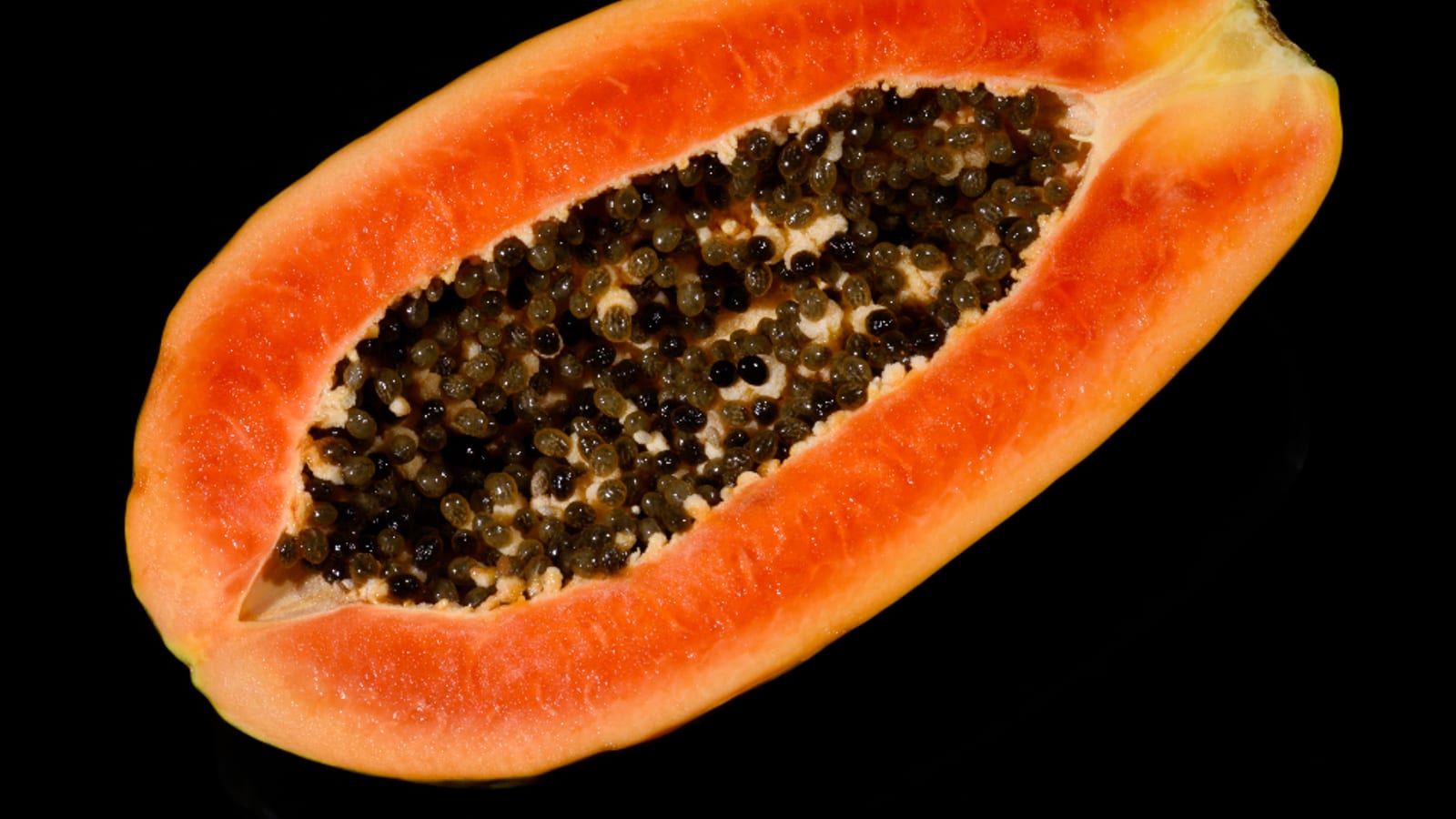
Papaya is the fruit of Carica Papaya. Cosmetics may contain papaya fruit extract, papain, or other materials derived from the plant. Papain is an enzyme that breaks down proteins and is used in some products as an enzyme exfoliant. A papaya extract is not automatically the same as purified papain, and the type and amount of ingredient vary between products. You may find these materials in masks, cleansers, peels and other formulas that promise smoother-feeling skin.
What it does
- Helps loosen surface buildup. Papain’s enzyme activity is used to help break down proteins at the skin’s surface, supporting cosmetic exfoliation.
- Smooths the feel of skin. Exfoliating products can leave skin feeling smoother by helping remove some surface dead cells.
- Adds a fruit-derived ingredient. Papaya extracts can also serve as skin-conditioning ingredients, but their properties depend on the specific extract and formula.
Who it suits
A papain product may interest you if you want an exfoliating step and prefer an enzyme formula. “Enzyme” does not mean irritation-free, and people vary in how they respond. Follow the contact time and frequency on the label; leaving a mask on longer is not a shortcut to better results. Avoid applying an exfoliant to broken or already irritated skin, and patch-test if you are unsure. If you have an allergy to papaya or related ingredients, get professional advice before trying a product. For persistent sensitivity, breakouts or another skin condition, ask a dermatologist. A gentle cleanser and moisturizer are enough for a routine that does not include exfoliation.
What to pair it with, and what not to
Pair an exfoliating papain product with a plain moisturizer containing glycerin or ceramides, and use sunscreen as directed during the day. Be cautious about using it in the same routine as glycolic acid, salicylic acid or retinol, since several active steps can add up to dryness and irritation. Alternating nights may be easier to manage than layering everything together. Do not use an enzyme product more often or longer than directed, and pause exfoliation if your skin becomes uncomfortable.
Skin Realist check: Exfoliation is not a contest to see who can get smooth fastest. Your face is allowed to prefer a gentler schedule, or no enzyme step at all.
How it appears on labels: Papain; Carbomer/Papain Crosspolymer
Quick picks with Papaya and Papain
Scent-free, no patch-test flags on the label
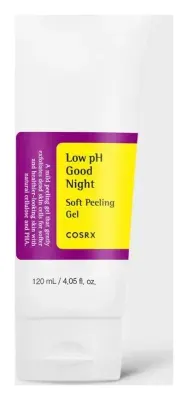
COSRX Low pH Goodnight Soft Peeling Gel
scent-free label
AmazonBrand lists it for sensitive skin
Dermalogica biolumin-c vitamin c eye serum
Vitamin C complex, Arjun tree extract, chia seed oil, Tremella mushroom, micro-algae and Poria mushroom · oily, dry, combination, sensitive, normal skin · scented
AmazonBrand lists it for oily skin
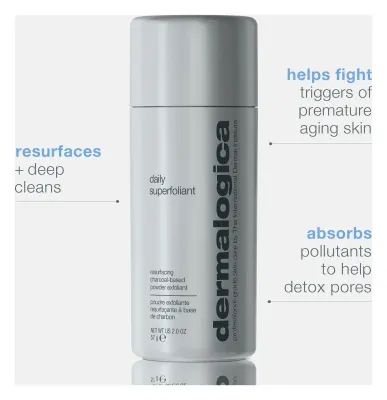
Dermalogica daily superfoliant exfoliator
Activated Binchotan Charcoal, lactic acid, niacinamide and rice powder enzymes · oily, combination, normal skin · scented
Amazon

All 8 products with Papaya and Papain
Targeted Vitamin C & Brightening Correctors (2)
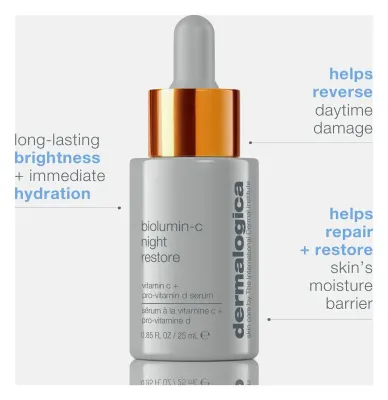
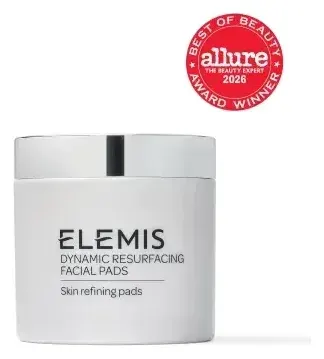
Dermatological Acne & Chemical Exfoliating Liquids (2)
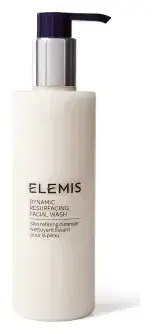
Gel, Foam & Cream Facial Cleansers (2)
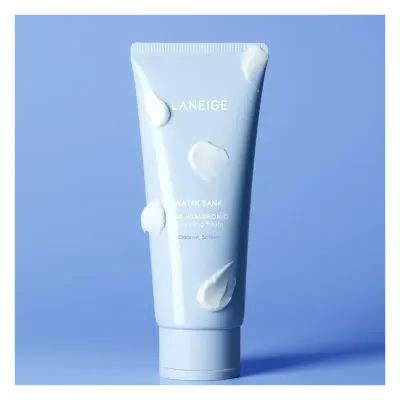
Eye Creams & Under-Eye Patches (1)
Physical & Enzyme Face Exfoliants (1)
Common questions
What is papain in skincare?
Papain is a protein-digesting enzyme associated with papaya fruit, and Carica Papaya Fruit Extract is another papaya-derived ingredient used in cosmetics. Papain is used as an enzyme exfoliant in some products. The type and amount of papaya material vary by formula.
How does papain exfoliate skin?
Papain can break down proteins, which is why cosmetic formulas use it to help loosen dead surface cells. Enzyme products differ in strength, pH and contact time, so the effect is specific to the finished formula. Follow its directions rather than leaving it on longer.
Is papaya enzyme exfoliation gentle?
An enzyme product may feel gentler than some exfoliating acids to some users, but it can still irritate skin. Sensitivity depends on the formula and the person using it. Patch-test first and avoid combining several exfoliating steps when starting a new product.
Can I use papain with retinol?
Using an enzyme exfoliant and retinol together may increase the chance of dryness or irritation, especially if both are new or used frequently. It is sensible to use them on separate occasions while you learn how your skin responds. Follow each product's instructions and use sunscreen as directed.