Peony Extracts
A guide to peony root and flower extracts on skincare labels, including the different Paeonia species and what their names mean.
Extremely safeIn 20 products we cover
We may earn a commission when you buy through links on this page. It never changes what we recommend.
Quick facts
- INCI name
- Paeonia Lactiflora Root Extract
- Origin
- Plant-derived
- Chemical class
- Botanical extract
- What it does in a formula
- skin conditioning
- Why it is in the formula
- Peony extracts are added as botanical skin-conditioning ingredients, often for a soothing or antioxidant positioning.
What it is
Derived from flowering plants in the genus Paeonia, peony extracts represent a collection of botanical cosmetic ingredients including Paeonia lactiflora root extract, Paeonia albiflora root extract, and Paeonia albiflora flower extract. While sharing a common plant family, these ingredients differ by botanical species and specific harvested plant tissue, yielding distinct phytochemical profiles.
Botanical extracts can differ with the source material, extraction method, and finished formula. A plant name on the label does not reveal how concentrated an extract is or which compounds are present. In cosmetics, peony ingredients are generally used as supporting skin conditioners and for botanical positioning. They are not interchangeable with a tested treatment for a skin condition.
What it does
- Adds a botanical component. Peony root or flower extract can be included as a plant-derived ingredient in a cosmetic formula.
- Supports skin conditioning. Formulators may use the extracts in products intended to leave skin feeling comfortable.
- Contributes to formula storytelling. The plant identity may be part of a product’s botanical theme, but it does not predict the result by itself.
Who it suits
Peony extracts may suit people who enjoy botanical ingredients, provided the complete product feels comfortable for them. A product with a peony extract can also contain fragrance, preservatives, or other plant materials that matter more to an individual response. The word gentle in marketing is not a guarantee for every person or every formulation.
If you have a history of reacting to botanical products, check the full label and introduce a new formula cautiously. Stop using a product if it causes persistent irritation. A dermatologist can help evaluate recurring reactions or ongoing skin concerns. Since these are supporting ingredients, you do not need to seek out peony specifically to build an effective basic routine.
What to pair it with, and what not to
There is no special ingredient that must be paired with a peony extract. It can appear in a moisturizer, serum, or other product alongside ordinary humectants and emollients. Choose products based on their full formula and intended cosmetic use. Do not assume that combining multiple botanical extracts makes a product more effective or more suitable for sensitive skin.
Skin Realist check: A plant name can sound like a whole garden of benefits. The extract still has to share the formula with everything else.
How it appears on labels: PAEONIA LACTIFLORA ROOT EXTRACT; PAEONIA ALBIFLORA ROOT EXTRACT; PAEONIA ALBIFLORA FLOWER EXTRACT
Quick picks with Peony Extracts
Scent-free, no patch-test flags on the label
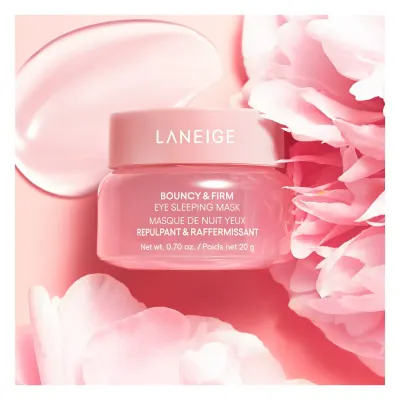
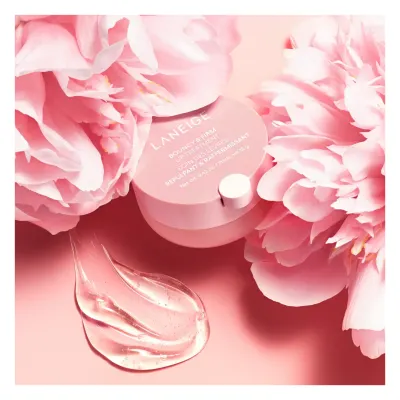
Laneige Bouncy & Firm Eye Sleeping Mask
Niacinamide, panthenol, caffeine, collagen, and acetyl tetrapeptide-2 · scent-free label
AmazonBrand lists it for oily skin
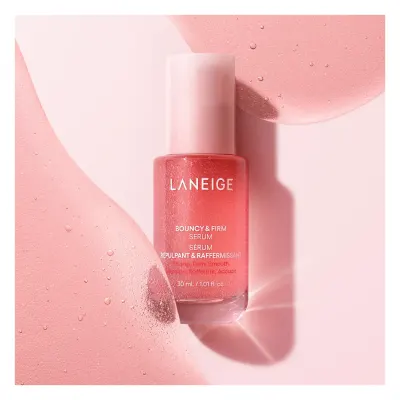
Laneige Bouncy & Firm Serum
Niacinamide, soluble collagen, peptide complex, beta-glucan · normal, dry, combination, oily skin · scented
AmazonFeatured in our guides
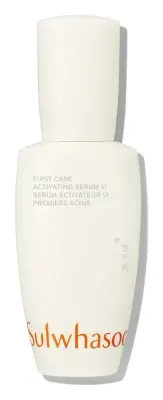
Sulwhasoo First Care Activating Serum VI
scented
Amazon
All 20 products with Peony Extracts
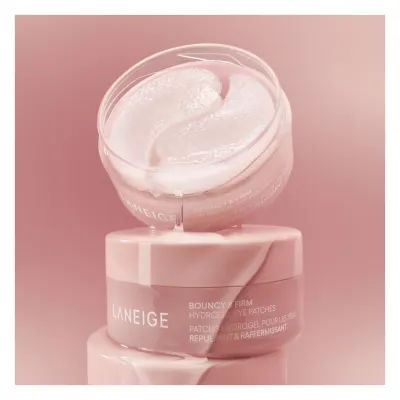
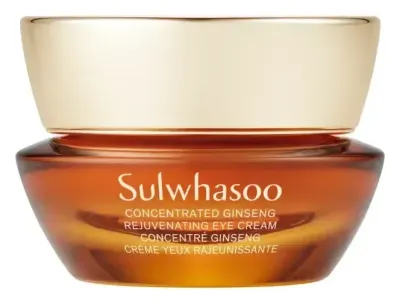
Eye Creams & Under-Eye Patches (4)

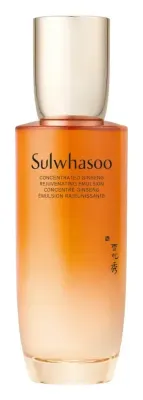
Daily Moisturizers & Water Gel Creams (4)



Hydrating Serums, Essences & Ampoules (2)
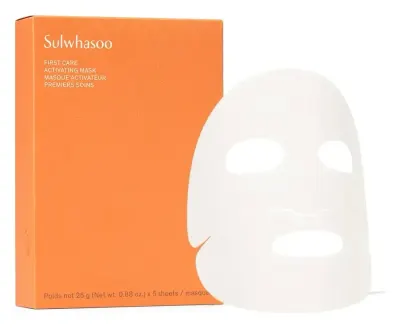
Sheet, Hydrogel & Clay Masks (2)

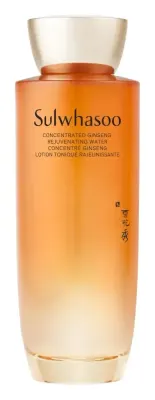
Hydrating Toners, Essence Waters & Face Mists (2)

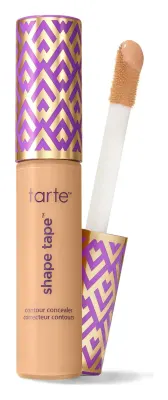
High-Definition Camouflage Concealers (2)

Premium Overnight Recovery Packs & Sleeping Facials (1)

Anti-Aging & Retinoid Serums (1)

Intensive Lip Recovery Masks & Tinted Balms (1)
Gel, Foam & Cream Facial Cleansers (1)

Common questions
What is peony extract in skincare?
It is a botanical extract from a peony plant, with the label naming the species and plant part. Common names in this group include Paeonia lactiflora root and Paeonia albiflora root or flower extracts.
Are peony root and flower extracts the same?
No. A root extract comes from the underground root, while a flower extract comes from the blossom. They are separate botanical materials and should not be assumed to have identical compositions or effects.
Is peony extract good for sensitive skin?
Some formulas use it for a gentle botanical or soothing positioning, but plant extracts can vary and individual responses differ. Check the full formula and patch-test if your skin is reactive.
Is peony extract an active ingredient?
It is usually a supporting botanical rather than a well-established headline active. Evidence for topical benefits depends on the particular extract and finished product.