Phytic Acid
What phytic acid does as a cosmetic chelator, why it supports formula stability, and how it differs from exfoliating acids.
Extremely safeIn 16 products we cover
We may earn a commission when you buy through links on this page. It never changes what we recommend.
Quick facts
- INCI name
- Phytic Acid
- CAS number
- 83-86-3
- Origin
- Plant-derived
- Chemical class
- Inositol phosphate (chelating agent)
- What it does in a formula
- chelating, antioxidant, skin conditioning
- Why it is in the formula
- Usually added to bind trace metal ions and support the stability of a formula.
What it is
Identified chemically as inositol hexaphosphate, phytic acid is a plant compound concentrated in grains and seeds. Cosmetic manufacturers utilize it primarily as a chelating agent. By binding trace metal ions in water-based mixtures, it prevents oxidation and protects formula stability.
Despite the word acid, phytic acid is not automatically being used as a surface exfoliant. Its purpose depends on the formula, concentration, and product design. In a moisturizer or serum it may be a quiet helper for formula stability rather than an active chosen for a direct skin effect. The label does not reveal the amount or the precise source.
What it does
- Binds metal ions. Chelation can help control trace metals in a water-based formula.
- Supports product stability. By binding those ions, phytic acid may help protect a formula from unwanted changes.
- Can contribute antioxidant support. Its role is still mostly in the formula, not a promise of a visible result on skin.
Who it suits
You may see phytic acid in serums, moisturizers, and other formulas with a chelator. Its presence alone does not mean the product is an exfoliant or that it will change skin tone. If a product contains other acids, retinoids, or fragrance, those ingredients may be more relevant to its feel and use.
For most shoppers, phytic acid is a supporting component rather than a reason to avoid a product. If you have sensitive skin or a known allergy to any ingredient in the formula, review the whole label and patch-test a new product. Stop using a product that causes persistent discomfort. A dermatologist can help assess recurring reactions.
What to pair it with, and what not to
There is nothing special to pair with phytic acid. It works as part of a formula’s stability system and does not need another active beside it. Follow the directions for the complete product, especially if it also contains exfoliating acids.
Skin Realist check: A chelator is a backstage helper, not an invitation to build a complicated routine. Let the formula's supporting cast stay in the background.
Quick picks with Phytic Acid
Scent-free, no patch-test flags on the label
Perricone MD High Potency Triple Retinol Renewal Serum
Triple retinol blend, coenzyme Q10, and beta-carotene · oily, dry, combination, sensitive, normal skin · scent-free label
AmazonBrand lists it for sensitive skin
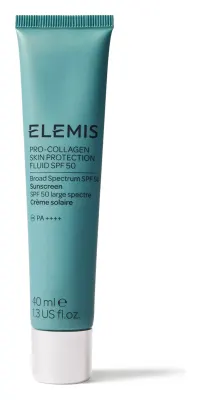
Elemis Pro-Collagen Skin Protection Fluid SPF 50
Padina pavonica, collagen amino acids, leuconostoc/radish root ferment filtrate · combination, dry, normal, oily, sensitive skin · scent-free label
AmazonBrand lists it for oily skin
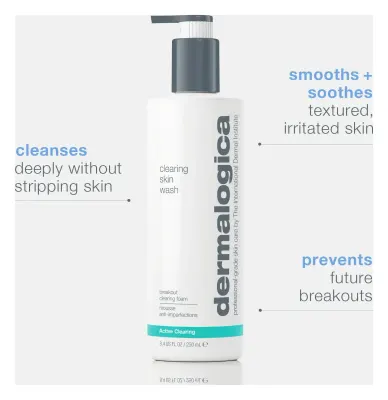
Dermalogica acne clearing skin wash
Salicylic acid, niacinamide, menthol, camphor, and eucalyptus extract · normal, combination, oily skin · scent-free label
Amazon

All 16 products with Phytic Acid
Daily Moisturizers & Water Gel Creams (5)

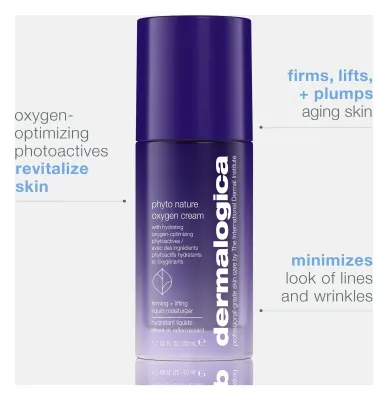



Dermatological Acne & Chemical Exfoliating Liquids (3)
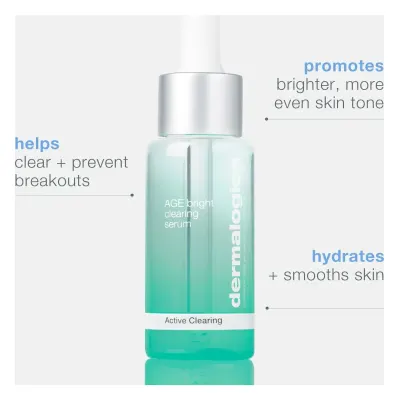

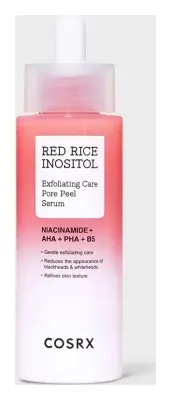
Targeted Vitamin C & Brightening Correctors (2)

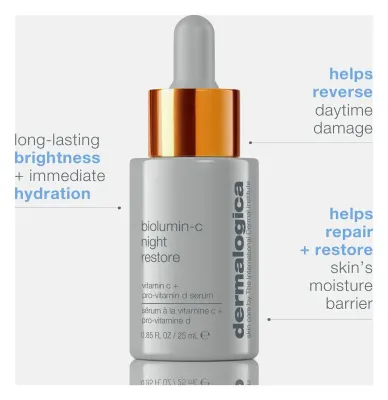
Eye Creams & Under-Eye Patches (2)
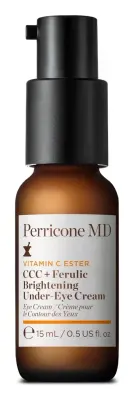

Anti-Aging & Retinoid Serums (1)
Daily Sunscreens & SPF Moisturizers (1)
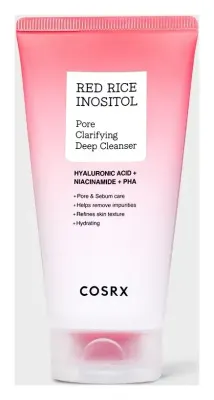
Gel, Foam & Cream Facial Cleansers (1)
Premium Double-Cleansing Balms & Melting Gels (1)
Common questions
What does phytic acid do in skincare?
Phytic acid is mainly used as a chelator. It binds trace metal ions in a formula, which can help support product stability.
Is phytic acid an exfoliating acid?
It is chemically an acid, but its common cosmetic role is not the same as that of glycolic or lactic acid exfoliants. A label mention does not mean the product is designed to exfoliate.
Is phytic acid naturally derived?
Phytic acid occurs in plants, including seeds and grains, and cosmetic material may be processed from plant sources. The label alone does not specify its origin or manufacturing method.
Why is phytic acid in my serum?
It may be there to bind metal ions and help the formula remain stable. It is a formulation helper, so you generally cannot infer a skin benefit from its presence alone.