Phytosterols
What plant sterols are, why they appear in skin-conditioning formulas, and how to read claims about this lipid blend.
Extremely safeIn 12 products we cover
We may earn a commission when you buy through links on this page. It never changes what we recommend.
Quick facts
- INCI name
- Phytosterols
- Origin
- Plant-derived
- Chemical class
- Plant sterols (steroid lipids)
- What it does in a formula
- skin conditioning, emollient
- Why it is in the formula
- Usually included as plant-derived lipids to condition skin and support a richer moisturizing formula.
What it is
A group of plant-derived sterol lipids present in seeds and botanical oils, phytosterols represent a complex mixture of related compounds rather than a single isolated chemical. Cosmetic suppliers extract and refine these lipid fractions to condition the skin barrier. Because the term covers multiple sterol types, product labels rarely disclose the exact botanical source or component ratios.
In skincare, phytosterols are used mainly for skin conditioning. They can be included in moisturizers or lipid blends that aim for a soft, comfortable finish. Phytosterols are related in broad chemical family to cholesterol, a lipid naturally present in skin, but they are not the same molecule. Their presence does not mean a product replaces skin lipids or produces a particular result.
What it does
- Conditions skin. Phytosterols can help a product leave skin feeling softer.
- Contributes emollient support. They may be part of a blend designed to improve a moisturizer’s feel.
- Supports the formula’s lipid phase. Their effect depends on the other oils, emollients, and humectants present.
Who it suits
You may find phytosterols in moisturizers marketed for dry or mature-feeling skin, but the label name does not make a product suitable for a specific skin type. Texture and overall formula are better guides. If you like richer products, you may prefer a formula with more emollients; if not, choose a lighter finish.
This is a supporting ingredient, not the reason to buy a product. If you have known sensitivities to plant-derived materials, check the full ingredient list and patch-test new products. A botanical source does not guarantee a product will suit everyone. Ask a dermatologist about persistent irritation or a skin condition.
What to pair it with, and what not to
Phytosterols can sit alongside ceramides and humectants such as glycerin in a moisturizer. They do not need a special active pairing. Choose a product with a finish that feels comfortable instead of layering several lipid-rich formulas by default.
Skin Realist check: A plant-derived lipid can be a useful supporting player without becoming a personality type. Pick the moisturizer for how it works in your routine.
Quick picks with Phytosterols
Scent-free, no patch-test flags on the label
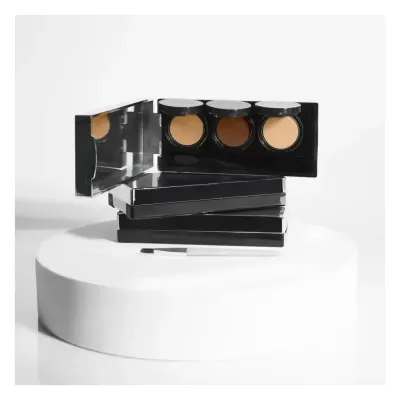
Dermaflage Coverage+ Concealer for Rosacea
scent-free label
AmazonBrand lists it for sensitive skin
Dermalogica biolumin-c vitamin c eye serum
Vitamin C complex, Arjun tree extract, chia seed oil, Tremella mushroom, micro-algae and Poria mushroom · oily, dry, combination, sensitive, normal skin · scented
AmazonBrand lists it for oily skin
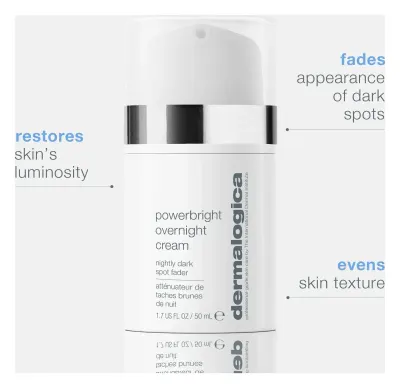
Dermalogica powerbright overnight cream
Niacinamide, hexylresorcinol, pumpkin ferment, and cranberry and raspberry seed oils · oily, dry, combination, sensitive, normal skin · scented
Amazon

All 12 products with Phytosterols
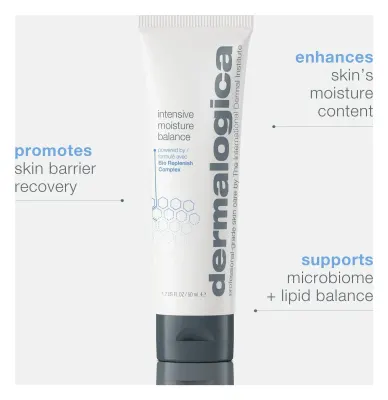
Daily Moisturizers & Water Gel Creams (5)


Hydrating Serums, Essences & Ampoules (2)

High-Definition Camouflage Concealers (1)
Eye Creams & Under-Eye Patches (1)
Gel, Foam & Cream Facial Cleansers (1)

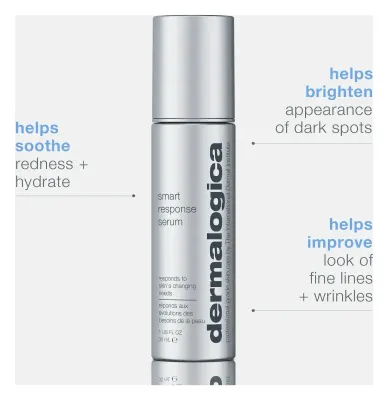
Anti-Aging & Retinoid Serums (1)

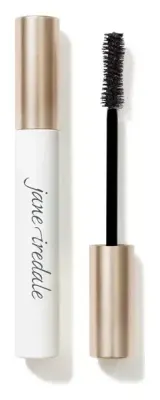
Eye Shadows, Liners, Mascara & Brow Makeup (1)
Common questions
What are phytosterols in skin care?
Phytosterols are plant sterols, a group of lipid compounds found in plant materials. The name refers to a family rather than one single molecule.
What do phytosterols do for skin?
They are used as skin-conditioning and emollient ingredients. They may contribute to a soft, moisturized feel, depending on the complete formula.
Are phytosterols the same as cholesterol?
They are related types of sterols but are not identical. Plant sterols come from plant sources, while cholesterol is found in animal tissues and in skin.
Are phytosterols natural?
They occur in plants and are generally sourced from plant materials for cosmetics. Processing and the exact sterol blend vary, so the label does not identify a specific plant source.