Polyacrylate Crosspolymer-6
A synthetic polymer that thickens and stabilizes cosmetic formulas, helping watery products hold a smooth, usable texture.
Extremely safeIn 20 products we cover
We may earn a commission when you buy through links on this page. It never changes what we recommend.
Quick facts
- INCI name
- Polyacrylate Crosspolymer-6
- Origin
- Synthetic
- Chemical class
- Crosslinked acrylic polymer
- What it does in a formula
- viscosity controlling, stabilizing, film forming
- Why it is in the formula
- It builds viscosity and helps a gel or serum keep a smooth, stable texture.
What it is
Supplied as a fine synthetic powder before incorporation, polyacrylate crosspolymer-6 swells in water to create gelled textures and stabilize cosmetic emulsions. It is composed of crosslinked acrylic-acid-based polymer networks. While polymer chemistry defines its macrostructure, the label name alone does not reveal particle dimensions, solubility behavior, or environmental persistence.
You may find this ingredient in gels, serums, creams, and other water-based cosmetics. It is not a skin-care active that needs to be applied on its own. It is closer to the structure that gives a formula its shape and flow.
What it does
- Thickens liquids. It helps a thin water-based product develop a gel or serum-like consistency.
- Stabilizes texture. A structured gel can help keep ingredients distributed and reduce unwanted separation.
- Improves application. It can give a formula smooth slip and help control how quickly it spreads.
- Supports a finished product. It helps a formulator create a texture that is easy to dispense and apply.
Who it suits
This ingredient is a formula helper, so most shoppers choose products based on how the finished formula feels rather than seeking the polymer itself. A lightweight serum containing it may suit someone who dislikes a runny texture, while another person may prefer a lotion or liquid. Your skin type does not determine whether a thickener will feel pleasant; the full product texture is the better guide.
If you have sensitive skin, remember that any individual reaction could involve many parts of a formula. A polymer’s presence alone does not establish that the product will irritate you or that it will provide a benefit. Try new leave-on products one at a time and stop using one that causes persistent discomfort. For repeated or severe reactions, ask a dermatologist.
What to pair it with, and what not to
There is no special active to pair with polyacrylate crosspolymer-6. It is formulated alongside water, humectants, and other ingredients to build a stable texture. Layer the finished product according to its directions and avoid adding extra steps solely because this thickener appears on the label.
Skin Realist check: Some ingredients are here to make a serum feel like a serum. That is a perfectly respectable career.
Quick picks with Polyacrylate Crosspolymer-6
Scent-free, no patch-test flags on the label
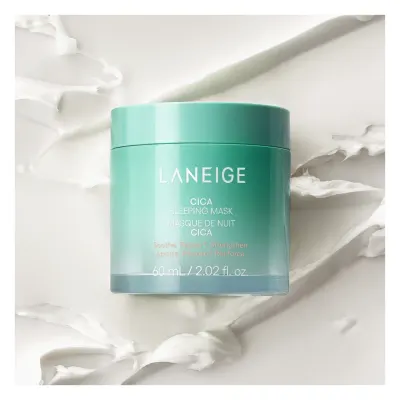
Laneige Cica Sleeping Mask with Centella Asiatica for Moisture Barrier Support
Centella asiatica, madecassoside, panthenol, squalane, niacinamide · normal, dry, combination, sensitive skin · scent-free label
AmazonBrand lists it for sensitive skin
Dermalogica dynamic skin retinol serum
Retinoid Complex 3.5% · oily, dry, combination, sensitive, normal skin · scented
AmazonBrand lists it for oily skin
Perricone MD High Potency Triple Retinol Renewal Serum
Triple retinol blend, coenzyme Q10, and beta-carotene · oily, dry, combination, sensitive, normal skin · scent-free label
Amazon


All 20 products with Polyacrylate Crosspolymer-6
Daily Moisturizers & Water Gel Creams (4)




Hydrating Serums, Essences & Ampoules (4)

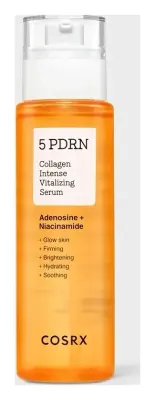
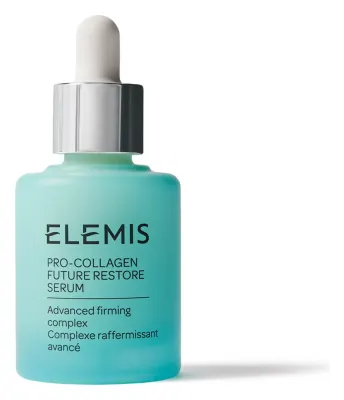
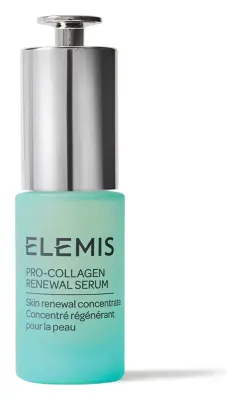
Anti-Aging & Retinoid Serums (3)
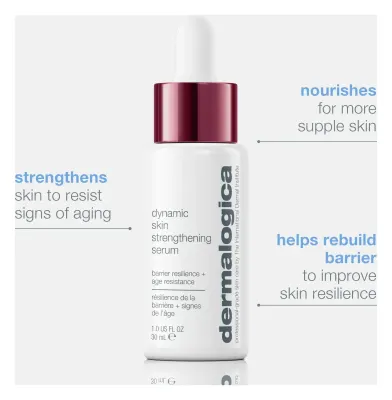
Dermatological Acne & Chemical Exfoliating Liquids (2)
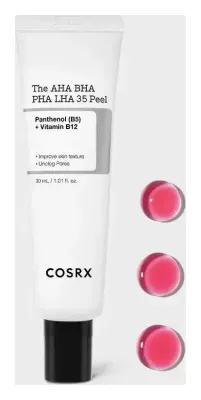

Premium Overnight Recovery Packs & Sleeping Facials (1)
Pimple Patches & Overnight Spot Treatments (1)
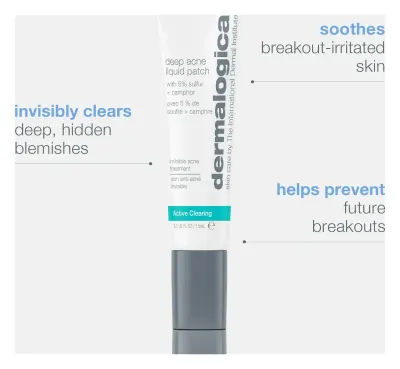
Gel, Foam & Cream Facial Cleansers (1)
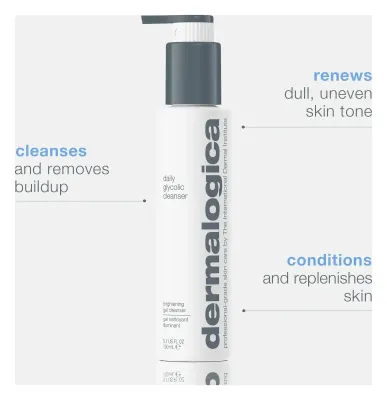
Body Creams, Butters & Body Oils (1)
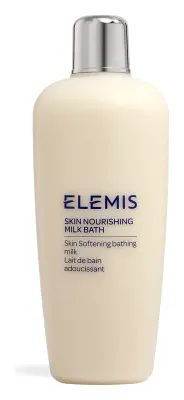
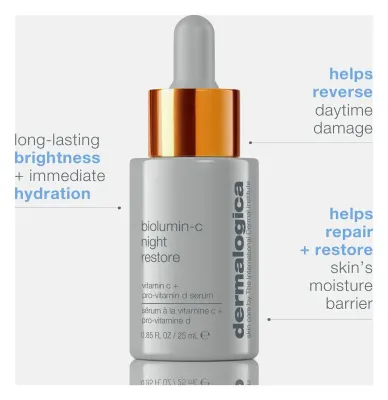
Targeted Vitamin C & Brightening Correctors (1)
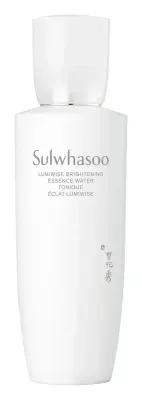
Hydrating Toners, Essence Waters & Face Mists (1)
Eye Creams & Under-Eye Patches (1)

Common questions
What does polyacrylate crosspolymer-6 do?
It is a synthetic thickener and stabilizer. It helps a watery formula develop a gel-like texture and can improve how smoothly it spreads.
Is polyacrylate crosspolymer-6 a plastic?
It is a synthetic polymer, but the name alone does not tell you its particle size, form, or whether it is a solid particle dispersed in a product. Do not assume it behaves like a plastic microbead.
Is polyacrylate crosspolymer-6 an active ingredient?
Usually not. It is mainly there to control the formula's consistency and feel, rather than to provide a direct skin-care benefit.
Is polyacrylate crosspolymer-6 natural?
No, it is a lab-made polymer. The material is chosen for its performance as a thickener and stabilizer in a formula.