Sodium Isethionate
What sodium isethionate does in shave creams and face washes, how it relates to sodium cocoyl isethionate, and who it suits.
No specific flag recordedIn 9 products we cover
We may earn a commission when you buy through links on this page. It never changes what we recommend.
Quick facts
- INCI name
- Sodium Isethionate
- CAS number
- 1562-00-1
- Origin
- Synthetic
- Chemical class
- Organic sulfonate salt
- Why it is in the formula
- Comes along with isethionate cleansers such as sodium cocoyl isethionate as part of the cleansing base.
- Regulatory notes
- The Cosmetic Ingredient Review panel concluded isethionate salts, including sodium isethionate, are safe in the present practices of use and concentration when formulated to be non-irritating.
What is Sodium Isethionate?
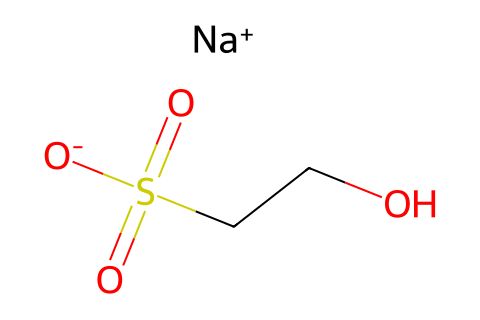
Sodium isethionate is the sodium salt of isethionic acid, also called 2-hydroxyethanesulfonic acid. It’s a small, water-soluble, lab-made molecule.
It’s closely related to sodium cocoyl isethionate, a mild cleansing agent. The difference is that sodium cocoyl isethionate has a fatty chain from coconut oil attached, and sodium isethionate doesn’t. On every product we cover that lists sodium isethionate, it appears together with sodium cocoyl isethionate, mostly in shave creams, plus some face washes and cleansing balms.
What does Sodium Isethionate do?
- Supports the cleansing system. It usually comes with isethionate surfactants and forms part of the cleansing base.
- Isn’t a surfactant on its own. The safety review lists the other isethionate salts as surfactants but assigns sodium isethionate no cleansing function, because it lacks the fatty, oil-grabbing part.
- Dissolves easily in water. It’s a small salt, so it rinses away with the rest of the cleanser.
It’s a helper ingredient. It isn’t there to do anything to your skin directly.
Who is Sodium Isethionate for?
It suits most skin types. You’ll most often see it in shave creams and cleansers built on isethionate surfactants. The safety review concluded isethionate salts are safe as used when formulated to be non-irritating.
Any cleanser can leave skin tight if it’s strong or left on too long. If your skin feels dry or itchy after washing, look at the whole formula, rinse with lukewarm water and follow with a moisturizer. Talk to a dermatologist about a reaction that doesn’t settle.
What to pair Sodium Isethionate with, and what to avoid
There’s nothing to pair in your routine. Use the cleanser as directed and follow with your usual moisturizer. If you double cleanse, an isethionate-based wash works as the second step; the double cleansing guide explains how.
Quick picks with Sodium Isethionate
Best fragrance-free pick
No scent or sensitivity flags recorded in our glossary
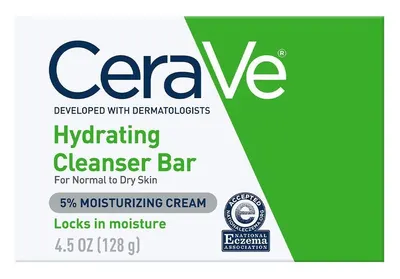
CeraVe Hydrating Cleanser Bar
normal, dry skin · no scent flags recorded
Best for dry skin
Brand lists it for dry skin
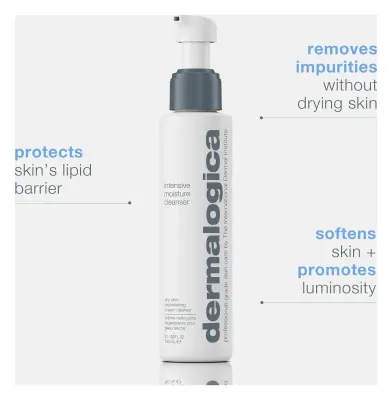
Dermalogica Intensive Moisture Cleanser
Ceramide NP, phytosterols, shea butter, murumuru seed butter, and conditioning oils · dry, normal skin · scent ingredients flagged
Most covered in our guides
Featured in our guides
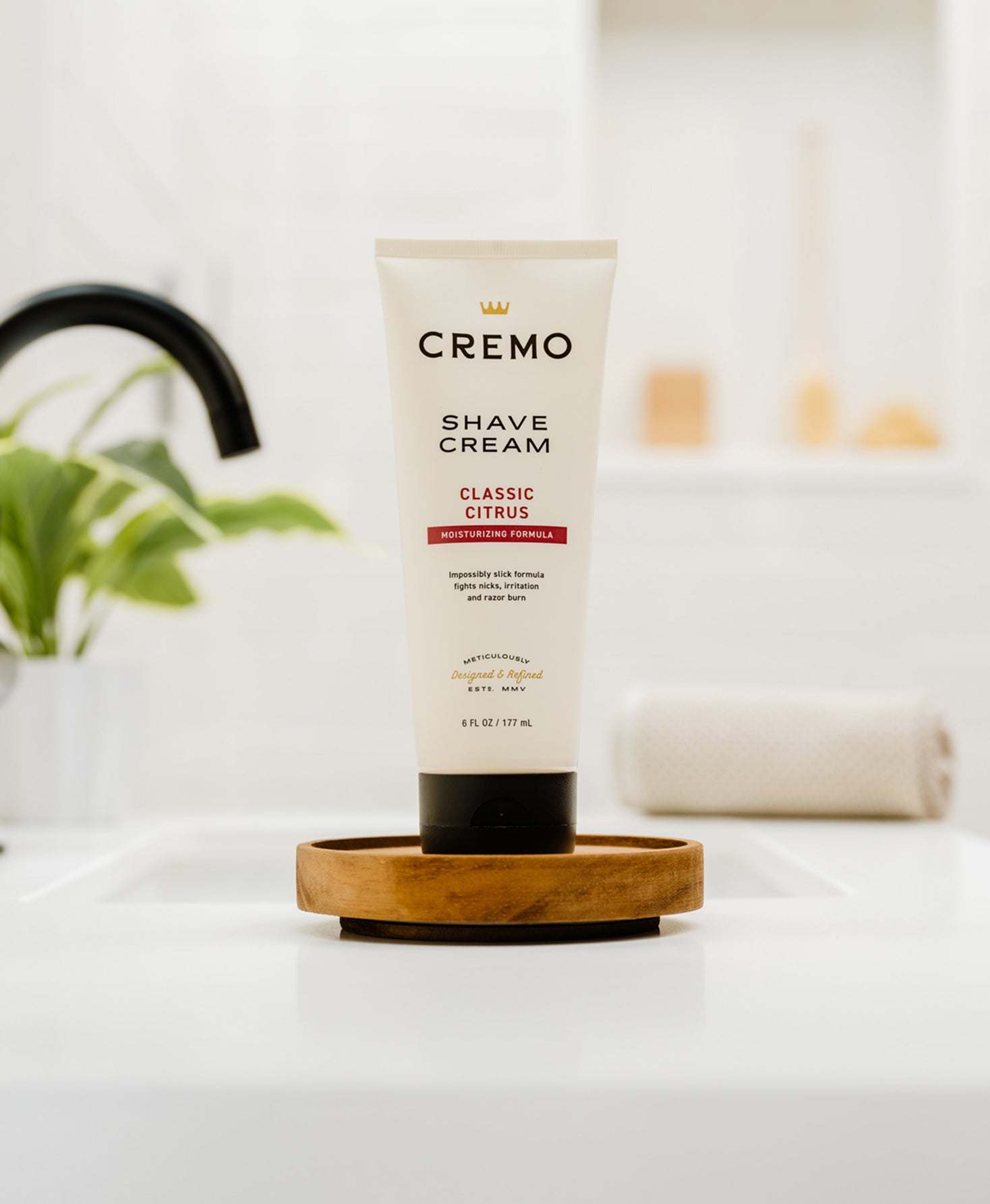
Cremo Original Shave Cream
scent ingredients flagged
All 9 products with Sodium Isethionate
Shaving Creams, Gels & Oils (5)
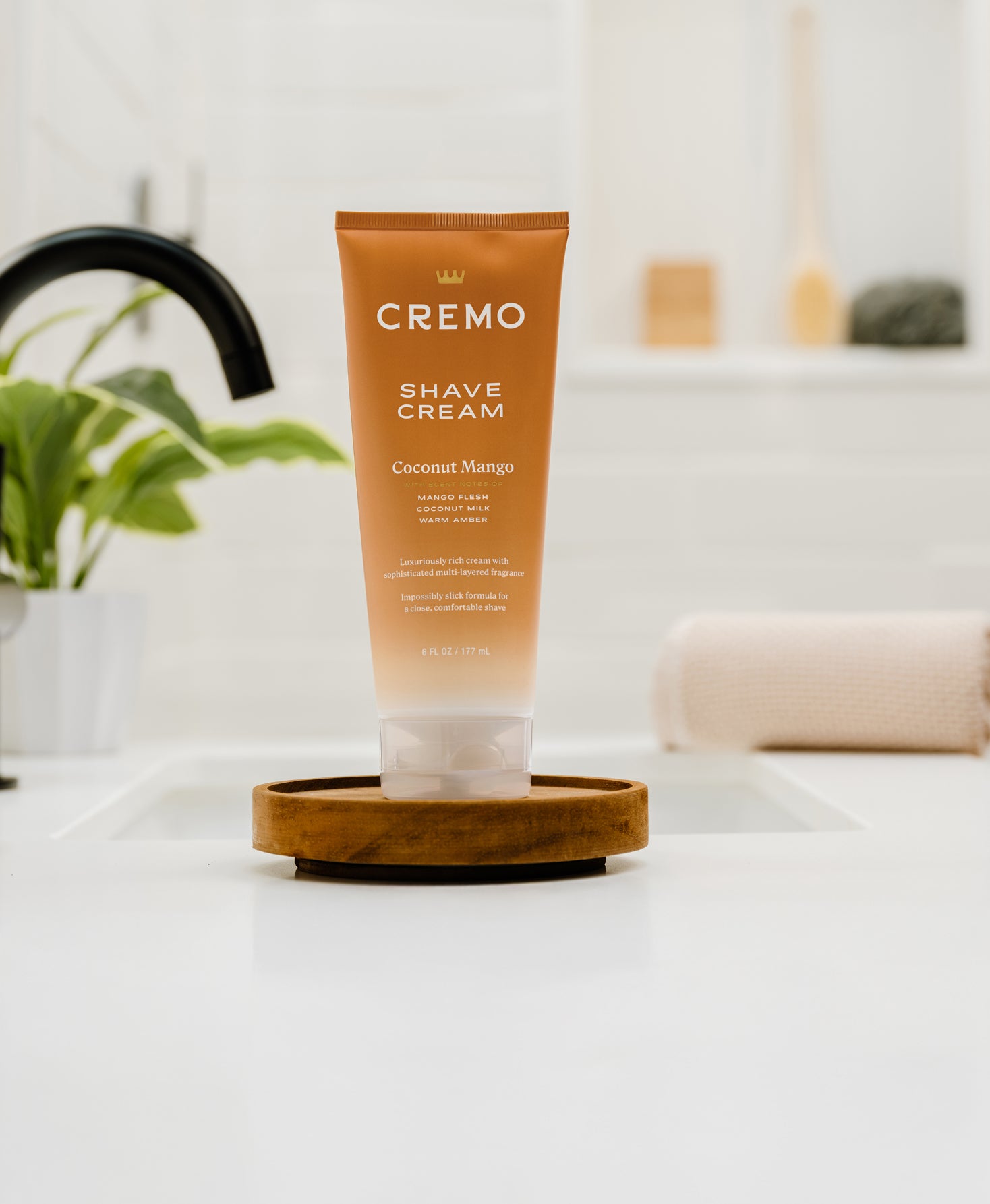
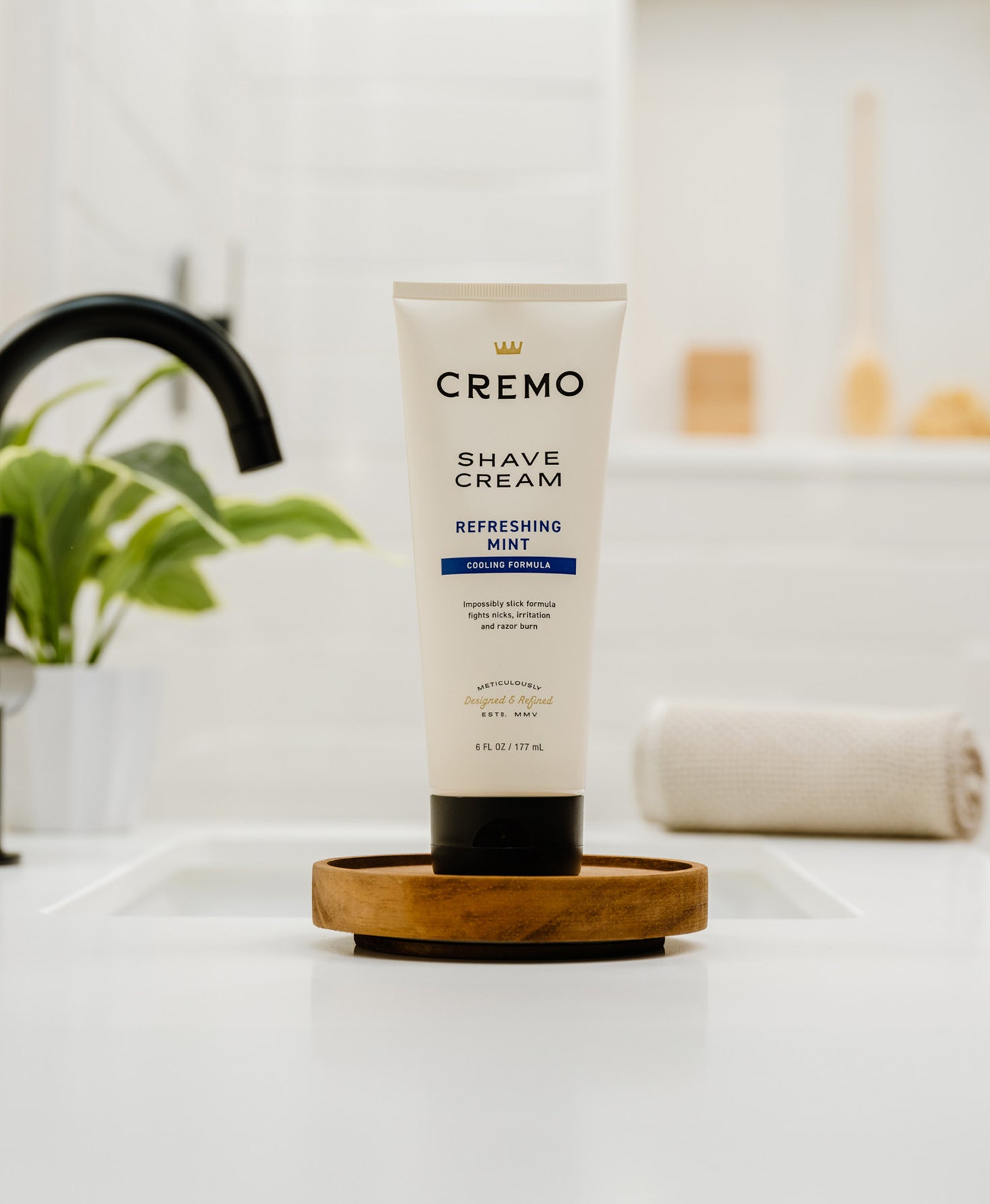
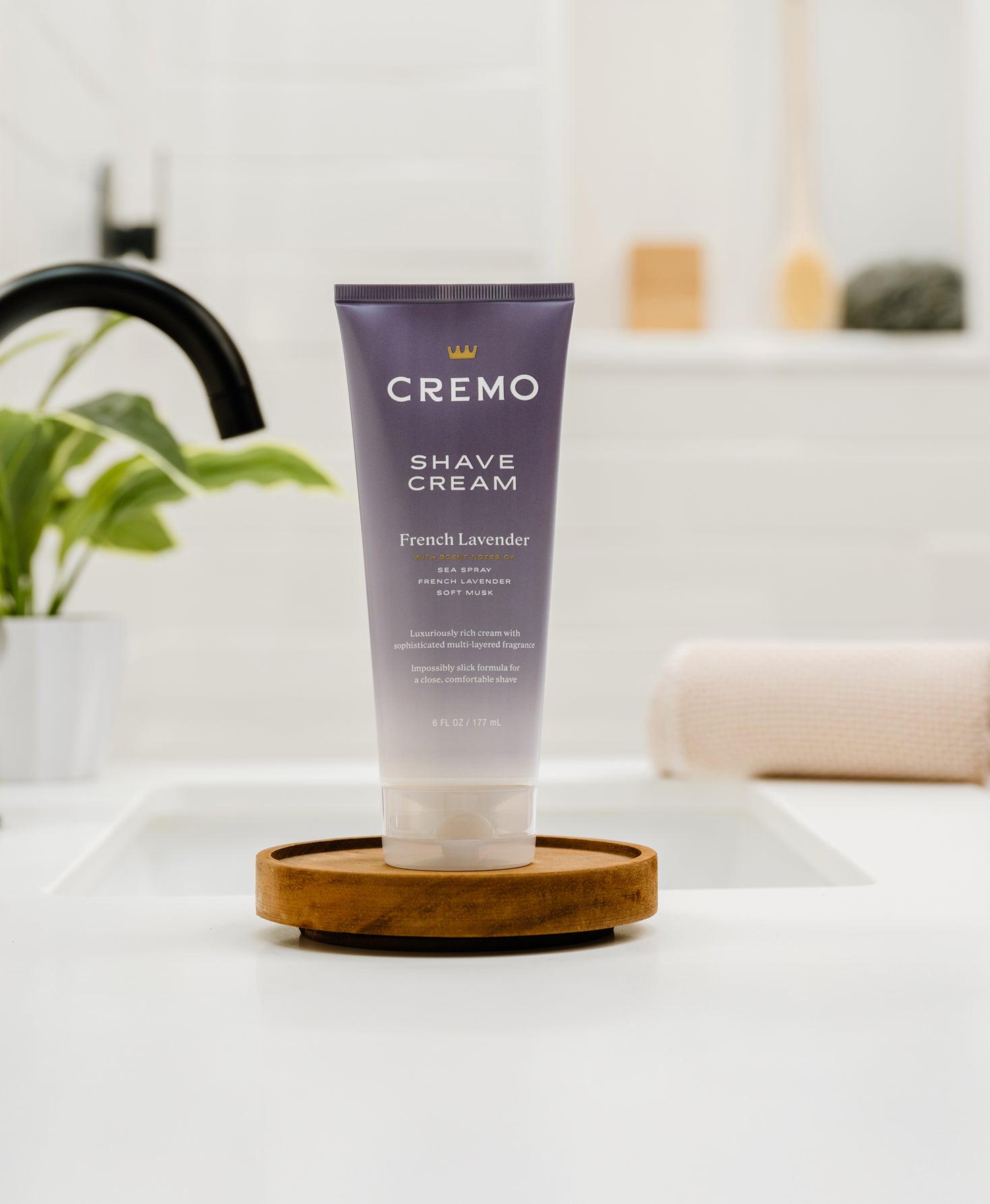
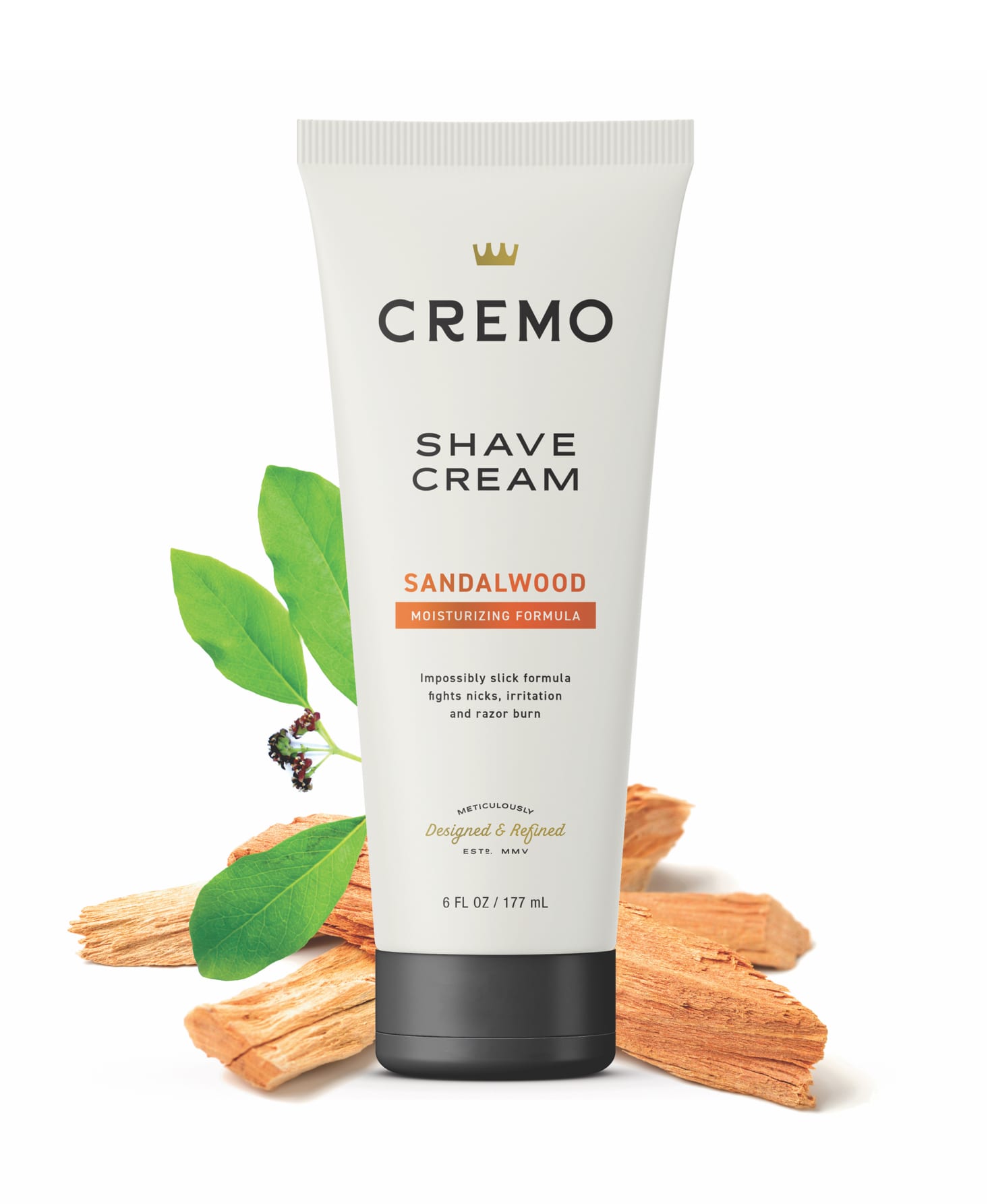
Gel, Foam & Cream Facial Cleansers (2)
Beard Oils, Balms & Beard Washes (1)
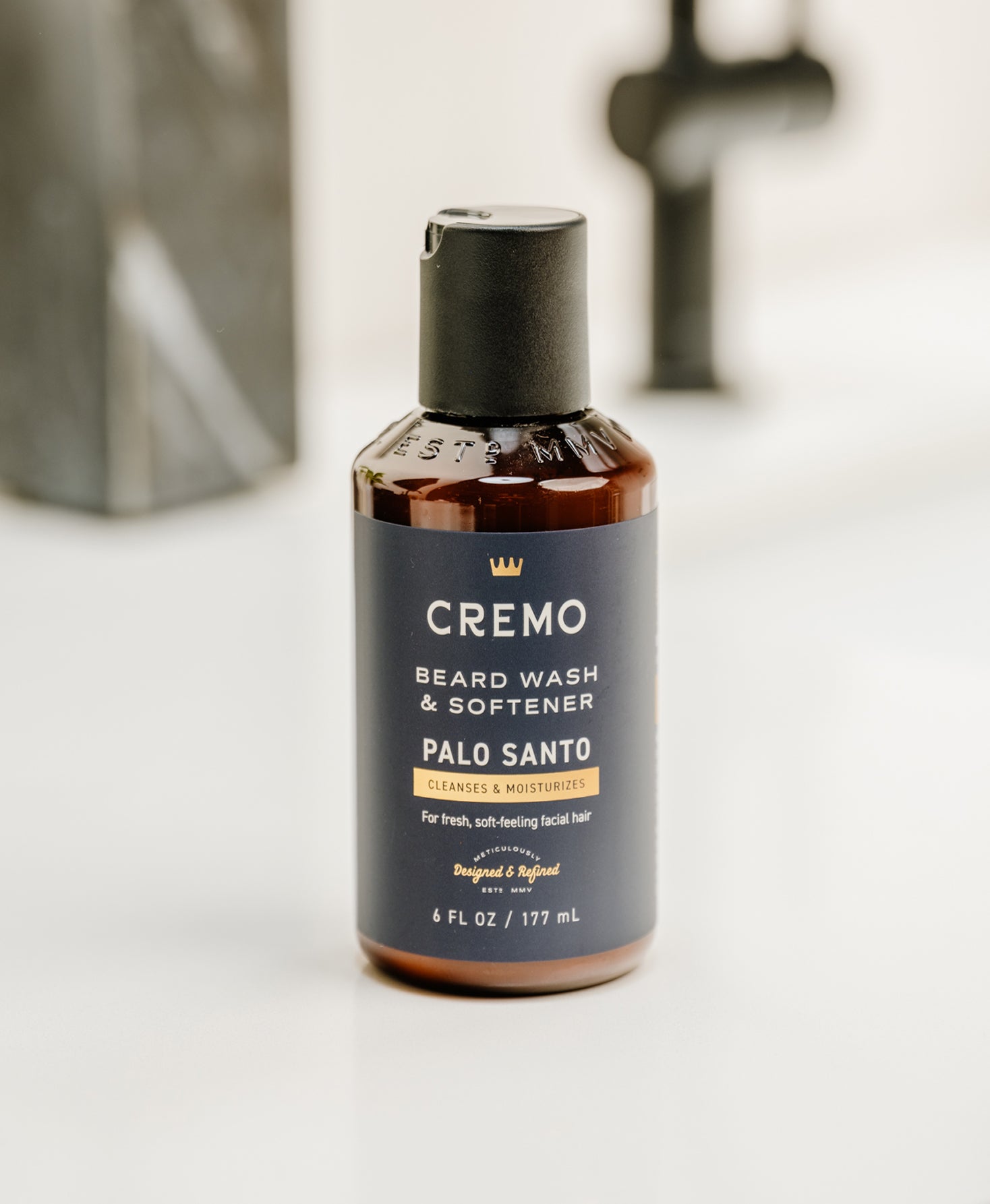
Double-Cleansing Balms & Melting Gels (1)
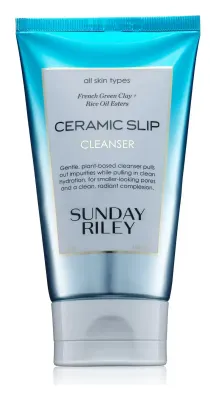
Common questions
What is sodium isethionate?
It's the sodium salt of isethionic acid, a small, water-soluble molecule. Unlike sodium cocoyl isethionate, it has no fatty chain, so it isn't a cleansing agent on its own.
Why is sodium isethionate in my shave cream or face wash?
On every product we cover that lists it, it appears alongside sodium cocoyl isethionate, a mild cleansing agent. It's part of that cleansing system rather than an active ingredient.
Is sodium isethionate harsh?
A cosmetic safety panel concluded isethionate salts are safe as used when formulated to be non-irritating. How a cleanser feels depends on the full blend of surfactants and how you use it.