Stearyl Alcohol
Stearyl alcohol is a fatty alcohol, not the drying kind. Learn what it does in creams and why its source can vary.
Extremely safeIn 12 products we cover
We may earn a commission when you buy through links on this page. It never changes what we recommend.
Quick facts
- INCI name
- Stearyl Alcohol
- CAS number
- 112-92-5
- Origin
- Plant-derived or Animal-derived or Synthetic
- Chemical class
- Fatty alcohol
- What it does in a formula
- emollient, viscosity controlling, emulsion stabilizing
- Why it is in the formula
- Thickens creams and adds a soft, cushiony feel while helping stabilize the oil-and-water blend.
What it is
Far from being a harsh or drying solvent, stearyl alcohol is a solid, waxy fatty alcohol that softens skin and adds rich body to cosmetic creams. Unlike fast-evaporating alcohol denat., this long-chain fatty substance functions as an emollient and emulsion stabilizer.
Stearyl alcohol can be made from plant oils, animal fats, or synthetic sources. Manufacturers often use fatty acids from vegetable oils, but the ingredient list usually does not identify the source. If vegan status or a particular source matters to you, ask the manufacturer. You may find stearyl alcohol in lotions, creams, conditioners, and makeup where a richer texture is useful.
What it does
- Softens skin. It is an emollient that helps smooth the skin’s surface.
- Thickens creams. Its waxy character gives a formula more body and a cushiony feel.
- Stabilizes emulsions. It can help oil and water remain blended in a cream or lotion.
- Improves spread. It contributes to a richer, less runny product texture.
Who it suits
Stearyl alcohol may suit dry skin or anyone who likes a richer cream. Some people with oily or acne-prone skin may find thick formulas too heavy, but that is a property of the whole product and not proof that stearyl alcohol will clog pores. Ingredient-only comedogenic ratings are unreliable, so choose based on the formula’s feel and how it works for you.
If you have sensitive skin, patch-test a new product. A small number of people can react to fatty alcohols, but their presence does not make them inherently drying. If you know you react to a product containing stearyl alcohol, check the full list and ask a dermatologist for help identifying a recurring trigger. Consider source questions separately from skin feel: plant, animal, and synthetic origins can all occur.
What to pair it with, and what not to
Stearyl alcohol is usually blended with water, oils, and emulsifiers inside a cream. It pairs naturally with humectants such as glycerin and barrier-supporting ceramides, but it does not need an extra step. If rich products feel heavy, use a lighter moisturizer rather than trying to balance the texture with an active.
Skin Realist check: The word alcohol is doing a lot of misleading work here. Context is the better label reader.
Quick picks with Stearyl Alcohol
Scent-free, no patch-test flags on the label
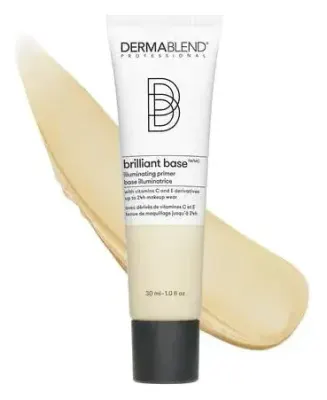
Dermablend Brilliant Base™ Illuminating Primer
scent-free label
AmazonBrand lists it for sensitive skin
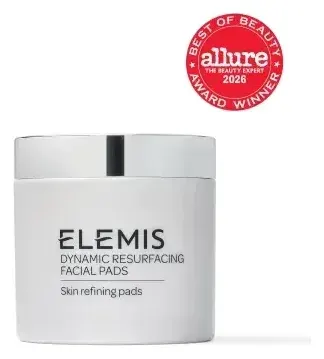
Dermalogica multivitamin power recovery masque
Vitamins A, C, and E; linoleic acid; algae extract; pro-vitamin B5 · dry, combination, normal, oily, sensitive skin · scented
AmazonFeatured in our guides
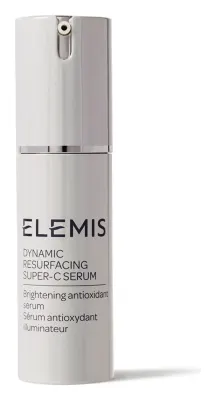
Elemis Dynamic Resurfacing Super-C Serum
Sodium ascorbyl phosphate, papain, protease, subtilisin, and rosemary leaf extract · scented
Amazon

All 12 products with Stearyl Alcohol
Gel, Foam & Cream Facial Cleansers (3)

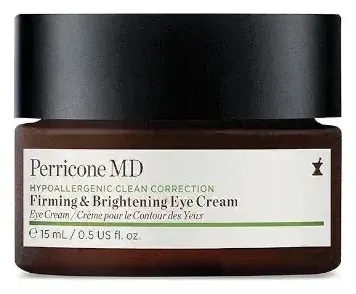
Eye Creams & Under-Eye Patches (2)

Targeted Vitamin C & Brightening Correctors (1)
Dermatological Acne & Chemical Exfoliating Liquids (1)
Cream & Gel Treatment Masks (1)
Intensive Lip Recovery Masks & Tinted Balms (1)
Mineral Pressed Powders & Skin-Nourishing Primers (1)
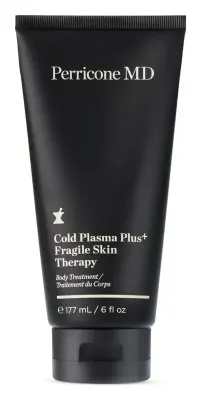
Body Creams, Butters & Body Oils (1)
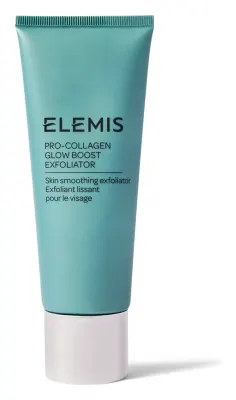
Physical & Enzyme Face Exfoliants (1)
Common questions
Is stearyl alcohol drying?
Stearyl alcohol is a fatty alcohol, not a drying alcohol like alcohol denat. It is waxy and commonly used to soften and thicken creams.
What does stearyl alcohol do in skincare?
It helps make creams thicker and more stable, and can leave skin feeling soft. It is a helper ingredient rather than a treatment active.
Is stearyl alcohol natural?
It can be made from plant-derived fatty acids, animal-derived fats, or synthetic sources. The ingredient list rarely tells you which source was used.
Is stearyl alcohol comedogenic?
Old comedogenicity ratings do not reliably predict how a finished product will behave. The whole formula and your skin matter more than an ingredient score.