Tea Tree Oil
What tea tree oil does in skincare, why dilution and patch-testing matter, and how it differs from a plain moisturizer.
Probably fineIn 12 products we cover
We may earn a commission when you buy through links on this page. It never changes what we recommend.
What it is
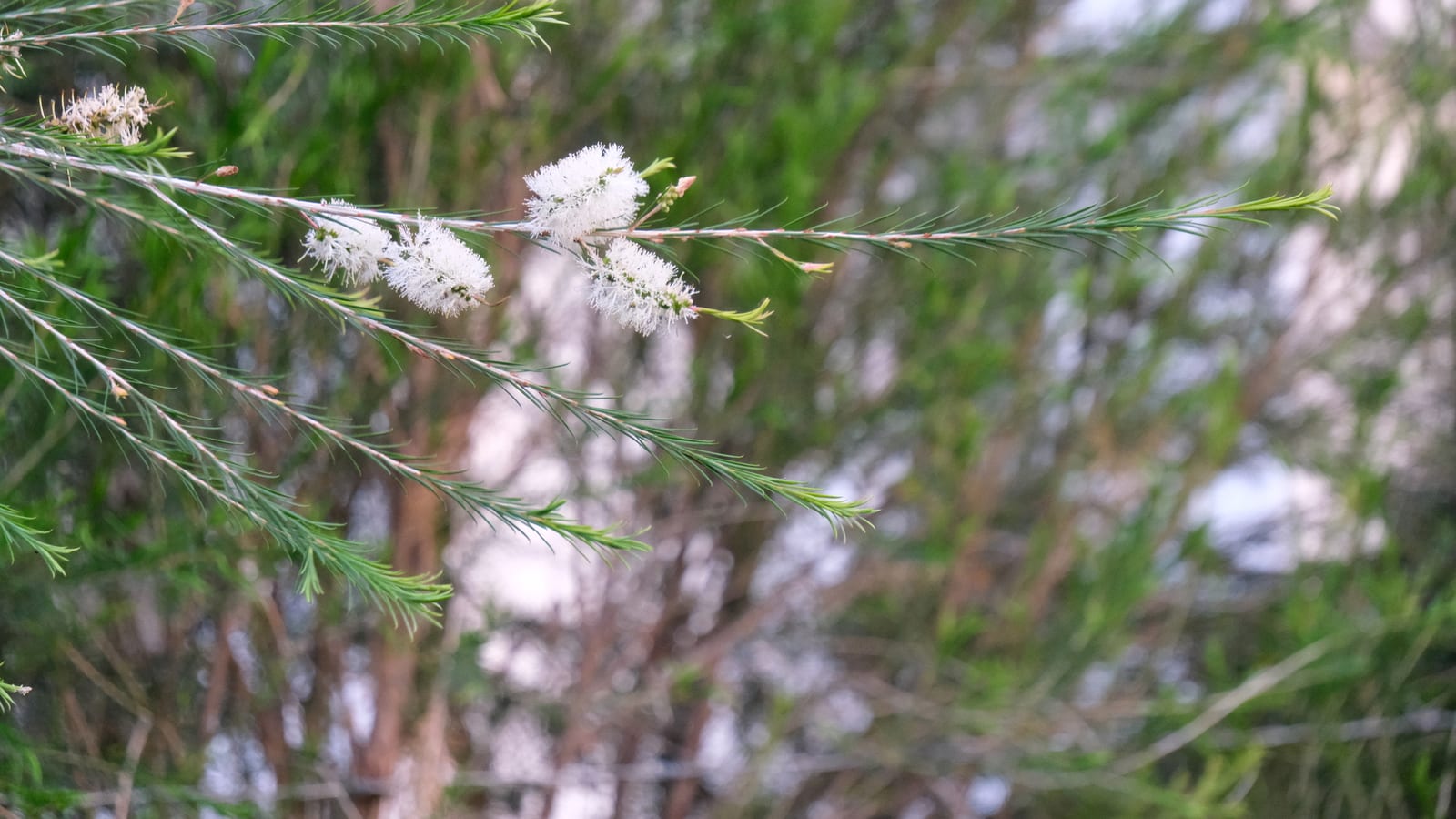
Tea tree oil is a volatile essential oil distilled from the leaves of Melaleuca Alternifolia, a tree native to Australia. Ingredient labels commonly call it Melaleuca Alternifolia Leaf Oil. It is distinct from tea plant extracts used in beverages or skincare, and it is not the same as green tea. Tea tree oil may appear in cleansers, spot products and other formulas. The amount and the rest of the formula vary from product to product, so a label match does not mean every item contains the same concentration.
What it does
- Adds a fragrant essential oil. Tea tree has a distinctive herbal, medicinal scent and can serve a sensory or formulation role.
- Is studied in blemish-focused products. Some research has examined properly formulated tea tree oil products for blemish-prone skin, but results depend on concentration and vehicle.
- Can irritate or sensitize. Essential oils are not automatically gentle because they come from plants; tea tree oil can trigger irritation or allergic contact reactions, particularly when concentrated or oxidized.
Who it suits
If you are considering a tea-tree product, choose one formulated for skin and follow its directions. Patch-test first, especially if you have sensitive or reactive skin. Never apply undiluted essential oil to your face or use it as a do-it-yourself spot treatment; concentrated oil may cause significant irritation, and improvised dilution is easy to get wrong. Do not apply it near the eyes, on broken skin or inside the nose or mouth. The ingredient is optional, and a simple cleanser and moisturizer may be a better fit if strong scents or botanicals tend to bother you. If you have ongoing, painful or scarring breakouts, a dermatologist can help you choose evidence-based care.
What to pair it with, and what not to
A finished tea-tree product can be used with basic moisturizer and sunscreen if its directions allow. Avoid layering it with several potentially irritating products, such as strong exfoliating acids, benzoyl peroxide or retinol, until you know how your skin responds. This is a caution about cumulative irritation, not a claim that the ingredients chemically cancel each other out. Do not use undiluted oil, and do not depend on it to make another active more tolerable. Introduce one new product at a time, stop if a reaction develops and seek medical advice for a persistent rash.
Skin Realist check: Essential oil is not a dare. Your routine can skip the tingle, the strong scent and the experiment with undiluted drops.
Quick picks with Tea Tree Oil
Scent-free, no patch-test flags on the label
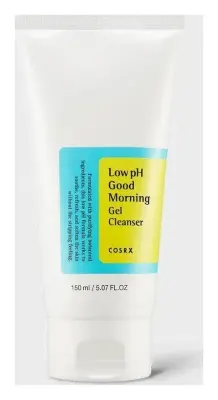
COSRX Low pH Good Morning Gel Cleanser
scent-free label
AmazonBrand lists it for sensitive skin
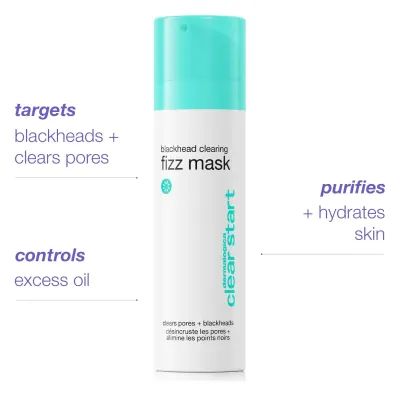
Dermalogica blackhead clearing fizz mask
Sulfur 3.0%; kaolin clay · oily, dry, combination, sensitive, normal skin · scented
AmazonBrand lists it for oily skin
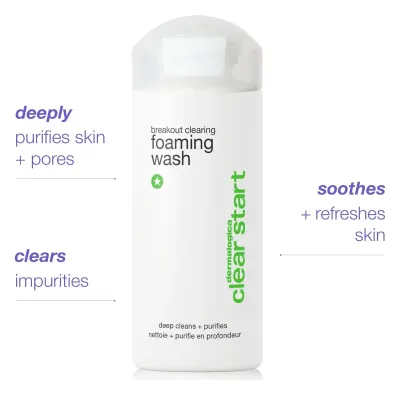
Dermalogica breakout clearing foaming wash
Tea tree leaf oil, oleanolic acid, and licorice root extract · dry, oily, combination, sensitive, normal skin · scented
Amazon
All 12 products with Tea Tree Oil
Sheet, Hydrogel & Clay Masks (3)
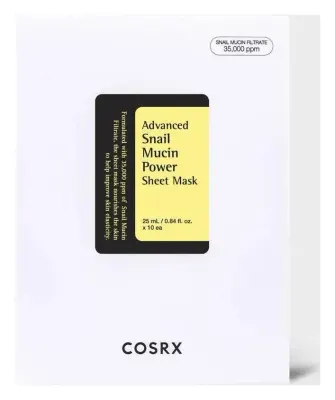
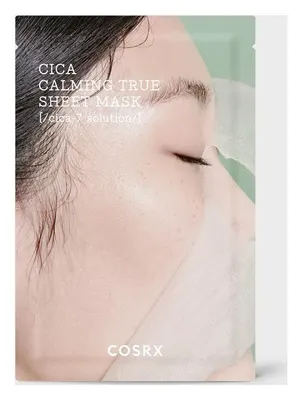
Body Creams, Butters & Body Oils (3)
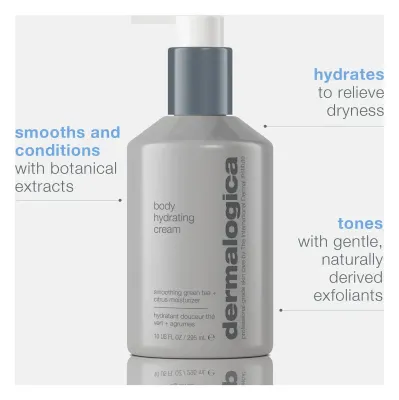
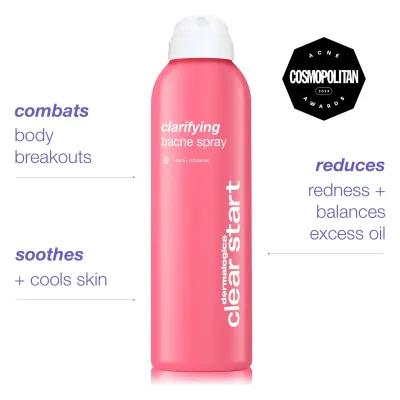
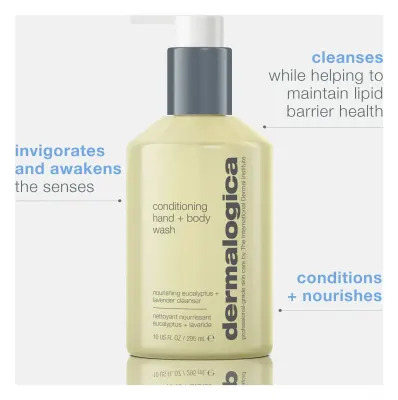
Pimple Patches & Overnight Spot Treatments (2)
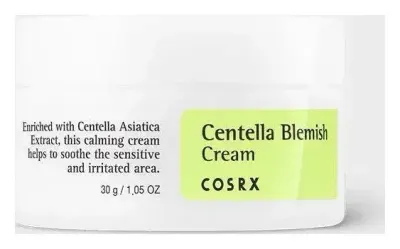
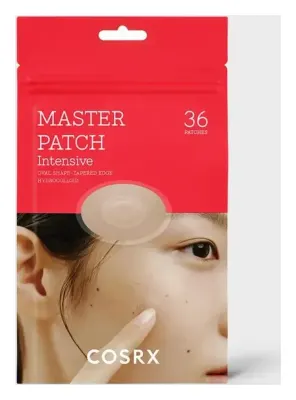
Premium Double-Cleansing Balms & Melting Gels (1)
Gel, Foam & Cream Facial Cleansers (1)
Dermatological Acne & Chemical Exfoliating Liquids (1)
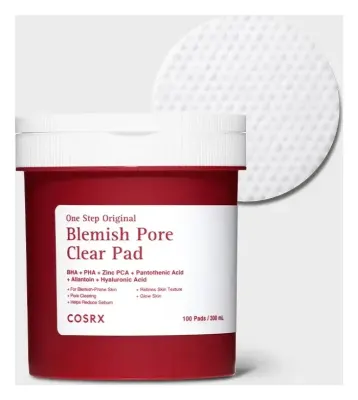
Daily Moisturizers & Water Gel Creams (1)
Common questions
What is tea tree oil in skincare?
Tea tree oil is an essential oil distilled from Melaleuca Alternifolia leaves. It may be listed as Melaleuca Alternifolia Leaf Oil and is used in some cleansers and leave-on products. The concentration and formula vary, so check the product label rather than judging by the ingredient name alone.
Can you apply tea tree oil directly to skin?
Do not apply undiluted tea tree essential oil directly to skin. Concentrated essential oil can irritate or cause a sensitizing reaction, and dilution must be appropriate for the intended cosmetic use. A finished product formulated for skin is a more controlled way to encounter the ingredient.
Does tea tree oil help with blemishes?
Tea tree oil has been studied in products for blemish-prone skin, but evidence and outcomes depend on the formulation. It can irritate skin, so it is not a guaranteed or risk-free spot treatment. Persistent or painful acne is best discussed with a dermatologist.
Should I patch-test tea tree oil?
Yes, patch-test a finished product before broader use, especially if your skin is reactive or you have not used it before. Avoid using it undiluted, and stop if you notice burning, rash or worsening irritation. Keep essential oils away from eyes and broken skin.