Green Tea
What green tea does in skincare, who it suits, how to pair it, and what to know about tea extracts.
Extremely safeIn 47 products we cover
We may earn a commission when you buy through links on this page. It never changes what we recommend.
What it is
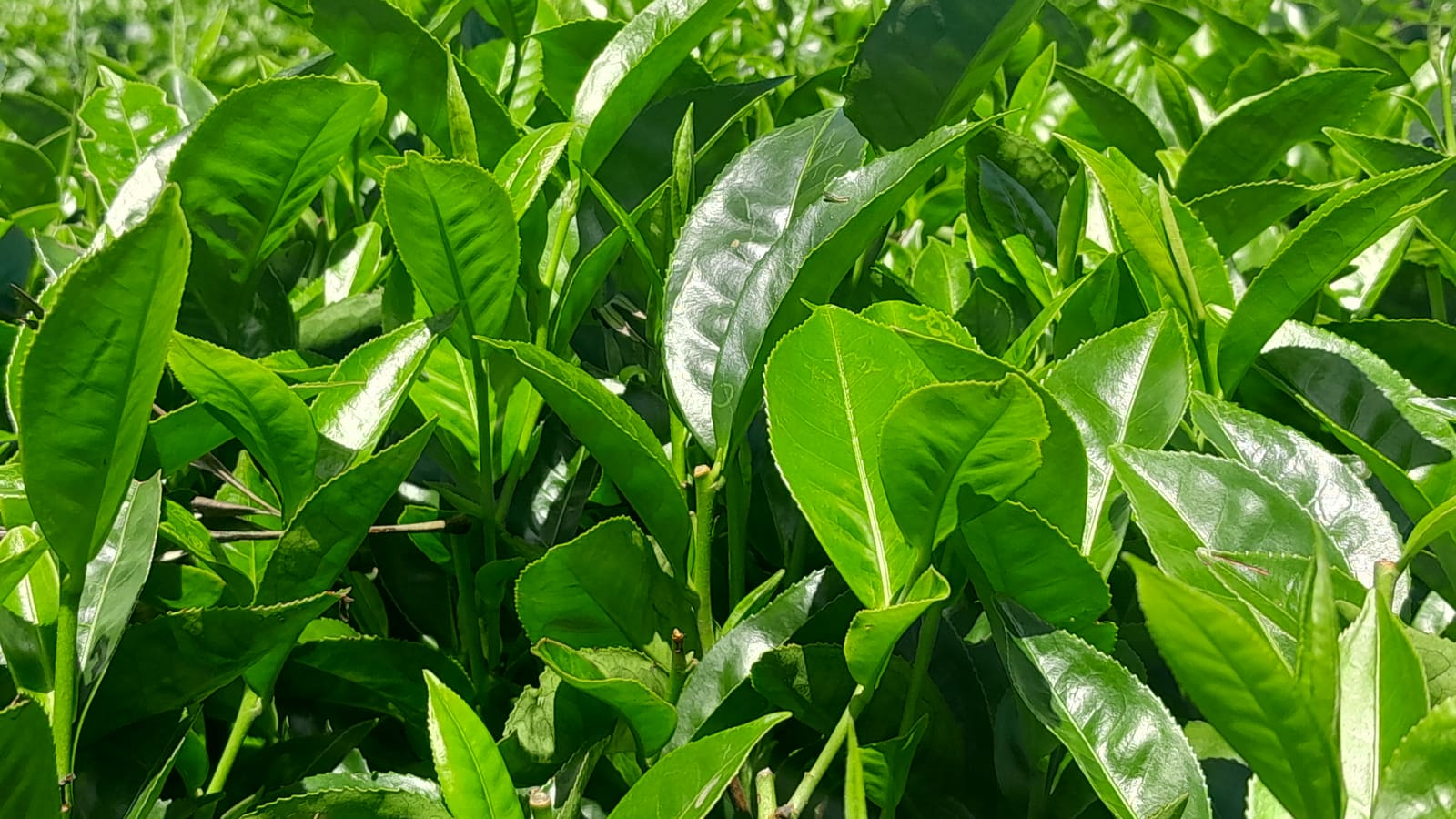
Green tea in skincare generally refers to an ingredient from Camellia sinensis, the same plant used to make tea. You may see it on an ingredient list as Camellia Sinensis Leaf Extract or another tea-derived name. The cosmetic ingredient is not simply brewed tea poured into a bottle; it is prepared for use in a finished formula.
Green tea extract appears in serums, moisturizers, toners and masks. The amount and type of extract can vary a lot between products, so effects vary. A formula may emphasize it, or include it as one of many plant ingredients. The name alone does not tell you the concentration, the extraction process or how the whole product will feel on your skin.
What it does
- Conditions skin. Green tea extract is used in cosmetics to condition the skin and contribute to a comfortable feel.
- Is studied for antioxidant properties. Tea leaves contain compounds that have been studied for antioxidant activity, but this does not guarantee a specific visible result from every product.
- Works within the whole formula. Moisturizers and other ingredients in the product can have more influence on its texture and everyday use than the tea extract alone.
Who it suits
Green tea can be found in products for many skin types, including lightweight formulas marketed toward oily or combination skin. That does not mean every green tea product will feel light: the base formula and other ingredients determine whether it is a gel, lotion, cream or something else. Pick a texture you will use consistently.
If your skin is reactive, check for fragrance and other botanical extracts in addition to green tea, then patch-test the finished product. If you are dealing with a persistent concern, ask a dermatologist. An antioxidant ingredient is not a substitute for care from a professional or for sunscreen.
What to pair it with, and what not to
Green tea can be used with ordinary moisturizer and ingredients such as niacinamide, vitamin C or hyaluronic acid. There is no special pairing you have to build around it. Keep your routine simple enough to notice if a new formula is not agreeing with your skin, and apply sunscreen as directed during the day.
Skin Realist check: Green tea belongs in a cup or a cream, depending on your morning. Neither choice needs a complicated routine around it.
How it appears on labels: Camellia Sinensis Leaf Extract; Camellia Sinensis (Green Tea) Leaf Extract; Camellia Sinensis Seed Oil; Camellia Sinensis (White Tea) Leaf Extract; Camellia Sinensis Leaf Powder; Camellia Sinensis (White Tea) Leaf Extract*; Camellia Sinensis Leaf Water; Camellia Sinensis Seed Extract; Camellia Sinensis Leaf; Camellia Oleifera (Green Tea) Leaf Extract; Camellia Sinensis (Green Tea) Leaf Extract*; Camellia Sinensis (Tea) Leaf Extract; Camellia Sinensis; CAMELLIA SINENSIS (GREEN TEA) LEAF POWDER
Quick picks with Green Tea
Scent-free, no patch-test flags on the label
Laneige Balance Mode Shine Control Weightless Moisturizer
Rice bran water, niacinamide, squalane, madecassoside, and rice ferment · oily, combination, sensitive, normal skin · scent-free label
AmazonBrand lists it for sensitive skin
Laneige Cream Skin Milky Toner with Ceramides & Peptides for Nourishing Hydration
Ceramide and peptide complex; White Leaf Tea · oily, dry, combination, sensitive, normal skin · scent-free label
AmazonBrand lists it for oily skin
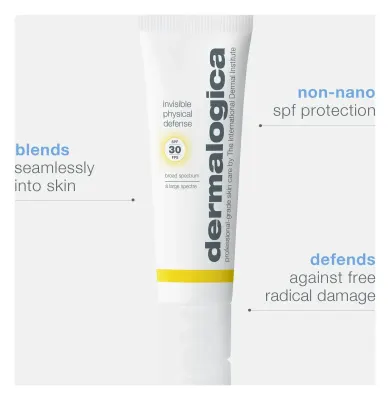
Dermalogica invisible physical defense mineral sunscreen spf30
Zinc oxide, Bio-Active Mushroom Complex, Green Tea, and Hyaluronic Acid · oily, dry, combination, sensitive, normal skin · scented
Amazon
All 47 products with Green Tea
Daily Moisturizers & Water Gel Creams (7)
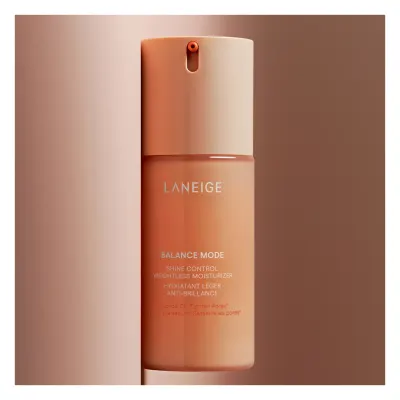 Laneige Balance Mode Shine Control Weightless MoisturizerAmazon
 Dermalogica biolumin-c vitamin c gel moisturizerAmazon
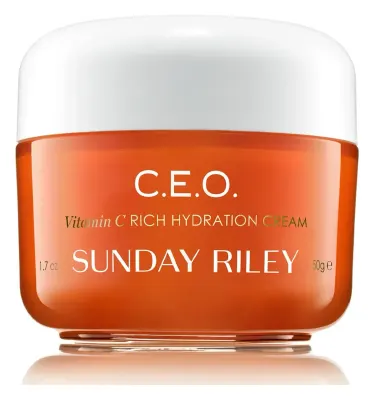 Sunday Riley C.E.O. Vitamin C Rich Hydration CreamAmazon
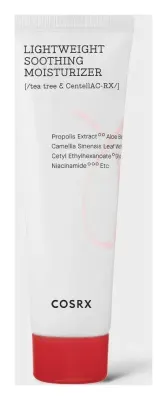 COSRX AC Collection Lightweight Soothing MoisturizerAmazon
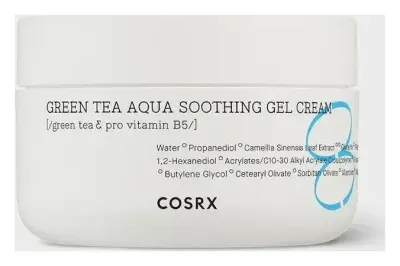 COSRX Hydrium Green Tea Aqua Soothing Gel CreamAmazon
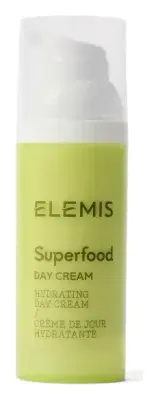 Elemis Superfood Day CreamAmazon
 Elemis Superfood Glow Priming MoisturiserAmazon
Hydrating Toners, Essence Waters & Face Mists (7)
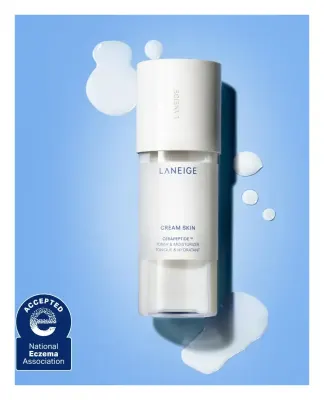 Laneige Cream Skin Milky Toner with Ceramides & Peptides for Nourishing HydrationAmazon
 Dermalogica antioxidant hydramistAmazon
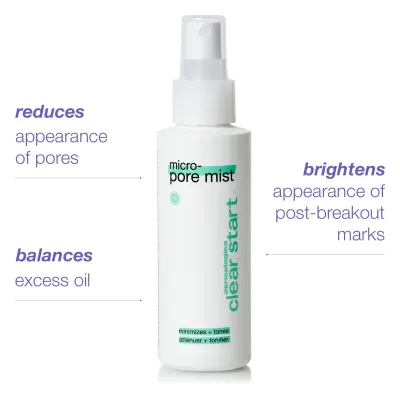 Dermalogica micro-pore mistAmazon
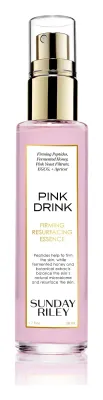 Sunday Riley Pink Drink Firming Resurfacing EssenceAmazon
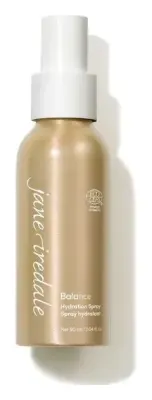 Jane Iredale Balance Hydration SprayAmazon
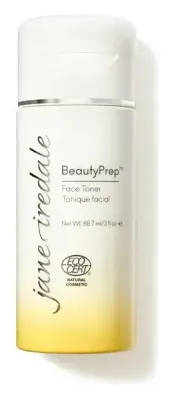 Jane Iredale BeautyPrep Face TonerAmazon
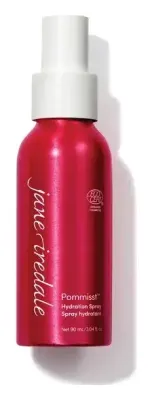 Jane Iredale Pommisst Hydration SprayAmazon
High-Definition Camouflage Concealers (6)
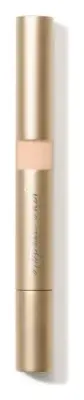

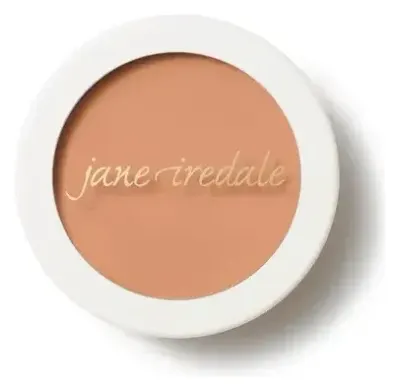
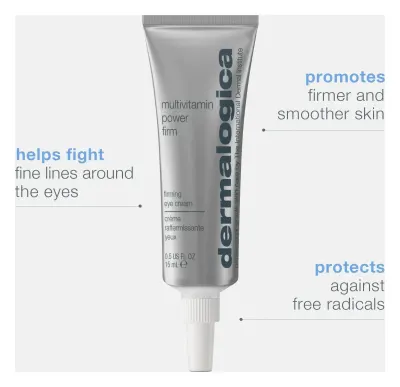
Eye Creams & Under-Eye Patches (4)



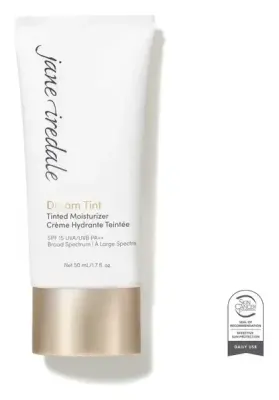
Daily Sunscreens & SPF Moisturizers (3)
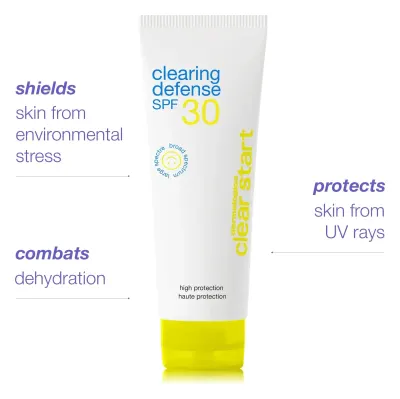
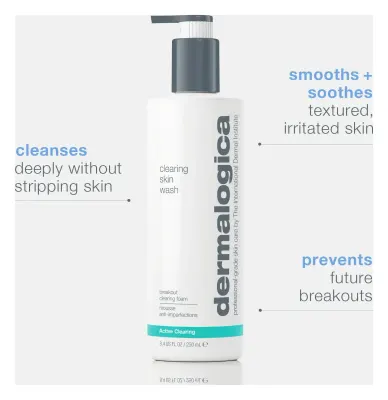
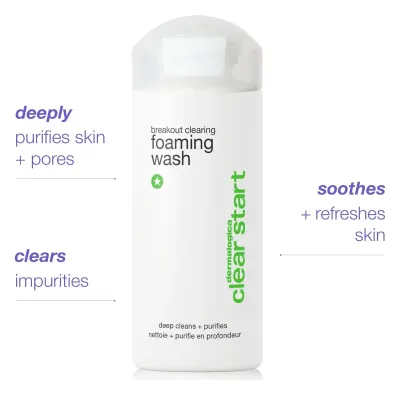
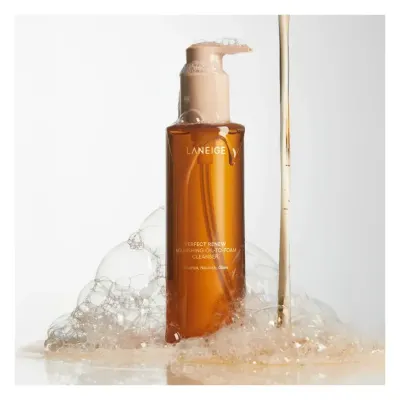
Gel, Foam & Cream Facial Cleansers (3)
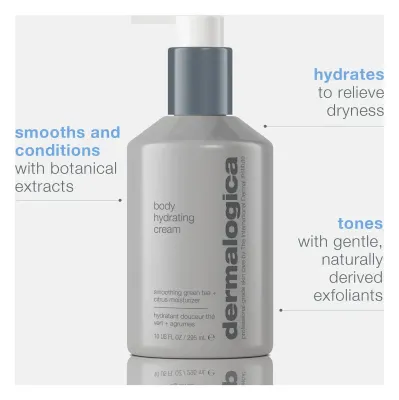
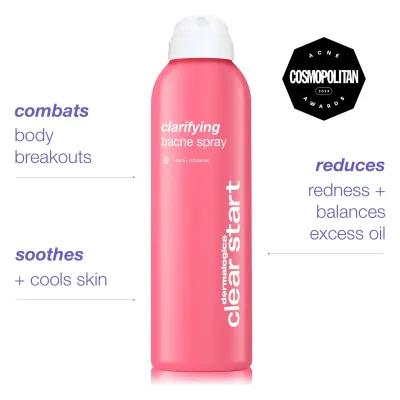
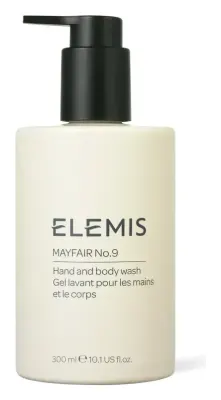
Body Creams, Butters & Body Oils (3)
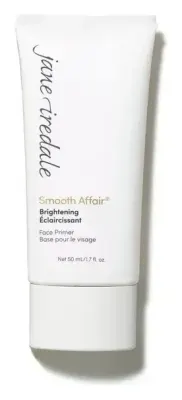
Mineral Pressed Powders & Skin-Nourishing Primers (2)
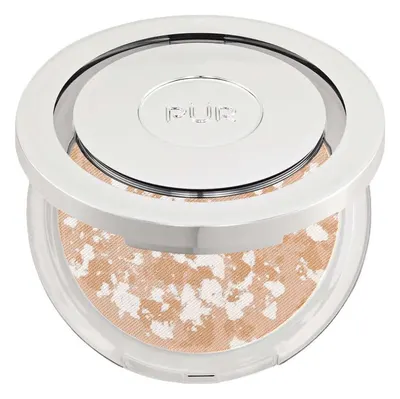
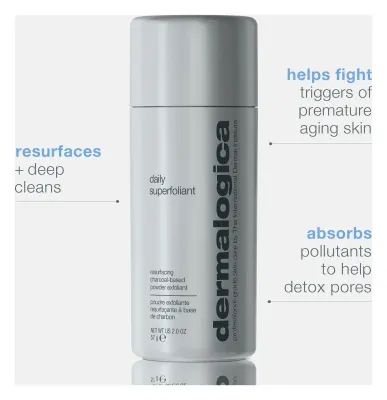
Physical & Enzyme Face Exfoliants (2)
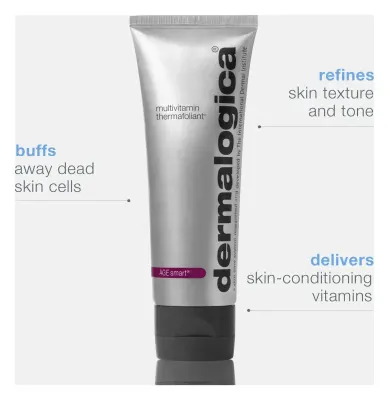
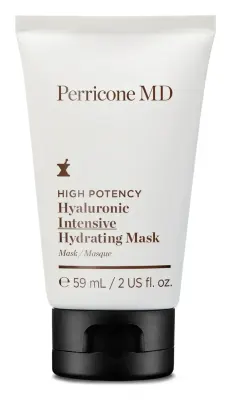
Cream & Gel Treatment Masks (2)

Full-Coverage Camouflage & Liquid Foundations (2)
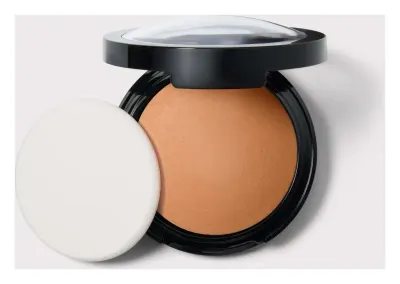
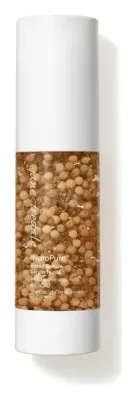
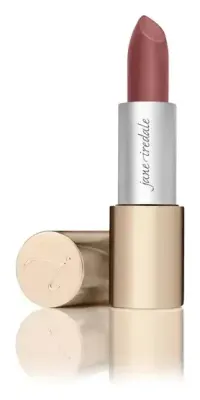
Lipsticks, Glosses & Lip Liners (2)
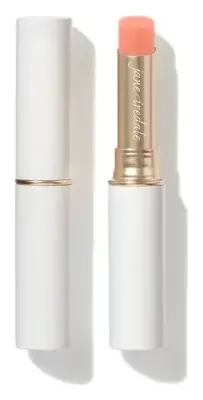
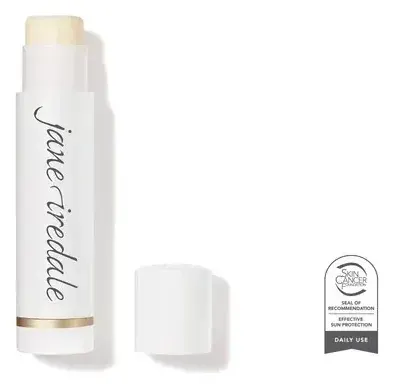
Intensive Lip Recovery Masks & Tinted Balms (1)
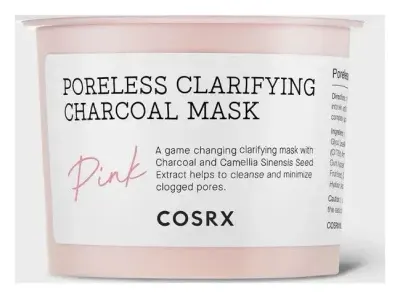
Sheet, Hydrogel & Clay Masks (1)
Premium Double-Cleansing Balms & Melting Gels (1)
Hydrating Serums, Essences & Ampoules (1)

Common questions
What is green tea in skincare?
Green tea skincare ingredients usually come from the leaves of Camellia sinensis, the tea plant. The label may list a leaf extract or another plant-derived ingredient. It is not the same thing as drinking green tea.
What does green tea do for skin?
Green tea extract is used as a skin-conditioning ingredient and is studied for antioxidant properties. In a finished product, what you notice depends on the type and amount of extract and the rest of the formula. It does not replace a sunscreen or treat a skin condition.
Is green tea good for oily skin?
Green tea appears in products aimed at oily and combination skin, but the extract itself does not guarantee an oil-control effect. The whole formula, especially its base and texture, matters. Choose products based on how they feel on your skin.
Can you use green tea with vitamin C?
Yes, green tea and vitamin C can be used together. Both may appear in antioxidant-focused formulas, but there is no need to combine multiple products if one suits your routine. Add new products gradually and use sunscreen as directed.