Thioctic Acid
What thioctic acid, also called alpha-lipoic acid, does in skincare and what the limited topical research can and cannot tell you.
Extremely safeIn 5 products we cover
We may earn a commission when you buy through links on this page. It never changes what we recommend.
Quick facts
- INCI name
- Thioctic Acid
- CAS number
- 1077-28-7
- Origin
- Synthetic
- Chemical class
- Organosulfur fatty acid
- What it does in a formula
- antioxidant, skin conditioning
- Why it is in the formula
- Thioctic acid is used as an antioxidant active, though evidence for topical cosmetic benefits remains limited.
What it is
Also recognized on product labels as alpha-lipoic acid, thioctic acid is an organosulfur compound that serves as an antioxidant active in skincare. Despite the presence of the word acid in its chemical name, it is neither an exfoliating AHA nor a BHA, and it does not work by dissolving surface skin cells.
Topical research exists, including a small human study of a cream containing alpha-lipoic acid. That is not enough to make broad promises about every product or every person. Much of the wider interest in the compound comes from laboratory research or oral-supplement research, which cannot be assumed to predict what a topical cosmetic will do. There is limited evidence for topical cosmetic benefits, so treat marketing claims cautiously and look at the full formula.
What it does
- Acts as an antioxidant ingredient. It is included to help address oxidative processes in a formula or on the skin surface.
- May support the look of skin. Early topical research has explored visible appearance, but the evidence is not broad enough for guaranteed results.
- Adds an active step. Unlike a basic emollient or thickener, it is included for a potential cosmetic skin effect.
Who it suits
Thioctic acid may interest someone curious about antioxidant products, but it is not a required active. If your skin is sensitive, start with a simple product and introduce one new active at a time. The name alone does not reveal the concentration, delivery system, or how it will feel. The formula’s other ingredients can affect comfort too.
Keep expectations measured. Human topical evidence is limited, and evidence from cells, animals, or oral supplements does not prove an equivalent benefit from applying a skincare product. Avoid using it to manage a medical condition, and consult a dermatologist for persistent skin concerns. If a formula stings or irritates your skin, stop using it rather than pushing through for a supposed benefit.
What to pair it with, and what not to
Thioctic acid can be part of an antioxidant routine, but there is no essential ingredient combination. Keep the rest of the routine gentle if you are trying a new active, and use sunscreen as directed during the day. Do not assume that stacking more antioxidants will improve results.
Skin Realist check: A complicated name is not a performance review. A calm, consistent routine still gets the starring role.
Quick picks with Thioctic Acid
Scent-free, no patch-test flags on the label
Perricone MD High Potency Triple Retinol Renewal Serum
Triple retinol blend, coenzyme Q10, and beta-carotene · oily, dry, combination, sensitive, normal skin · scent-free label
AmazonFeatured in our guides
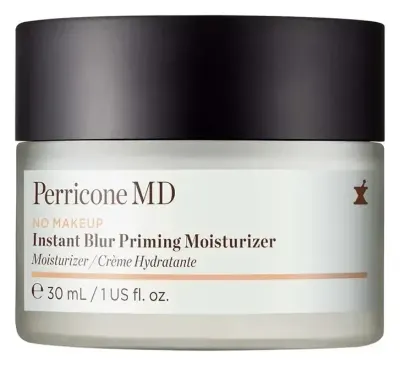
Perricone MD No Makeup Instant Blur Priming Moisturizer
Glycerin, silica, thioctic acid and peptides · scent-free label
Amazon

All 5 products with Thioctic Acid
Anti-Aging & Retinoid Serums (1)
Mineral Pressed Powders & Skin-Nourishing Primers (1)
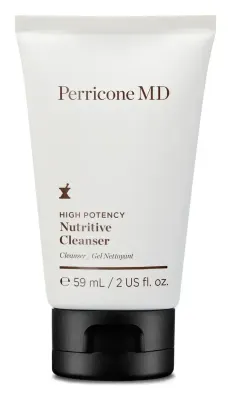
Gel, Foam & Cream Facial Cleansers (1)
Eye Creams & Under-Eye Patches (1)

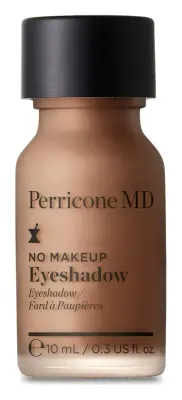
Eye Shadows, Liners, Mascara & Brow Makeup (1)
Common questions
What is thioctic acid in skincare?
Thioctic acid is another name for alpha-lipoic acid, a sulfur-containing compound used in some topical formulas. It is included as an antioxidant active.
Does thioctic acid help with signs of aging?
A small amount of topical research has examined alpha-lipoic acid creams, but the evidence base is limited. Results from one study do not guarantee that every cosmetic formula will produce the same visible effect.
Is topical thioctic acid the same as an oral supplement?
No. A skin product and an oral supplement have different routes of use and cannot be treated as equivalent. This guide is about cosmetic use on the skin, not supplement effects.
Can thioctic acid irritate skin?
Any active formula can be uncomfortable for some people, and the finished product's concentration and other ingredients matter. Patch-test a new product and stop if irritation persists.