Vitis Vinifera (Grape) Seed Oil
What grape seed oil does in skincare, why it is rich in linoleic acid, and how to think about texture and storage.
Extremely safeIn 15 products we cover
We may earn a commission when you buy through links on this page. It never changes what we recommend.
Quick facts
- INCI name
- Vitis Vinifera (Grape) Seed Oil
- Origin
- Plant-derived
- Chemical class
- Plant seed oil (triglycerides)
- What it does in a formula
- emollient, skin conditioning
- Why it is in the formula
- Grape seed oil helps soften skin and adds a relatively light plant-oil feel to blends.
What it is
Cold-pressed from the seeds of Vitis vinifera, grape seed oil is a lightweight, non-greasy cosmetic emollient rich in polyunsaturated linoleic acid. Accompanied by oleic, palmitic, and stearic acids, it provides excellent slip and barrier lipid replenishment, differing markedly from water-soluble grape fruit or seed extracts.
That high linoleic-acid content makes grape seed oil less saturated than many solid plant butters. It can feel lighter in a blend, but that does not guarantee a particular finished product will feel light. The other oils, waxes, and emulsifiers matter too. Because linoleic acid is polyunsaturated, the oil can oxidize when exposed to oxygen, warmth, and light. Store the product with its lid secured and follow the package’s use-by or after-opening guidance. Replace it if the smell, color, or texture changes noticeably.
What it does
- Softens the surface. Grape seed oil is an emollient that can make skin feel smoother.
- Adds slip. It helps a balm, oil, or cream spread with less drag.
- Contributes an unsaturated oil phase. Its fatty-acid profile can affect how a blend feels and spreads.
Who it suits
You may like grape seed oil if you prefer a plant oil that often feels less dense than a butter. Dry or combination skin may enjoy the added emollience, while someone who dislikes any oily finish may prefer a lotion or gel instead. These are texture preferences, not reliable predictions based on a single ingredient. The product’s complete formula determines whether it feels comfortable to you.
Comedogenic ratings are not dependable enough to use as a scorecard. There is no universal number that can predict whether grape seed oil or a product containing it will clog pores for you. If you are comparing options, consider the overall texture and how your skin responds. If a product causes lasting irritation, stop using it and seek professional advice if the problem continues.
What to pair it with, and what not to
Grape seed oil can be used in a blend with other emollients or as part of a moisturizer. There is no required active to combine it with. Keep oil-containing products closed and away from direct sun or heat, and follow the instructions on their packaging.
Skin Realist check: The prettiest oil is still the one whose finish you actually enjoy wearing.
Quick picks with Vitis Vinifera (Grape) Seed Oil
Scent-free, no patch-test flags on the label
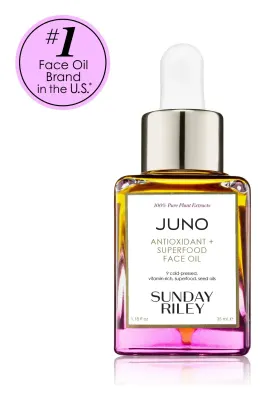
Sunday Riley Juno Antioxidant + Superfood Face Oil
scent-free label
AmazonBrand lists it for sensitive skin
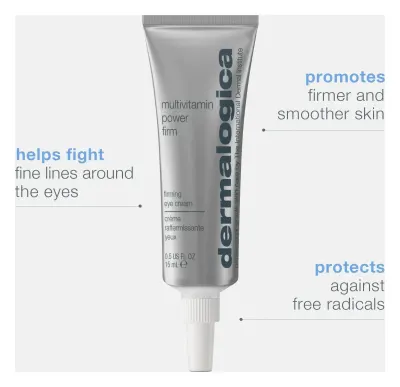
Dermalogica multivitamin power firm eye cream
Vitamins C and E and botanical extracts · oily, dry, combination, sensitive, normal skin · scented
AmazonBrand lists it for oily skin
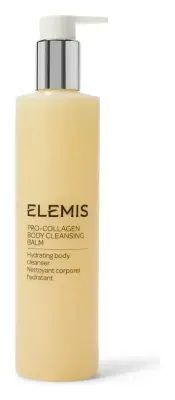
Elemis Pro-Collagen Body Cleansing Balm
Collagen amino acids, Padina pavonica, borago seed oil, camelina seed oil, echium seed oil · combination, dry, normal, oily skin · scented
Amazon
All 15 products with Vitis Vinifera (Grape) Seed Oil
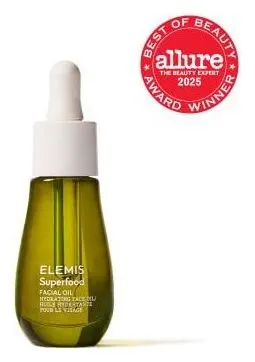
Face Oils & Treatment Oils (4)
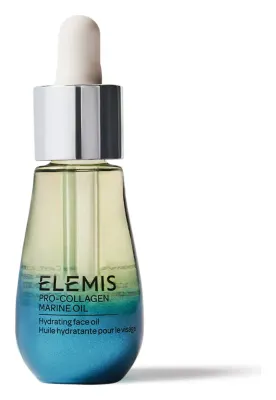
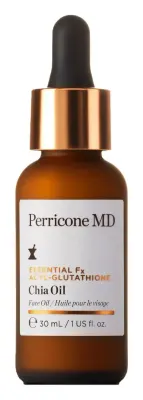
Body Creams, Butters & Body Oils (3)
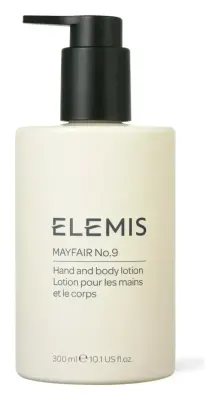
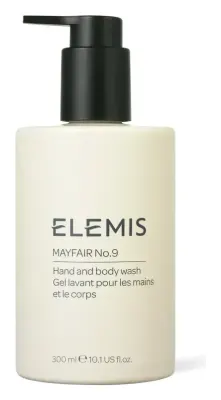
Eye Creams & Under-Eye Patches (2)
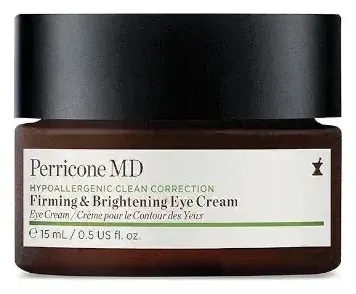
Daily Moisturizers & Water Gel Creams (2)

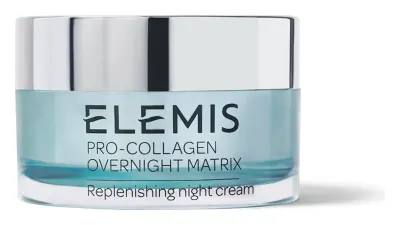
Anti-Aging & Retinoid Serums (1)
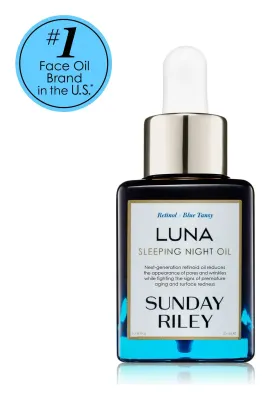
Premium Double-Cleansing Balms & Melting Gels (1)
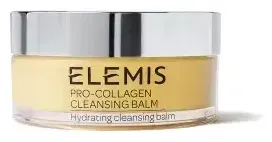
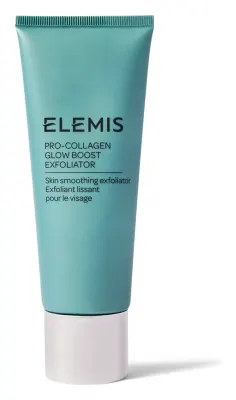
Physical & Enzyme Face Exfoliants (1)
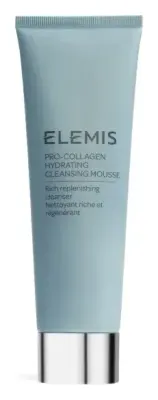
Gel, Foam & Cream Facial Cleansers (1)
Common questions
What does grape seed oil do for skin?
It is an emollient that can soften skin and add slip to a formula. It is often described as lighter in feel than some richer plant oils, though the overall product determines the finish.
Is grape seed oil high in linoleic acid?
Yes. Grape seed oil is generally rich in linoleic acid, a polyunsaturated fatty acid, with smaller amounts of oleic and saturated fatty acids. The exact profile varies by seed source and processing.
Is grape seed oil comedogenic?
Comedogenic ratings are unreliable and cannot predict how every finished product will feel or behave. Your response depends on the product formula and your own preferences.
Does grape seed oil go bad?
Like other oils, it can oxidize, and its high linoleic-acid content makes careful storage sensible. Keep it closed, away from heat and light, and follow the package date and storage directions.