Best Daily Sunscreen for Men: What to Look For
Men should wear broad-spectrum SPF 30+ sunscreen daily. What the label should say, how much to use, and lightweight, water-resistant and mineral options from labels we've checked.
We may earn a commission when you buy through links on this page. It never changes what we recommend.
What this means for you
Start with what you notice
If you skip sunscreen because it feels greasy, stings your eyes or seems like a beach-only product, the right formula can make it a 20-second habit.
The ingredient names, translated
Sunscreen protects your skin from the sun's UVA and UVB rays. "Broad spectrum" means it covers both. SPF measures protection against burning, and dermatologists recommend SPF 30 or higher. "Water resistant" means it keeps working for 40 or 80 minutes of swimming or sweating. Mineral sunscreens use zinc oxide or titanium dioxide; chemical sunscreens use filters like avobenzone. Both work when the label checks those boxes.
How to decide
- Hate a greasy feel? Try a lightweight fluid or a moisturizer with SPF for everyday use.
- Running, cycling or working outside? Choose a water-resistant formula and reapply after sweating.
- Sensitive skin? Dermatologists often suggest mineral sunscreens with zinc oxide or titanium dioxide, but still check the full ingredient list for fragrance.
- Thinning hair or a shaved head? Cover your scalp, ears and neck too, or wear a hat.
What to expect
Sunscreen only protects as well as you apply it: enough product, every day you're outside, and reapplied about every two hours outdoors. We haven't tested these sunscreens; all filters and claims come from the brands.
General guidance, not a test of these products: AAD: how to select a sunscreen (broad spectrum, SPF 30+, water resistance); AAD: sunscreen FAQs (amount, reapplication, mineral for sensitive skin); AAD: skin care tips for men (scalp, ears, neck; skin checks). Each product's label source is linked on its product page.
Our label-based picks
Each pick is matched to a need using what the brand's label says. We haven't tested these, so they aren't winners or guarantees of suitability.
Best lightweight daily fluid
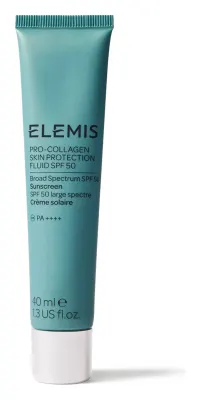
Why it fits: A lightweight broad-spectrum SPF 50 fluid that Elemis lists for all skin types, with no ingredient matching our scent glossary.
Manufacturer source · checked 2026-10-17Best for sweat and sport
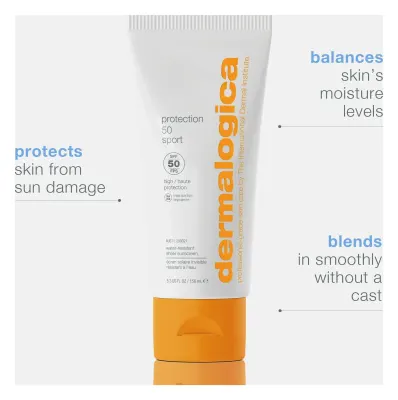
Why it fits: Broad-spectrum SPF 50 for face and body that Dermalogica states is water resistant for 80 minutes.
Manufacturer source · checked 2026-10-11Best mineral-only pick
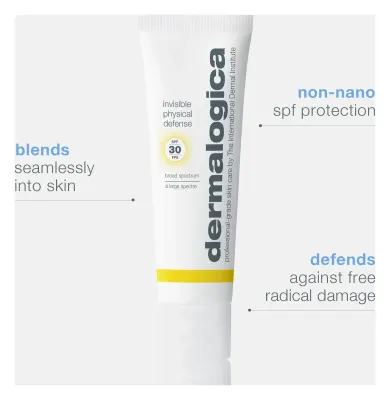
Why it fits: A mineral SPF 30 with zinc oxide 20.9% as its only active ingredient.
Manufacturer source · checked 2026-10-11
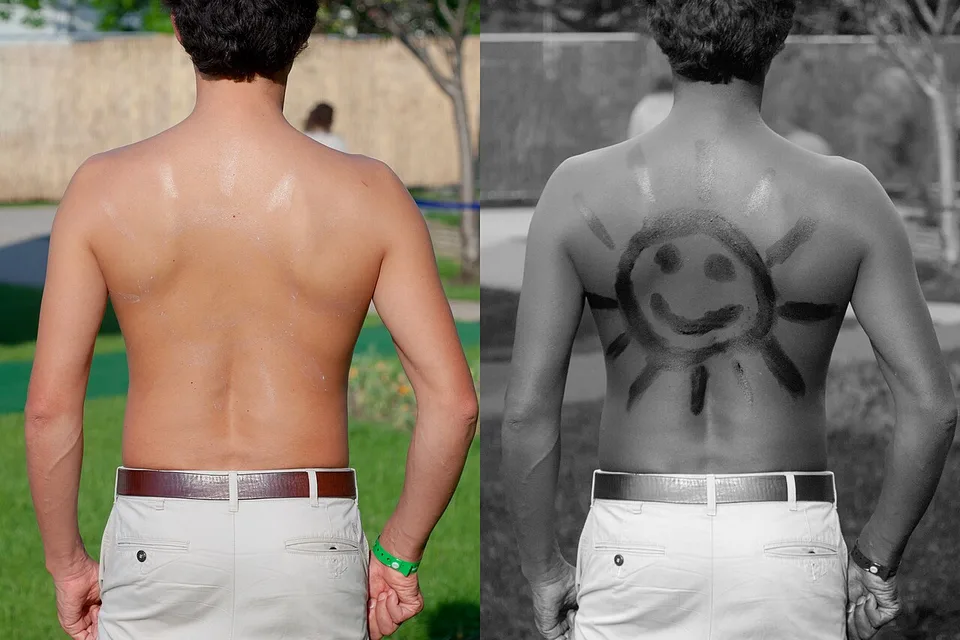
Yes, men should wear sunscreen every day they’re outside. The AAD recommends a broad-spectrum, water-resistant sunscreen with SPF 30 or higher on all exposed skin, including your ears, neck and scalp if your hair is thin. It’s the one product in a men’s routine with a clear, evidence-based job, and the AAD’s guide to choosing sunscreen boils it down to those three label checks.
If you’ve avoided it because it felt greasy, ran into your eyes at the gym, or left your beard white, that’s a formula problem, not a reason to skip it. Sunscreens now range from water-light fluids to moisturizers with SPF built in.
What should the label say?
Look for three things on the front or in the Drug Facts:
- Broad spectrum. Protects against both UVA and UVB rays.
- SPF 30 or higher. The AAD’s minimum recommendation.
- Water resistant (40 or 80 minutes). Important if you sweat, swim or work outside. Not every sunscreen has it.
Then decide between mineral and chemical filters. Mineral sunscreens use zinc oxide or titanium dioxide. Chemical sunscreens use filters such as avobenzone, homosalate and octocrylene. The AAD’s sunscreen FAQs say both work when they meet the criteria above, and that dermatologists often recommend mineral formulas for sensitive skin. To compare filters across products, use our sunscreen UV filter finder.
Skin Realist check: SPF 50 used thinly is not better than SPF 30 used properly. The amount you put on matters as much as the number on the bottle.
How much, and how often?
The AAD suggests at least a teaspoon for your face and about an ounce for all exposed skin. Reapply about every two hours outdoors and after swimming or sweating. Don’t forget your ears, the back of your neck, and your scalp if your hair is thin or shaved. The AAD notes that men over 50 have a higher risk of melanoma, and recommends seeing a dermatologist about any spot that itches, bleeds or changes color.
Best for everyday wear: lightweight sunscreens
Elemis Pro-Collagen Skin Protection Fluid SPF 50
Elemis Pro-Collagen Skin Protection Fluid SPF 50 is a 40 mL broad-spectrum fluid that Elemis describes as lightweight with a non-greasy finish. Its filters are avobenzone 3.0%, homosalate 5.0%, octisalate 5.0% and octocrylene 7.0%. Elemis lists it for combination, dry, normal, oily and sensitive skin, and says to use it as the last step of your morning routine.
No ingredient on the recorded list matches our scent glossary, but Elemis doesn’t explicitly market it as fragrance free, and no water resistance is recorded. It’s a good fit if you hate the feel of thick sunscreen on your face.
Perricone MD Vitamin C Ester Photo-Brightening Moisturizer Broad Spectrum SPF 30
Perricone MD Vitamin C Ester Photo-Brightening Moisturizer Broad Spectrum SPF 30 is a moisturizer with sunscreen, so it covers two steps at once. Perricone MD describes it as lightweight and fast absorbing, sells it as fragrance free, and lists tetrahexyldecyl ascorbate, a form of vitamin C. Massage it onto your face and neck in the morning.
The caveat: the product page we checked didn’t list the sunscreen active ingredients or their percentages. If you want to know exactly which filters you’re using, check the Drug Facts on the box.
→ See the Perricone MD SPF 30 on Amazon
Best for sweat and outdoor days: water resistant
Dermalogica Protection 50 Sport SPF50
Dermalogica Protection 50 Sport SPF50 is a 5.3 oz lotion for face and body that Dermalogica states is water resistant for 80 minutes. Its filters are avobenzone 3.0%, octisalate 5.0%, homosalate 10.0% and octocrylene 10.0%, and the brand describes a sheer, non-greasy finish. Dermalogica recommends it for all skin types.
Apply it 15 minutes before you go out, and reapply after swimming or exercise. The bigger bottle makes it practical for arms, neck and legs too. No fragrance appears on the recorded ingredient list, though Dermalogica doesn’t market it as fragrance free.
Best for sensitive skin: mineral
Dermalogica Invisible Physical Defense Mineral Sunscreen SPF30
Dermalogica Invisible Physical Defense Mineral Sunscreen SPF30 uses non-nano zinc oxide at 20.9% as its only active ingredient. Dermalogica describes a sheer, weightless finish that blends without a thick white residue, and recommends it for all skin types including sensitive. It’s a 1.7 oz bottle; apply it to your face about 30 minutes before sun exposure.
One important caveat: the ingredient list includes lavender oil, linalool, limonene and eucalyptol. So it’s a mineral sunscreen, but not a fragrance-free one. If you react to scent, check the other options here first.
→ See the Dermalogica mineral SPF on Amazon
If you don’t mind fragrance
Laneige Hydro UV Defense Sunscreen Broad Spectrum SPF 50+
Laneige Hydro UV Defense Sunscreen Broad Spectrum SPF 50+ uses four disclosed filters: avobenzone 2.5%, homosalate 7%, octisalate 4.5% and octocrylene 9%. Laneige describes it as hydrating and lightweight, with glycerin, aloe and centella extract in the formula. Apply it in the morning, and reapply every two hours during prolonged sun exposure, as Laneige directs.
The label lists fragrance and lavender flower water, so skip it if scented products bother you.
Elemis Pro-Collagen Marine Cream SPF 30
Elemis Pro-Collagen Marine Cream SPF 30 is a day cream with broad-spectrum SPF 30, using avobenzone 1.0%, octinoxate 1.0% and octocrylene 0.5%. Elemis describes a lightweight gel-cream with a silky-satin finish and says to apply a half-teaspoon-size amount to your face and neck each morning. It’s a good one-step option if you want a moisturizer and sunscreen in one.
It contains fragrance, and Elemis doesn’t state a water-resistance time, so it’s for office days rather than the gym.
→ See the Marine Cream SPF 30 on Amazon
Quick comparison
| Product | SPF | Filter type | Water resistant | Fragrance |
|---|---|---|---|---|
| Elemis Skin Protection Fluid SPF 50 | 50 | Chemical | Not stated | None matched; not marketed as fragrance free |
| Perricone MD Vitamin C Ester SPF 30 | 30 | Not listed on page | Not stated | Sold as fragrance free |
| Dermalogica Protection 50 Sport | 50 | Chemical | 80 minutes | None listed |
| Dermalogica Invisible Physical Defense | 30 | Mineral (zinc oxide) | Not stated | Lavender oil, linalool, limonene |
| Laneige Hydro UV Defense | 50+ | Chemical | Not stated | Fragrance |
| Elemis Marine Cream SPF 30 | 30 | Chemical | Not stated | Fragrance |
Where sunscreen fits in your routine
- Wash your face.
- Shave, if you shave.
- Moisturize, unless your sunscreen is a moisturizer with SPF.
- Apply sunscreen last, to your face, ears and neck.
- Reapply about every two hours outdoors and after sweating.
Skin Realist check: Your beard is not a sunscreen. It covers some skin, but your cheeks, nose, forehead and ears are still out there.
Mistakes to avoid
- Only wearing sunscreen at the beach. The AAD notes UV rays pass through clouds.
- Using a pea-sized amount. Your face needs about a teaspoon.
- Forgetting your ears, neck and scalp. These are easy to miss and get plenty of sun.
- Never reapplying. One morning application won’t last through an afternoon outside.
- Assuming “mineral” means fragrance free. Read the full ingredient list.
Drugstore and men’s-brand options
- Mineral, fragrance free: CeraVe Hydrating Mineral Sunscreen SPF 30 Face Lotion uses titanium dioxide 6% and zinc oxide 5% and is sold as fragrance free. It carries the Skin Cancer Foundation’s Daily Use Seal. Mineral filters can leave a white cast, and no water resistance is stated.
- Moisturizer and sunscreen in one, fragrance free: CeraVe AM Facial Moisturizing Lotion SPF 30 combines zinc oxide 8% with homosalate, octinoxate and octocrylene, plus ceramides and niacinamide.
- For sweat and outdoor days: Jack Black Oil-Free Sun Guard is SPF 45 with zinc oxide 8%, octinoxate 7.5% and octisalate 3%. Jack Black says it’s water and sweat resistant but doesn’t give a time, so reapply after sweating or towel drying.
- After shaving, if you don’t mind fragrance: Lab Series All-In-One Defense Lotion Moisturizer SPF 35 is a shine-free morning moisturizer. It lists fragrance, and Lab Series’ page doesn’t name the sunscreen filters, so check the Drug Facts on the box.
You’ll also see men’s moisturizers with SPF 20 or 21. The AAD recommends SPF 30 or higher, so treat those as a step down, not a full day outside.
The bottom line
The best sunscreen is one you’ll wear every day, so choose a texture you like. If you only buy one, make it Elemis Pro-Collagen Skin Protection Fluid SPF 50 for everyday wear. Add Dermalogica Protection 50 Sport for workouts and weekends outdoors. For more detail on filters and white cast, see our daily sunscreen guide, browse daily sunscreens and SPF moisturizers, or go back to men’s skincare basics.
Common questions
Do men really need sunscreen every day?
Yes, on any day you'll be outside. The AAD recommends broad-spectrum, water-resistant SPF 30 or higher on all exposed skin, and notes that UV rays pass through clouds.
How much sunscreen should I put on my face?
The AAD suggests at least a teaspoon for your face. Most adults need about an ounce to cover all exposed skin.
Is a moisturizer with SPF enough?
It can be, if it's broad spectrum, SPF 30 or higher, and you apply enough of it. Many people apply moisturizer more thinly than sunscreen, so check you're using a full amount.
Mineral or chemical sunscreen: which is better?
Both work when they're broad spectrum, SPF 30 or higher and water resistant. The AAD notes dermatologists often recommend mineral formulas with zinc oxide or titanium dioxide for sensitive skin.
How often should I reapply?
About every two hours when you're outside, and after swimming or sweating, according to the AAD.