Makeup for acne-prone skin: choosing, applying and removing it without breakouts
How to wear makeup with acne: what 'non-comedogenic' really means, removing makeup properly, whether to double cleanse, and keeping brushes clean.
Short answer
You can wear makeup if you have acne. Dermatologists recommend products labelled "non-comedogenic", "oil-free" or "won't clog pores", a light application, removing all makeup every night, and cleaning brushes weekly. "Non-comedogenic" is a screening claim, not a guarantee, so if a product seems to cause tiny bumps, stop it: makeup breakouts can take days to months to appear.
We may earn a commission when you buy through links on this page. It never changes what we recommend.
What this means for you
Start with what you notice
Decide whether a product you are already wearing is the cause before changing your skincare.
The ingredient names, translated
Makeup doesn't have to make acne worse. Pick products labelled non-comedogenic or oil-free, apply them lightly, take everything off before bed and keep your brushes clean. If tiny bumps appear, the culprit may be a product you started weeks ago, so change one thing at a time.
How to decide
- Choose products labelled non-comedogenic, oil-free, or won't clog pores, and use a light layer.
- Remove all of it every night. The AAD says sleeping in makeup can cause acne, even if it's non-comedogenic.
- Clean brushes and sponges weekly. A dirty applicator is a cause of its own.
- Change one product at a time so you can tell which one did it.
What to expect
Expect makeup-caused breakouts to appear days to weeks after you start wearing something, not the same day. That delay is why you change one product at a time and judge each over several weeks.
General guidance, not a test of these products: Makeup and acne (American Academy of Dermatology); Habits that can worsen acne (American Academy of Dermatology); Working out and acne (American Academy of Dermatology); Mills OH Jr, Kligman AM. Human model for comedogenicity testing vs the rabbit ear. Arch Dermatol. 1982;118(11):903-5 (PMID 7138047); Zatulove A, Konnerth NA. Cosmetic industry use of the rabbit-ear comedogenicity assay. Cutis. 1987;39(6):521 (PMID 2956066); Nguyen SH, Dang TP, Maibach HI. Rabbit-ear comedogenicity re-test of cosmetic ingredients. Cutan Ocul Toxicol. 2007;26(4):287-92 (PMID 18058303); Back acne: how to get rid of it (American Academy of Dermatology). Each product's label source is linked on its product page.
Our label-based picks
Each pick is matched to a need using what the brand's label says. We haven't tested these, so they aren't winners or guarantees of suitability.
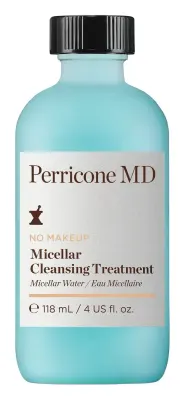
Best oil-free makeup remover
Why it fits: A water-based micellar cleanser with no oils on its list, sold as fragrance free.
Manufacturer source · checked 2026-10-11Best gentle second wash
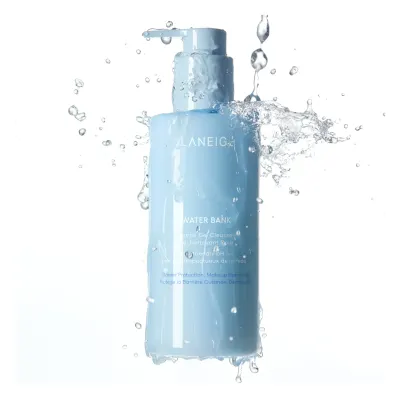
Why it fits: A pH-balanced gel cleanser Laneige lists for sensitive skin, made to remove sunscreen and makeup; sold as fragrance free.
Manufacturer source · checked 2026-10-11Best SPF under makeup for breakouts
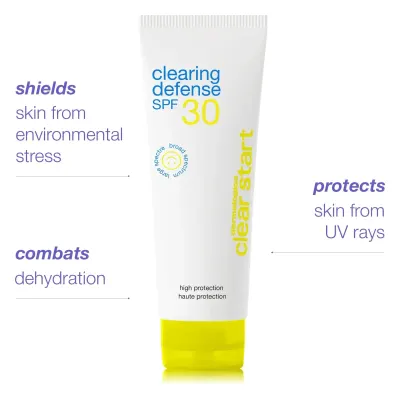
Why it fits: A broad-spectrum SPF 30 moisturizer with a matte finish that Dermalogica positions for breakout-prone skin.
Manufacturer source · checked 2026-10-11
Can makeup cause acne?
Yes. The American Academy of Dermatology (AAD) calls it acne cosmetica. It typically looks like:
- many tiny bumps, usually on the cheeks, chin or forehead
- whiteheads that rise slightly above the skin, plus some pimples
- tiny breakouts around the lips, which may come from lipstick or lip balm
It’s hard to pin down because it can take a few days to six months to appear after you start a product. And covering new breakouts with the same makeup can keep the cycle going. The good news: it often clears once you stop the product that causes it.
Foundation, blush and concealer can all cause it, and so can hair and skincare products. If your breakouts are mainly along the hairline, see forehead acne and makeup.
What does “non-comedogenic” actually mean?
It means the manufacturer believes the product won’t clog pores (cause comedones). It’s useful, but it helps to know where the claim comes from:
- It’s based on screening tests. In the 1980s, cosmetic companies adopted the rabbit-ear test to back up non-comedogenic claims (Zatulove & Konnerth 1987).
- Rabbit skin is more sensitive than ours. Researchers who developed a human test found substances that are only weakly positive in rabbits are probably fine for most people, with the possible exception of acne-prone people (Mills & Kligman 1982).
- Some feared ingredients test fine. A later rabbit-ear re-test found several esters were positive, but cetyl alcohol, stearyl alcohol, paraffin and petrolatum were not (Nguyen et al. 2007).
So treat the label as a first filter, and your own skin as the final test. More detail in comedogenic ingredients and ingredient checkers.
Skin Realist check: “oil-free” and “non-comedogenic” aren’t the same claim, and neither is a promise. A product with both labels can still break you out, and one with neither might suit you fine. Watch your skin, not just the box.
How to choose makeup for acne-prone skin
- Check every layer. The AAD recommends the labels on makeup and the skincare and hair products underneath. That includes primer and sunscreen; the AAD recommends a non-comedogenic, broad-spectrum SPF 30+ sunscreen. Dermalogica Clearing Defense SPF30 is a matte SPF 30 moisturizer Dermalogica positions for breakout-prone skin.
- Lighter is easier to manage. Thinner layers are easier to remove fully at night.
- Introduce one product at a time. Because breakouts can take weeks to show up, adding several new products at once makes it impossible to tell which one is the problem.
- Patch-test on a breakout-prone area for a couple of weeks before using a new product all over your face.
How should you apply makeup over acne?
The AAD suggests:
- a feather-light touch to avoid irritating the skin; brushes can help
- continuing your acne treatment underneath; OTC benzoyl peroxide, salicylic acid or adapalene can help, with 4 to 8 weeks before you see some improvement
- not picking at spots before covering them; the AAD warns that squeezing pushes material deeper and increases inflammation and scarring
If you use a retinoid or acid, let it absorb fully before makeup, and follow your product’s directions on timing.
How should you remove makeup?
This is where most problems start. The AAD is clear that sleeping in makeup can cause acne, even if the makeup is non-comedogenic.
Every night:
- Use an oil-free makeup remover, including for eye makeup (AAD). Perricone MD No Makeup Micellar Cleansing Treatment is a water-based, fragrance-free option.
- Wash gently with a mild cleanser, using your fingertips and lukewarm water. Laneige Water Bank Gentle Gel Cleanser is a fragrance-free gel made to remove sunscreen and makeup.
- Don’t scrub. The AAD warns scrubbing irritates skin and can make acne flare.
- Pat dry with a clean towel.
Too tired? The AAD’s fallback is a non-comedogenic makeup-remover towelette. It’s better than nothing, but a proper wash is better.
Also remove makeup before working out. The AAD suggests an oil-free makeup-remover towelette before exercise.
Is double cleansing good for acne-prone skin?
Double cleansing means removing makeup first (often with a cleansing oil or balm), then washing with a regular cleanser. It’s popular, and it can be a gentle way to take off long-wear makeup and water-resistant sunscreen without scrubbing.
What we found:
- No studies show double cleansing improves acne.
- The AAD recommends an oil-free remover, which is different from the cleansing oils and balms often used for double cleansing.
- More washing isn’t better. The AAD lists washing your face throughout the day as a habit that can worsen acne, and recommends washing twice a day plus after sweating.
A sensible middle ground: if you wear heavy or long-wear makeup, a remover step followed by a gentle cleanser is fine. If you use a cleansing oil or balm, choose one that rinses off cleanly, and stop if you notice new tiny bumps. If you wear little or no makeup, one gentle cleanse is enough.
How often should you clean makeup brushes?
The AAD recommends cleaning brushes weekly and not sharing makeup, brushes or applicators. Shared tools can spread oil, bacteria and dead skin cells, and can also pass on pink eye and cold sores. The same logic applies to sponges and puffs.
When should you see a dermatologist?
- Breakouts continue after you’ve stopped the suspect products and treated your acne for 6 to 8 weeks
- You can’t tell which product is causing breakouts
- You have deep, painful spots, or acne is leaving marks you’re covering every day
A dermatologist can help identify the cause and treat the acne itself, which usually means you need less coverage. See when to see a dermatologist about acne.
Common questions
Can I wear makeup if I have acne?
Yes. The American Academy of Dermatology says people with acne can wear makeup if they choose products carefully: non-comedogenic or oil-free, applied lightly and removed every night.
What does non-comedogenic mean?
It means the maker believes the product won't clog pores, usually based on screening tests that began with 1980s rabbit-ear studies. It's a useful filter but not a guarantee: individual skin varies, and some people still react.
Is double cleansing good for acne-prone skin?
It can be, if it helps you remove heavy makeup and sunscreen without scrubbing. We found no studies showing it improves acne. The AAD recommends an oil-free remover followed by a gentle wash, and warns that washing too often can irritate skin.
Can sleeping in makeup cause acne?
Yes. The AAD says even non-comedogenic makeup can cause acne if you leave it on overnight. If you're too tired to wash your face, use a non-comedogenic makeup remover towelette.
How often should I clean my makeup brushes?
Weekly, according to the AAD, and don't share them. Shared makeup and tools can spread oil, bacteria and dead skin cells, and can pass on infections such as pink eye and cold sores.
How do I know if my makeup is causing breakouts?
Makeup-related acne usually looks like many tiny bumps and whiteheads on the cheeks, chin or forehead. Because it can take days to months to appear, stop one suspect product at a time and watch for several weeks.