Maskne and acne mechanica: acne from masks, helmets, chin straps, headbands and friction
How friction, heat and sweat from masks, helmets, chin straps and headbands cause acne mechanica, plus what the evidence says about phones and pillowcases.
Short answer
Acne mechanica is acne triggered by friction, pressure and trapped heat and sweat, from things like face masks (maskne), helmets, chin straps and headbands. It often starts as small, rough bumps that are easier to feel than see. Put clean, soft padding between gear and skin, wear breathable fabrics, change out of sweaty gear quickly and use a salicylic acid product. See a dermatologist if it lasts beyond 6 to 8 weeks.
We may earn a commission when you buy through links on this page. It never changes what we recommend.
What this means for you
Start with what you notice
Find what rubs or presses on your skin, and test that before blaming products.
The ingredient names, translated
Acne mechanica is acne caused by things rubbing or pressing on sweaty skin: masks, helmets, straps and headbands. Reduce the rubbing, keep the gear and your skin clean, and treat it like regular acne. There's less evidence than people think that phones or pillowcases cause acne on their own.
How to decide
- Rough bumps you feel more than see, under anything that presses, are the friction pattern.
- Put clean, soft padding between the gear and your skin, and change it as often as you wear the gear.
- Treat the skin with a salicylic acid product, but stop the rubbing at the same time.
- Do not assume a phone or a pillowcase is the cause. There is less evidence for that than people repeat.
What to expect
Expect the bumps to stop once the rubbing and the sweat are both dealt with, and to return as soon as you wear the gear again unwashed. If nothing changes over six to eight weeks, that is a reason to ask a dermatologist rather than add another product.
General guidance, not a test of these products: Sports equipment and acne (American Academy of Dermatology); How to prevent face mask skin problems (American Academy of Dermatology); Spigariolo CB, Giacalone S, Nazzaro G. Maskne: the epidemic within the pandemic: from diagnosis to therapy. J Clin Med. 2022;11(3):618; Hair care products and breakouts (American Academy of Dermatology); Working out and acne (American Academy of Dermatology); Habits that can worsen acne (American Academy of Dermatology); Malassezia folliculitis (DermNet). Each product's label source is linked on its product page.
What is acne mechanica?
The American Academy of Dermatology (AAD) describes acne mechanica as acne caused by equipment or clothing that traps heat and sweat against the skin, while friction irritates it. It’s most likely in people who already have acne or acne-prone skin.
What it looks like:
- small, rough bumps, easier to feel than see, at first
- clustered exactly where something rubs or presses
- if the cause continues, it can progress to pimples or even deep cysts
The location is the biggest clue: a band of bumps under a chin strap, along a helmet line, or across the area a mask covers.
What causes acne mechanica?
Sports gear
The AAD names:
- helmets: cycling, football, hockey, lacrosse and riding helmets
- straps: football chin straps, backpack straps and golf bag straps
- other gear: shoulder pads, chest protectors, wrestling face guards, weightlifting belts and bench plastic
- clothing: synthetic dance and gymnastics wear
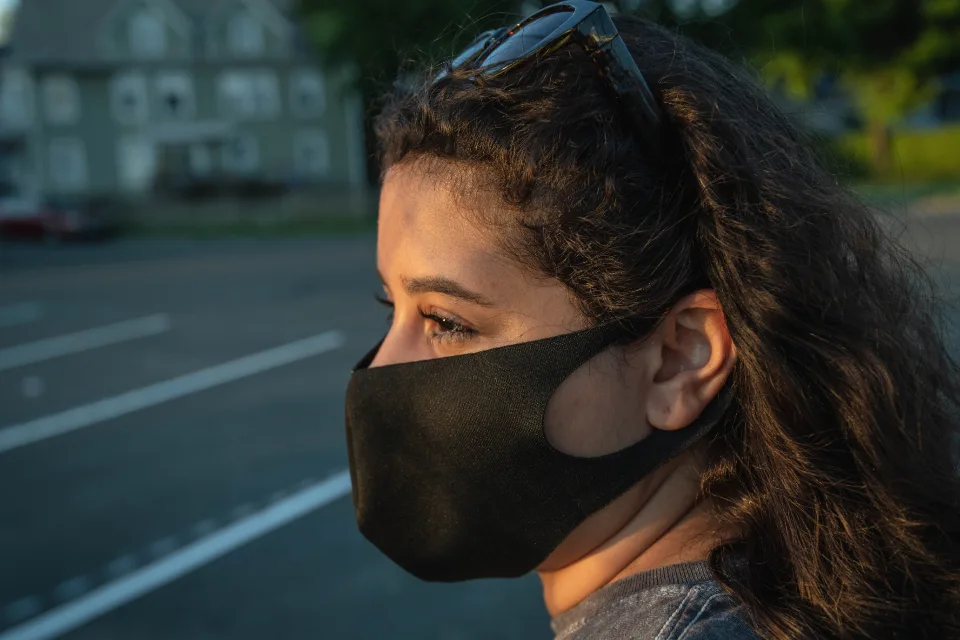
Face masks (maskne)
A 2022 review in the Journal of Clinical Medicine describes maskne as a form of acne mechanica caused by continuous contact and friction between fabric and skin. Masks create a warm, humid microclimate; the review cites an estimated 10% rise in sebum production for every 1°C increase in skin temperature. Risk factors it identifies:
- wearing time, especially more than 4 to 6 hours a day
- reusing masks, and using mask sanitisers
- cloth masks, likely because sweat and dirt build up
The authors note that maskne should be limited to the mask area and improve when you don’t wear a mask. If it doesn’t, it may be something else, such as rosacea or perioral dermatitis.
Headbands, hats and caps
These hold sweat against the forehead and can carry hair product residue. The AAD’s hair-products advice recommends washing caps, hats, headbands and visors to remove residue. See forehead acne and makeup.
How do you prevent acne mechanica?
From the AAD’s sports-equipment and workout advice:
- Pad it. Put clean, soft padding between equipment and your skin.
- Choose breathable, loose fabrics. Moisture-wicking, loose-fitting clothes trap less heat and sweat.
- Wear freshly washed gear. Oils, bacteria and dead skin on unwashed clothing can clog pores.
- Pat sweat, don’t rub it. Use a clean towel. The AAD lists rubbing sweat off as a habit that can cause breakouts.
- Don’t share helmets or pads if you can avoid it, and wipe down shared equipment.
- Shower soon after, or change and wipe breakout-prone areas with salicylic acid pads if you can’t.
- Treat it. The AAD recommends an OTC salicylic acid acne treatment.
Skin Realist check: you don’t have to give up the sport or the gear. In most cases, padding, clean kit and a quick change after training make the biggest difference.
How do you prevent maskne?
The AAD’s face-mask advice includes:
- Cleanse gently every day with a mild, fragrance-free cleanser.
- Moisturise right after washing with a fragrance-free, non-comedogenic moisturiser; a gel suits oily or acne-prone skin.
- Skip makeup under the mask, or use non-comedogenic products if you must.
- Don’t start harsh new products (peels, exfoliants, retinoids) while you’re masking a lot. If you already use a retinoid, use it at bedtime and don’t increase it. Cut back on leave-on salicylic acid and retinoids if your skin gets irritated.
- Fit: snug across the nose, sides and chin, but not so tight it rubs or slides.
- Fabric: for cloth masks, soft breathable cotton against the skin; avoid nylon, polyester and rayon on that layer.
- Wash cloth masks in hot water with a fragrance-free detergent; throw away disposable masks after one use; replace wet or dirty masks straight away.
- Take a 15-minute mask break every 4 hours, where it’s safe to do so.
- Keep treating existing acne or rosacea, and tell your dermatologist if it gets worse under a mask.
If you have to wear a mask for work, these steps matter more than the specific acne product you use.
Do phones and pillowcases cause acne?
These come up a lot. Here’s what we found:
- Phones: we couldn’t find good evidence that phones cause acne. Pressing anything against your face for long periods involves the same pressure and friction behind acne mechanica, so if you break out on the cheek you hold your phone to, cleaning your phone and using speaker or earphones is a sensible, low-cost test.
- Pillowcases: we found no study showing a specific washing frequency prevents acne. The AAD does recommend washing pillowcases and sheets to remove hair product residue if hair products may be causing breakouts. Changing them weekly, or more often if you sleep with product in your hair, is a reasonable habit.
Could it be fungal acne instead?
Heat, sweating and occlusion are also triggers for fungal acne (DermNet). If the bumps under your gear are itchy and all the same size, with no blackheads, read fungal acne explained. On the back and chest, see body acne.
When should you see a dermatologist?
- Breakouts persist after 6 to 8 weeks of treatment, which the AAD says is the point to see a dermatologist; they may prescribe medication or suggest other procedures
- You have deep, painful spots under gear or a mask
- The rash is itchy, burning or scaly, which may be irritation, rosacea or another condition rather than acne
- It doesn’t improve on days you don’t wear the gear or mask
Products with salicylic acid (BHA) on the label
Salicylic Acid (BHA)
Ingredient list includes Salicylic Acid
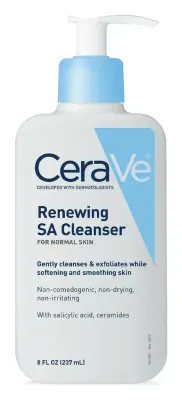
CeraVe Renewing SA Cleanser
Salicylic acid, ceramides, niacinamide, hyaluronic acid, vitamin D · normal skin · no scent flags recorded
Salicylic Acid (BHA)
Ingredient list includes Salicylic Acid
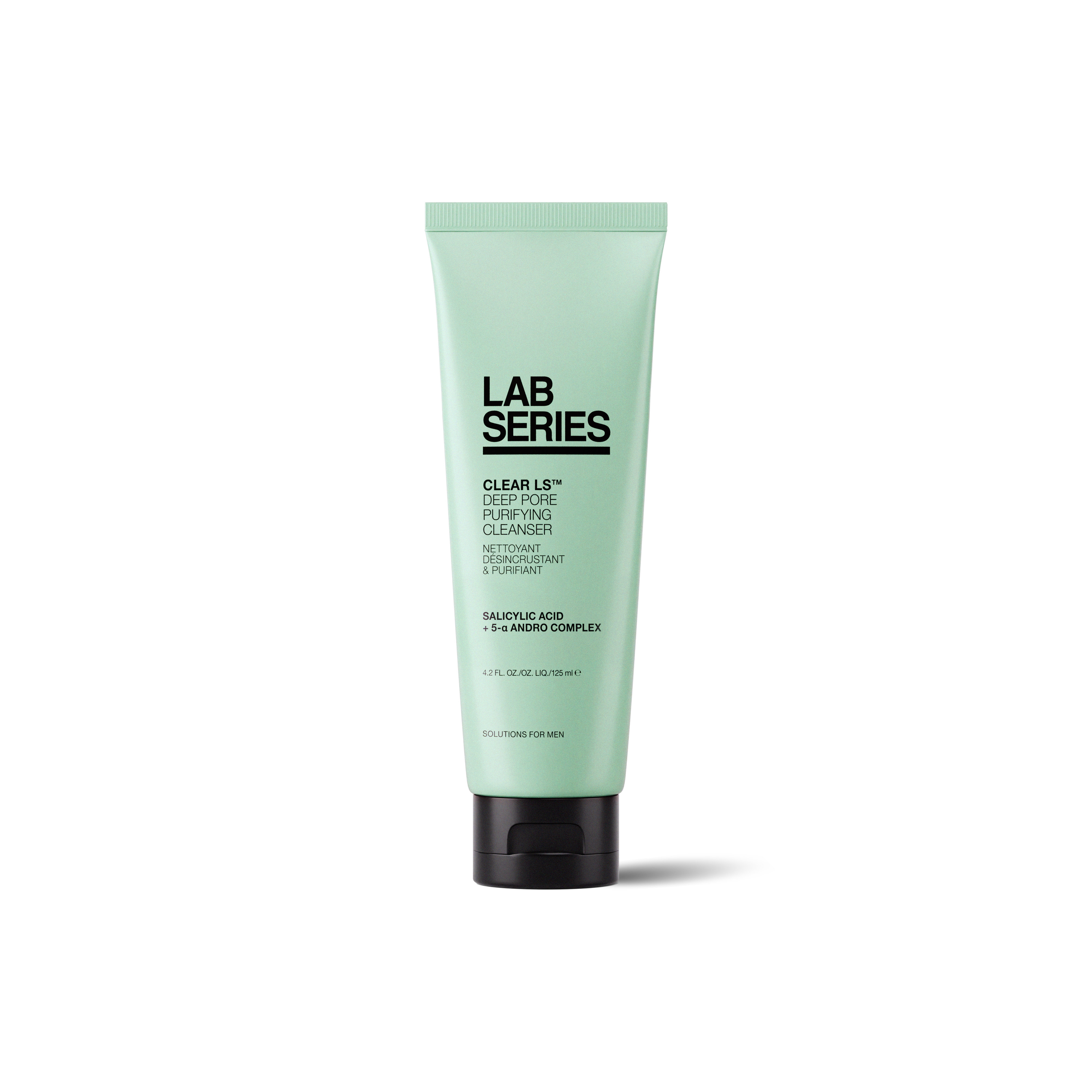
Lab Series Clear LS Deep Pore Purifying Gel Face Wash
Salicylic acid, 5-α Andro Complex, acetyl glucosamine · oily, sensitive skin · scent ingredients flagged
Salicylic Acid (BHA)
Ingredient list includes Salicylic Acid
COSRX - AC Collection Calming Foam Cleanser (Renewal) - 150ml
COSRX · Gel, Foam & Cream Facial Cleansers

Common questions
What is acne mechanica?
Acne caused by equipment or clothing that traps heat and sweat against the skin, with friction irritating it further. The American Academy of Dermatology says it often starts as small, rough bumps that are easier to feel than see, and can progress to pimples or deep cysts if the cause continues.
What is maskne?
Acne caused or worsened by wearing a face mask, a form of acne mechanica. A 2022 review links it to friction and the warm, humid environment under a mask, with risk rising after about 4 to 6 hours of wear a day.
How do I stop maskne?
The AAD suggests a snug but not rubbing fit, soft breathable cotton against the skin, washing cloth masks after use, replacing wet masks, a 15-minute break every 4 hours where safe, a gentle cleanser and non-comedogenic moisturiser, and skipping makeup under the mask.
Can chin straps and helmets cause acne?
Yes. The AAD names helmets (cycling, football, hockey, lacrosse, riding) and football chin straps among the gear that can cause acne mechanica. Clean, soft padding between the gear and your skin helps.
Can headbands and hats cause forehead acne?
They can trap sweat and carry hair product residue against your skin. The AAD recommends washing caps, hats, headbands and visors regularly, and changing out of sweaty gear quickly.
Can my phone cause acne?
We couldn't find good evidence that phones cause acne. Pressure and friction from holding something against your face could contribute in theory, so if you get breakouts on one cheek, wiping your phone and using earphones is a low-risk thing to try.
How often should I change my pillowcase for acne?
There's no study that sets a number. The AAD recommends washing pillowcases to remove hair product residue if hair products may be causing breakouts. Weekly, or more often if you sleep with product in your hair, is a sensible habit.