Pimple patches and spot treatments: hydrocolloid vs microneedle, and what to do instead of popping
Do pimple patches work? Hydrocolloid vs microneedle patches, which spots they help, how to use spot treatments, and what to do with a deep, painful pimple instead of popping it.
Short answer
Hydrocolloid pimple patches work best on pimples with a white head or ones that have already opened: they absorb fluid, protect the spot and stop you picking. They do little for blackheads or deep, closed cysts. Microneedle patches deliver ingredients a little deeper, but the evidence is small. Patches and spot treatments are extras; they don't replace treatment of the whole area, and you shouldn't pop pimples.
We may earn a commission when you buy through links on this page. It never changes what we recommend.
What this means for you
Start with what you notice
Match the patch to the kind of spot, and know when a patch is the wrong tool.
The ingredient names, translated
Pimple patches help most on pimples that have come to a head or are already open. They soak up fluid, protect the spot and stop you touching it. They won't do much for deep, closed lumps. Don't pop pimples; use a patch, a spot treatment, or a warm compress for deep ones, and see a dermatologist for painful cysts.
How to decide
- A white head, or a spot that has already opened, is where a hydrocolloid patch helps.
- A flat dark plug or a deep closed lump is where it does very little.
- Do not pop. A patch, a spot treatment, or a warm compress do the same job without damaging the skin.
- A painful lump under the skin is a reason to ask a dermatologist, not to add another product.
What to expect
Expect a patch to help one spot at a time and to do nothing for the area as a whole, so it is an extra to a routine, not a replacement for one. Deep cysts may leave a mark or a change in texture afterwards whatever you do.
General guidance, not a test of these products: How to treat a deep, painful pimple (American Academy of Dermatology); Pimple popping: why only a dermatologist should do it (American Academy of Dermatology); Chao CM, et al. A pilot study on efficacy treatment of acne vulgaris using a new method: results of a randomized double-blind trial with Acne Dressing. J Cosmet Sci. 2006;57(2):95-105; Social media mythbusters: hydrocolloid pimple patches (Dermatology Times); Thantaviriya S, et al. Efficacy and safety of detachable microneedle patch containing triamcinolone acetonide in the treatment of inflammatory acne. Clin Cosmet Investig Dermatol. 2023;16:1431-1441; When acne won't clear (American Academy of Dermatology); Acne: causes (NHS). Each product's label source is linked on its product page.
Our label-based picks
Each pick is matched to a need using what the brand's label says. We haven't tested these, so they aren't winners or guarantees of suitability.
Best plain hydrocolloid patch
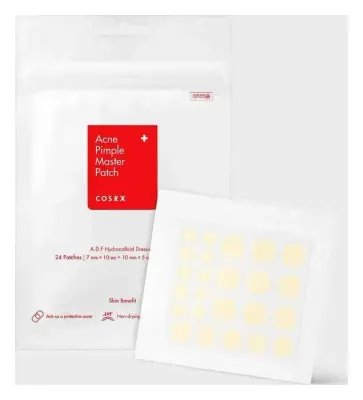
Why it fits: Cellulose gum and adhesive polymers only, in three sizes so you can cover the spot with a margin; sold as fragrance free.
Manufacturer source · checked 2026-10-10Best patch with salicylic acid
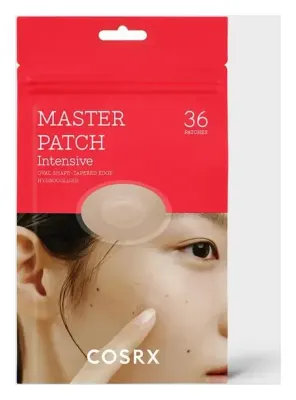
Why it fits: A hydrocolloid patch that also lists salicylic acid, with oval shapes for the jawline and hairline.
Manufacturer source · checked 2026-10-10Best leave-on spot treatment
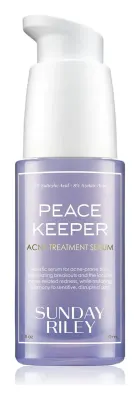
Why it fits: A serum that names salicylic acid and azelaic acid as its actives, two of the AAD's suggested spot ingredients.
Manufacturer source · checked 2026-10-10
Do pimple patches work?
For the right kind of spot, yes. The American Academy of Dermatology (AAD) says hydrocolloid patches can protect the skin and help healing.
How they work: hydrocolloid is a wound-dressing material. A review in Dermatology Times explains that a patch absorbs fluid that’s already draining from an open spot and forms a moist gel that supports healing. It does not pull oil or pus out of an intact pore. The opaque barrier also stops you touching and picking, which may be one of its biggest benefits.
The evidence is modest but positive:
- A small randomized, double-blind pilot study (Chao et al. 2006) compared a hydrocolloid acne dressing with plain skin tape in 20 people with mild to moderate acne. Over 3 to 7 days, the dressing reduced overall severity, inflammation and redness significantly more. No significant side effects were seen. The authors called for larger trials.
- Dermatology Times summarises later trials as showing the biggest benefit for draining or recently opened pustules, slower and smaller improvement for closed red bumps, and that none of the trials included deep cysts or blackheads.
Which spots should you patch?
| Spot | Will a hydrocolloid patch help? |
|---|---|
| Pimple with a white or yellow head | Yes, the best use |
| Pimple that has already opened | Yes, protects it while it heals |
| Closed, red bump (papule) | Some, more slowly |
| Blackhead | Little or no benefit |
| Deep, painful lump (nodule or cyst) | Little benefit; see below |
Hydrocolloid vs microneedle patches
Microneedle patches have tiny, dissolving spikes on the sticky side that deliver ingredients past the skin’s surface. They’re marketed for early, closed pimples that a plain hydrocolloid patch can’t reach.
What the evidence shows:
- A randomized, double-blind study in 35 people (Thantaviriya et al. 2023) found dissolving microneedle patches helped inflammatory spots heal faster than untreated spots, and reduced their size and redness. The fastest results came from patches containing triamcinolone, a corticosteroid. A patch without the steroid was also faster than no treatment.
- Store-bought microneedle patches usually contain cosmetic ingredients (such as salicylic acid or niacinamide), not a steroid, so that trial doesn’t tell us how well they work.
- Dermatology Times notes there’s no published outcome data comparing consumer microneedle patches with plain hydrocolloid ones.
So microneedle patches are a reasonable thing to try on an early, closed pimple, but their extra benefit over a plain patch isn’t proven. Some people find them uncomfortable or irritating.
Skin Realist check: the white goo on a used patch is mostly absorbed fluid plus the patch material swelling. It’s satisfying, but it isn’t proof the patch “pulled out” the pimple.
How to use a pimple patch
- Clean and dry the skin. Patches don’t stick to oily or damp skin, or over thick moisturiser.
- Choose a size that covers the spot with a small margin. A mixed pack such as COSRX Acne Pimple Master Patch (three sizes) makes this easy.
- Apply without stretching, and press down for a few seconds.
- Leave it on until it turns white or starts to lift, often overnight. Replace if needed.
- Don’t put a patch over an active treatment unless the product says you can; covering it can increase irritation.
Spot treatments: what to use
For a pimple, the AAD suggests an OTC product containing adapalene, azelaic acid, benzoyl peroxide or salicylic acid, applied as a thin layer, because too much can irritate the skin even more. Sunday Riley Peacekeeper is one leave-on option that names both salicylic and azelaic acid.
But spot treatment alone isn’t enough. The AAD warns that applying medication only to blemishes doesn’t prevent new ones; you need a thin layer over the whole acne-prone area. See building an acne routine.
What not to use
- Toothpaste. The NHS says it can irritate and damage the skin and isn’t recommended.
- Lots of product. More irritates; it doesn’t work faster.
What should you do instead of popping a pimple?
The AAD warns that popping at home often pushes material deeper into the skin, which can cause permanent scars, more noticeable acne, more pain and infection. For deep pimples, the AAD’s deep-pimple advice adds that the risk of discoloration and scarring is especially high in darker skin.
Instead:
- Ice to relieve pain and swelling (AAD popping guidance).
- Warm compress for a deep pimple: a clean washcloth soaked in hot water, held on the spot for 10 to 15 minutes about three times a day, with a fresh cloth each time. The AAD says this helps bring the pimple closer to the surface so it can heal.
- A thin layer of spot treatment, and a patch once it has a head or opens on its own.
- Sun protection, because some acne treatments increase sun sensitivity.
When should you see a dermatologist?
- A deep, painful pimple doesn’t go away with home care
- You get several deep, painful spots
- You need a big spot to settle fast before an event
The AAD says a dermatologist can inject a corticosteroid into a single painful nodule or cyst, which flattens most within 48 to 72 hours, or drain it safely. Injections are for one or a few spots, not widespread acne. See when to see a dermatologist.
Common questions
Do pimple patches actually work?
For the right pimple, yes. Hydrocolloid patches absorb fluid from open or draining spots and protect them while they heal. A small randomized trial found a hydrocolloid acne dressing reduced severity and redness more than plain tape over a week.
Which pimples are patches good for?
Pimples with a visible white head, or ones that have already opened. Closed red bumps improve more slowly, and blackheads and deep cysts have little fluid for a patch to absorb.
Are microneedle pimple patches better?
They may help some early, closed pimples, but the evidence is small. One trial found dissolving microneedle patches sped up healing compared with no treatment, but the most effective ones contained a corticosteroid, which isn't in typical store-bought patches.
Should I pop a pimple before putting on a patch?
No. The American Academy of Dermatology warns that popping often pushes material deeper and can cause scars, more noticeable acne and infection. If a pimple has opened on its own, a patch is a good way to protect it.
Does toothpaste work on pimples?
No. The NHS says that although toothpaste contains antibacterial ingredients, it can irritate and damage the skin, so it isn't recommended.
What is the fastest way to get rid of a big pimple?
For a deep, painful pimple before an event, a dermatologist can inject a corticosteroid. The AAD says this flattens most acne nodules and cysts within 48 to 72 hours. At home, a warm compress, a thin layer of spot treatment and a patch are safer than squeezing.