How to build an acne skincare routine: a minimal, step-by-step plan
A simple acne routine: gentle cleanser, one active, moisturiser and sunscreen. How to add a second treatment safely and spot hidden actives on labels.
Short answer
A good acne routine is short: a gentle cleanser twice a day, one acne treatment applied as a thin layer over the whole acne-prone area, a non-comedogenic moisturiser, and sunscreen in the morning. Use it for 6 to 8 weeks before judging it. Add a second treatment only if needed, choose one that works differently, and check labels for hidden actives so you don't double up.
We may earn a commission when you buy through links on this page. It never changes what we recommend.
What this means for you
Start with what you notice
Find the shortest routine that covers every acne-prone area, and check you are not using the same active twice.
The ingredient names, translated
You need four things: a gentle cleanser, one acne treatment, a moisturiser and sunscreen. Use them every day for about two months. Adding lots of products at once usually irritates skin and makes acne harder to clear. Read the Drug Facts box on every product so you don't end up using the same active twice.
How to decide
- One cleanser, one treatment, one moisturiser, one sunscreen. Nothing else is required.
- Apply the treatment as a thin layer over the whole acne-prone area, not just fresh spots.
- Read the Drug Facts box on every label before adding a second treatment.
- If you already use two products with the same active, stop one rather than adding a third.
What to expect
Expect the first signs of improvement after about four to six weeks and judge the routine over six to eight, not one. If nothing at all has changed by four to six weeks, add one second treatment that works differently, rather than swapping everything.
General guidance, not a test of these products: When acne won't clear (American Academy of Dermatology); Habits that can worsen acne (American Academy of Dermatology); Acne treatment: how dermatologists treat acne (American Academy of Dermatology); Back acne: how to get rid of it (American Academy of Dermatology); How to fade dark spots (American Academy of Dermatology); Guidelines of care for the management of acne vulgaris (J Am Acad Dermatol, 2024); Differin (adapalene 0.1%) Drug Facts label; La Roche-Posay Effaclar Duo (+M) Drug Facts label (FDA, via openFDA). Each product's label source is linked on its product page.
Our label-based picks
Each pick is matched to a need using what the brand's label says. We haven't tested these, so they aren't winners or guarantees of suitability.
Best gentle cleanser for acne-prone skin
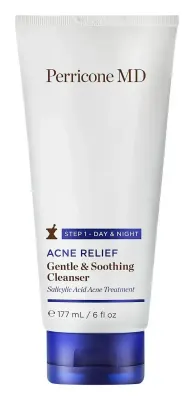
Why it fits: A low-foaming cleanser in Perricone MD's Acne Relief line, with sucrose and squalane, sold as fragrance free.
Manufacturer source · checked 2026-10-11Best light moisturizer for breakouts
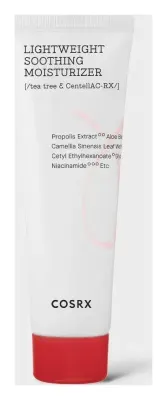
Why it fits: A non-greasy daily moisturizer COSRX describes for acne-prone skin.
Manufacturer source · checked 2026-10-10Best SPF for breakout-prone skin
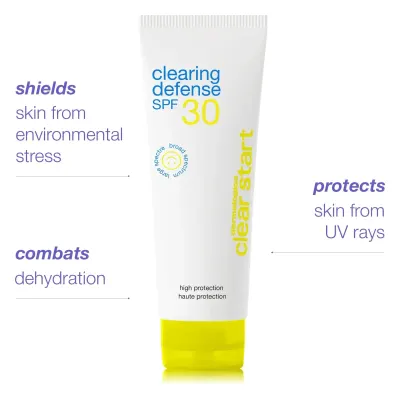
Why it fits: A broad-spectrum SPF 30 moisturizer with a matte finish that Dermalogica positions for breakout-prone skin.
Manufacturer source · checked 2026-10-11

Why keep an acne routine simple?
The American Academy of Dermatology (AAD) lists several habits that make acne worse, and most of them come from doing too much:
- trying a new treatment every week or so, which irritates skin and can cause breakouts
- washing too often, which irritates skin
- drying out the skin with astringents or rubbing alcohol
- scrubbing, which can make acne flare
A short routine is easier to stick with, easier to troubleshoot, and less likely to irritate.
A minimal acne routine
Morning
- Gentle, non-comedogenic cleanser (or a benzoyl peroxide or salicylic acid wash, if that’s your treatment)
- Moisturiser for acne-prone skin
- Broad-spectrum, SPF 30+, non-comedogenic sunscreen
Evening
- Gentle cleanser (remove makeup first)
- Your acne treatment, as a thin layer over the whole acne-prone area
- Moisturiser
That’s it. Toners, serums, essences and masks are optional extras.
Choosing your one treatment
| If you mainly have… | Start with | Why |
|---|---|---|
| Blackheads and whiteheads | Adapalene 0.1% at night | Retinoids clear pores and prevent new comedones (AAD) |
| Red pimples and pustules | Benzoyl peroxide wash or gel | Reduces acne bacteria; strong guideline recommendation |
| Mild acne and sensitive skin | Salicylic acid | Gentler, conditional recommendation |
| Acne plus dark marks | Azelaic acid | Treats acne and fades dark spots |
The full comparison is in OTC acne treatments compared.
How to apply it
- Whole area, not spots. The AAD says to spread a thin layer across all acne-prone skin to treat existing spots and prevent new ones.
- Thin layer. The AAD notes applying more than recommended doesn’t clear acne faster (AAD).
- Retinoids in the evening. Dermatologists often recommend this, and the adapalene label says once a day only.
- On dry skin, then moisturiser on top.
How long before I change my routine?
The AAD says to use a product for 6 to 8 weeks before judging it, and that complete clearing generally takes 3 to 4 months. Its won’t-clear advice says to expect improvement in about 4 to 6 weeks, and to keep using treatment even after your skin clears.
Skin Realist check: “it’s not working” at week two is almost always too early. Take a photo on day one in the same light, and compare at week six, not in the mirror every morning.
When and how should I add a second treatment?
The AAD suggests that if you see no improvement after 4 to 6 weeks, you add a second product with a different active ingredient, and limit yourself to one or two products in total.
- Pair actives that work differently. Adapalene (clears pores) plus benzoyl peroxide (kills bacteria) is the classic combination.
- Split them up. For example, a benzoyl peroxide wash in the morning and adapalene at night.
- Don’t add two the same. A salicylic acid cleanser plus a salicylic acid toner plus a salicylic acid serum is three doses of one active, not three treatments.
US acne drug labels warn that skin irritation and dryness are more likely if you use another topical acne medication at the same time. The US Effaclar Duo label, for example, says that if irritation occurs, use only one topical acne medication at a time.
How do I spot hidden actives?
“Hidden actives” are acne ingredients in products you don’t think of as treatments. Here’s how to check:
- Look for a Drug Facts panel. In the US, an acne drug lists its active ingredient and strength there. If you see benzoyl peroxide, salicylic acid or sulfur, that product is an acne treatment, even if it’s sold as a moisturiser or toner.
- Check the inactive ingredients too. Some products include other exfoliating or acne-related ingredients that don’t count as the labelled active but can still add irritation.
- Count your actives across the whole routine, including cleanser, toner, serum, moisturiser, spot treatment and body wash.
A real example from Reddit: someone using Effaclar Duo was told they already had salicylic acid in it. The US Drug Facts label for La Roche-Posay Effaclar Duo (+M) lists salicylic acid 0.5% as its active ingredient. Its inactive ingredients also include capryloyl salicylic acid (LHA), niacinamide and zinc PCA. Adding a separate salicylic acid product on top is doubling up. (This is the US version. Outside the US it’s sold as a cosmetic without a Drug Facts panel, so check that version’s own ingredient list.)
Skin Realist check: if your skin stings when you apply a plain moisturiser, your routine is too strong. Drop back to one active and add things back slowly.
What about moisturiser and sunscreen?
- Moisturiser: the AAD recommends a moisturiser made for acne-prone skin, twice a day, because dry, irritated skin can lead to more acne.
- Sunscreen: the AAD recommends broad-spectrum, water-resistant SPF 30+, non-comedogenic sunscreen. Sun can darken acne and make marks last longer, and some acne treatments increase sun sensitivity. A tinted sunscreen with iron oxide adds protection against visible light, which the AAD recommends for dark marks.
From the labels we’ve checked: Perricone MD Acne Relief Gentle Soothing Cleanser is a fragrance-free, non-medicated wash; COSRX AC Collection Lightweight Soothing Moisturizer is a light moisturizer COSRX describes for acne-prone skin; and Dermalogica Clearing Defense SPF30 is a matte SPF 30 moisturizer for breakout-prone skin. If you want your treatment in the wash, CeraVe Renewing SA Cleanser is a fragrance-free salicylic acid cleanser.
When should you see a dermatologist?
- Your routine hasn’t helped after 6 to 8 weeks, even with a second active added
- You have deep, painful spots, scarring or dark marks
- Your skin is constantly irritated and you can’t tolerate any acne treatment
Products with salicylic acid (BHA) on the label
Salicylic Acid (BHA)
Ingredient list includes Salicylic Acid
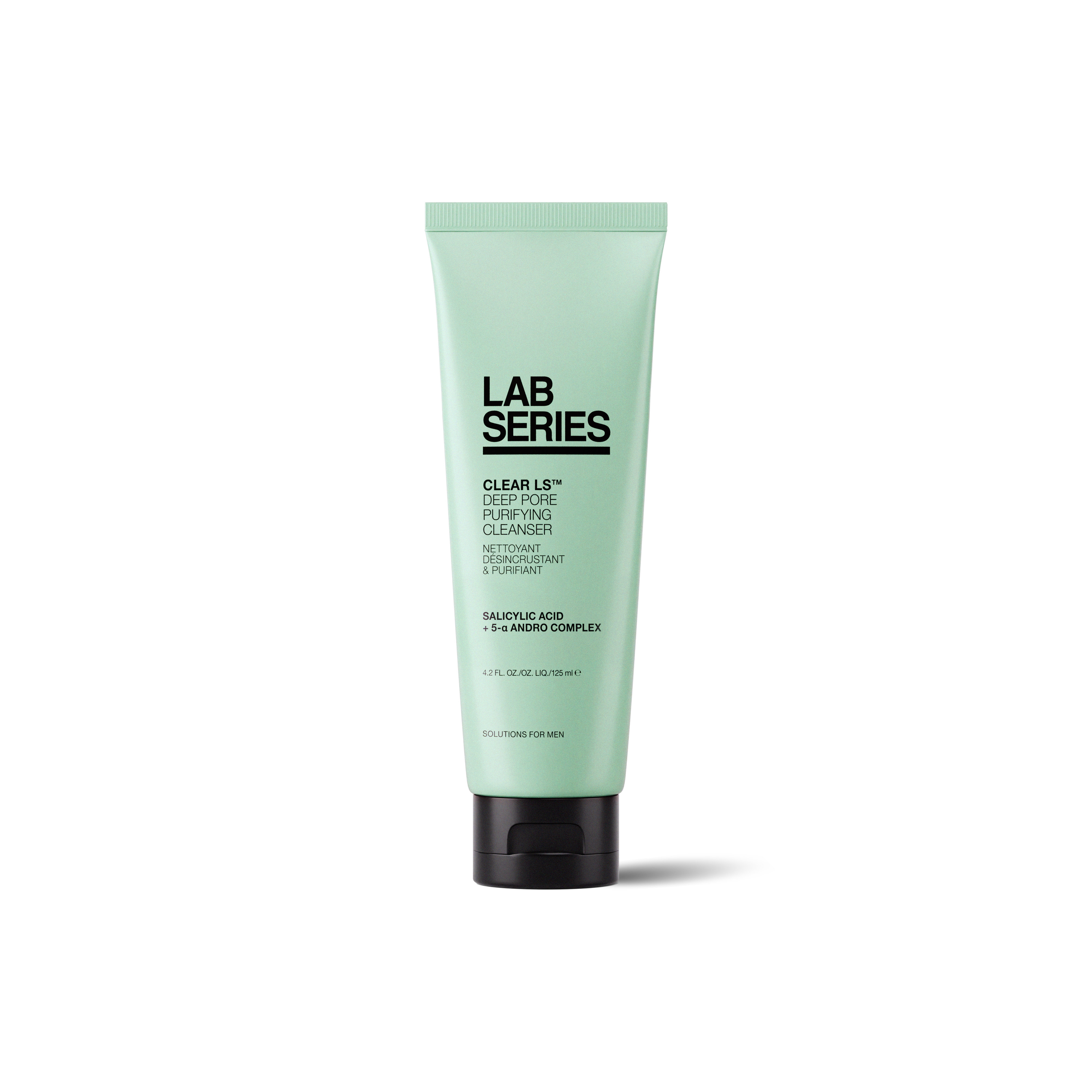
Lab Series Clear LS Deep Pore Purifying Gel Face Wash
Salicylic acid, 5-α Andro Complex, acetyl glucosamine · oily, sensitive skin · scent ingredients flagged
Salicylic Acid (BHA)
Ingredient list includes Salicylic Acid
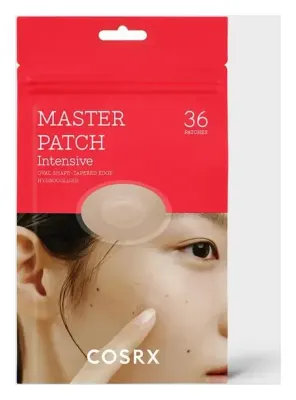
COSRX Master Patch Intensive
Hydrocolloid · scent ingredients flagged
Salicylic Acid (BHA)
Ingredient list includes Salicylic Acid
SKIN1004 - Madagascar Centella Tea-Trica BHA Foam - 125ml
SKIN1004 · Dermatological Acne & Chemical Exfoliating Liquids
Salicylic Acid (BHA)
Ingredient list includes Salicylic Acid
Baxter of California Skin Concentrate BHA
Salicylic acid, caffeine, vitamin E · no scent flags recorded


Common questions
What is the best skincare routine for acne?
A short one: gentle cleanser, one acne treatment, moisturiser and morning sunscreen. The American Academy of Dermatology advises giving a treatment 6 to 8 weeks, applying it to the whole acne-prone area, and avoiding scrubbing and over-washing.
How many acne products should I use?
One acne treatment to start, two at most. The AAD suggests adding a second product with a different active only if there's no improvement after 4 to 6 weeks, and limiting yourself to one or two products to avoid stressing your skin.
Should I use acne treatment in the morning or at night?
Dermatologists often recommend applying retinoids such as adapalene in the evening. If you use two treatments, a common split is a benzoyl peroxide or salicylic acid wash in the morning and adapalene at night.
What are hidden actives?
Acne ingredients in products you don't think of as treatments, such as a moisturiser or toner with salicylic acid. For example, the US Effaclar Duo label lists salicylic acid 0.5% as an active. Using it with another salicylic acid product doubles up.
Do I need a toner, serum or exfoliator?
No. They're optional. If they contain acne actives or acids, they count toward your one or two treatments. The AAD warns that drying out or scrubbing the skin can lead to more acne.
Why is my skin worse after starting a new routine?
Irritation from too many new products is a common cause. The adapalene label also says acne may seem worse in the early weeks before it improves. If you started several products at once, drop back to one and add others slowly.