OTC acne treatments compared: benzoyl peroxide vs salicylic acid vs adapalene vs azelaic acid vs sulfur
Benzoyl peroxide, salicylic acid, adapalene, azelaic acid, sulfur and hypochlorous acid compared: what each does, legal OTC strengths, evidence, and why not to double up.
Short answer
Adapalene (a retinoid) and benzoyl peroxide have the strongest evidence of the over-the-counter options: adapalene unclogs pores and benzoyl peroxide kills acne-causing bacteria. Salicylic acid and azelaic acid are gentler, with weaker recommendations. Sulfur is an older, mild option, and hypochlorous acid is still experimental. Start with one, give it 6 to 8 weeks, and add a second only if needed.
We may earn a commission when you buy through links on this page. It never changes what we recommend.
What this means for you
Start with what you notice
Pick one treatment for what your acne actually is, and give it a fair test.
The ingredient names, translated
The two best-supported acne products you can buy without a prescription are adapalene gel and benzoyl peroxide. Salicylic acid and azelaic acid are milder. Using lots of acne products at once mostly causes irritation, so start with one, wait about two months, then add a second that works differently if you need it.
How to decide
- Clogged pores point to a retinoid such as adapalene. Pimples point to benzoyl peroxide. Those two have the strongest evidence.
- Salicylic acid and azelaic acid are milder options with weaker recommendations behind them.
- Sulfur is an older, mild option. Hypochlorous acid is still being tested, not established.
- Use one at a time. Two at once mostly adds irritation.
What to expect
Expect six to eight weeks before judging any of them, and expect the weakest options to do least. If one has clearly not worked after that, add a second that works on a different part of the problem, or ask a dermatologist what is beyond what you can buy.
General guidance, not a test of these products: Guidelines of care for the management of acne vulgaris (J Am Acad Dermatol, 2024); OTC Monograph M006: Topical acne drug products for over-the-counter human use (FDA); Acne treatment: how dermatologists treat acne (American Academy of Dermatology); When acne won't clear (American Academy of Dermatology); Back acne: how to get rid of it (American Academy of Dermatology); Differin (adapalene 0.1%) Drug Facts label; Galderma: FDA approves Differin Gel (adapalene 0.1%) for over-the-counter use (July 2016); Azelaic acid (DermNet); Wolf K, Silapunt S. The use of sodium sulfacetamide in dermatology. Cutis. 2015;96(2):128-130; Topical hypochlorous acid for acne vulgaris (Cutis 2026;118(1):23-25, PMID 42868293); Hypochlorous acid in dermatology: review (Biomedicines 2025;13(12):2921, PMID 41462936); FDA: limited number of voluntary recalls after testing of acne products for benzene (March 2025). Each product's label source is linked on its product page.
Our label-based picks
Each pick is matched to a need using what the brand's label says. We haven't tested these, so they aren't winners or guarantees of suitability.
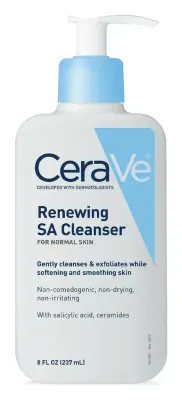
Best salicylic acid wash
Why it fits: A fragrance-free salicylic acid cleanser for face and body, with ceramides and niacinamide.
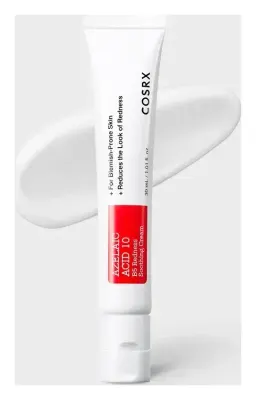
Manufacturer source · checked 2026-10-23Best cosmetic azelaic acid
Why it fits: Lists azelaic acid at 10% with panthenol and niacinamide, sold as fragrance free.
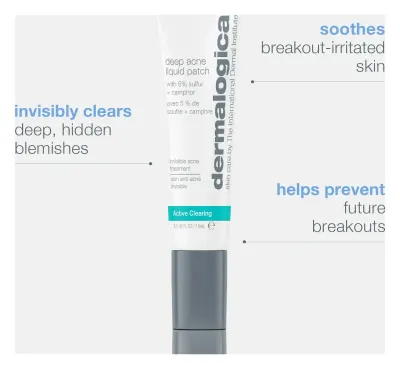
Manufacturer source · checked 2026-10-10Best sulfur spot treatment
Why it fits: A liquid that dries into a patch, with 5% colloidal sulfur and 4% niacinamide.
Manufacturer source · checked 2026-10-11
Which OTC acne treatment should I use?
| Active | OTC strengths (US) | What it does | 2024 AAD guideline | Best for | Watch out for |
|---|---|---|---|---|---|
| Benzoyl peroxide (BPO) | 2.5–10% | Reduces acne bacteria; helps unclog pores | Strong recommendation | Red pimples, body acne; pairs well with adapalene | Bleaches fabric; dryness, irritation |
| Adapalene | 0.1% gel | Retinoid: clears pores, prevents new comedones; can lighten dark spots | Strong (topical retinoids) | Blackheads, whiteheads, ongoing prevention | Early irritation; acne may seem worse at first; sun sensitivity |
| Salicylic acid | 0.5–2% | Exfoliates and opens clogged pores | Conditional | Mild comedones, sensitive skin, body washes | Dryness; easy to double up by accident |
| Azelaic acid | Prescription 15–20%; lower-strength cosmetic products | Keeps pores clear, targets bacteria, calms inflammation, fades dark spots | Conditional | Acne plus dark marks or redness | Mild stinging or irritation |
| Sulfur | 3–10% | Antibacterial, antifungal and exfoliating effects | Not among the guideline’s recommendations | Masks and spot treatments | Smell; dryness |
| Hypochlorous acid | Sold as cosmetic sprays and gels | Antimicrobial, anti-inflammatory (early research) | Not assessed | Not established for acne | Evidence is preliminary |
Sources: 2024 AAD guidelines, FDA OTC acne monograph, AAD, DermNet.
The US strengths above come from the FDA’s acne monograph, which sets the legal OTC range for benzoyl peroxide, salicylic acid and sulfur. If an active is listed in the Drug Facts panel, the product is regulated as an acne drug. Adapalene 0.1% is a separately approved OTC drug.
Benzoyl peroxide
Benzoyl peroxide reduces acne-causing bacteria, and the AAD notes it’s usually paired with another treatment. The 2024 guidelines give it a strong recommendation.
- Strength: higher isn’t automatically better. For the back, the AAD says a 5.3% foam is less likely to irritate, with 10% the strongest OTC option.
- Washes need contact time. The AAD recommends leaving a BPO wash on the back for 2 to 5 minutes before rinsing. See body acne.
- It bleaches towels, sheets and clothes.
- Benzene: in March 2025 the FDA reported testing 95 benzoyl peroxide acne products. Six had elevated benzene and were recalled. The FDA said more than 90% had undetectable or extremely low levels, that the cancer risk is very low even with daily use for decades, and that consumers should throw away expired products.
Adapalene (retinoid)
Adapalene 0.1% gel was the first retinoid approved for OTC sale in the US, in 2016. The AAD says retinoids clear pores, treat blackheads, whiteheads and some pimples, and can lighten dark spots left after acne. Topical retinoids get a strong recommendation in the 2024 guidelines.
From the Drug Facts label: use once a day as a thin layer over the whole affected area; acne may seem to worsen in the early weeks before it improves; irritation usually lessens with continued use; limit sun and use sunscreen; for ages 12 and up.
Cosmetic retinol is related but isn’t regulated or tested as an acne drug. See our retinol page.
Salicylic acid
The AAD says salicylic acid opens clogged pores and exfoliates, and works best on whiteheads and pimples. It has a conditional recommendation in the 2024 guidelines. It’s in a huge number of cleansers, toners, pads and moisturisers, which makes it the easiest active to double up on without realising. See hidden actives. If you want it in a wash, CeraVe Renewing SA Cleanser is sold as fragrance free.
Azelaic acid
Azelaic acid keeps pores clear, targets bacteria, reduces inflammation and can fade dark spots (AAD). DermNet describes it as well tolerated by most people and useful for post-acne pigmentation, particularly in darker skin. Medical-strength products (a 20% cream, and a 15% gel approved in the US for rosacea) are prescription; cosmetic products contain it at lower strengths. It’s a good choice if you have acne and dark marks. Among cosmetic products we’ve checked, COSRX Azelaic Acid 10 B5 Redness Soothing Cream lists it at 10%.
Sulfur
Sulfur is an FDA-monograph acne active at 3–10%. A review in Cutis describes it as having keratolytic (exfoliating), antibacterial and antifungal effects. It’s mostly found in masks and spot treatments, such as Dermalogica Deep Acne Invisible Liquid Patch at 5%. It isn’t among the treatments the 2024 AAD guidelines recommend, so treat it as a mild extra rather than a first choice. Its antifungal effect is why it comes up for fungal acne, though we found no trials for that use.
Hypochlorous acid
Hypochlorous acid sprays are popular, but the evidence for acne is early:
- A 2026 perspective in Cutis says preliminary studies suggest lesion reductions comparable to benzoyl peroxide with better tolerability, pending larger controlled trials.
- A 2025 review found clinical reports across several skin conditions including acne, but said results aren’t entirely consistent and dosing needs more research.
It’s a reasonable, gentle extra if you like it, but not a proven acne treatment.
Skin Realist check: more products is not more treatment. The AAD says applying more medication than recommended doesn’t clear acne faster. One well-chosen active, used consistently, beats four used on and off.
Should I use more than one acne treatment?
Sometimes, but not at the start. The AAD suggests:
- Start with one treatment and use it consistently.
- If there’s no improvement after 4 to 6 weeks, add a second product with a different active ingredient, such as benzoyl peroxide, a retinoid or salicylic acid.
- Limit yourself to one or two products to avoid stressing your skin.
Good pairings work in different ways: adapalene + benzoyl peroxide is the classic one (the AAD says adapalene works better alongside it). Using two products with the same job, such as a salicylic acid cleanser, toner and serum, mostly adds irritation.
US acne drug labels carry the warning that skin irritation and dryness are more likely if you use another topical acne medication at the same time, and to use only one at a time if irritation occurs. See building an acne routine for how to layer.
When do you need more than OTC treatment?
See a dermatologist if OTC treatment hasn’t helped after 6 to 8 weeks, or straight away for deep, painful nodules or cysts. Prescription options include stronger retinoids, topical and oral antibiotics, hormonal treatments and isotretinoin. See prescription vs OTC acne treatments for what each adds, clindamycin vs benzoyl peroxide for why antibiotics are paired with BPO, and when to see a dermatologist.
Common questions
What is the most effective over-the-counter acne treatment?
Adapalene and benzoyl peroxide have the strongest evidence. The 2024 American Academy of Dermatology guidelines strongly recommend both topical retinoids and benzoyl peroxide, while salicylic acid and azelaic acid get conditional recommendations.
Is benzoyl peroxide or salicylic acid better?
Benzoyl peroxide has stronger evidence, especially for red pimples, because it reduces acne-causing bacteria. Salicylic acid is gentler and helps unclog pores. The AAD suggests either as a face wash for papules and pustules.
Can I use benzoyl peroxide and adapalene together?
Yes. They work in different ways, and dermatologists often pair them. The AAD says adapalene works better alongside benzoyl peroxide. Start one first, then add the other once your skin has adjusted, ideally at a different time of day.
Can I use salicylic acid and benzoyl peroxide together?
You can, but irritation is more likely. US acne drug labels warn that dryness and irritation increase if you use another topical acne medication at the same time. Check your products for hidden salicylic acid before adding more.
Does a higher percentage work better?
Not necessarily. Higher strengths mainly add irritation. The AAD notes a 5.3% benzoyl peroxide foam is less irritating than stronger versions, and that using more product than directed doesn't clear acne faster.
Does hypochlorous acid treat acne?
Possibly, but it's not established. Preliminary studies suggest lesion reductions comparable to benzoyl peroxide with less irritation, but researchers say larger controlled trials are needed and results so far aren't consistent.
Is benzoyl peroxide safe after the benzene reports?
The FDA tested 95 benzoyl peroxide acne products in 2025 and found elevated benzene in six, which were recalled. It said more than 90% had undetectable or extremely low levels and the cancer risk is very low. It advises throwing away expired products.