Beta-Glucan
What beta-glucan does in skincare, how it supports hydration, who may benefit from it, and what works alongside it.
Extremely safeIn 20 products we cover
We may earn a commission when you buy through links on this page. It never changes what we recommend.
What it is
Beta-glucan is a family of naturally occurring polysaccharides found in sources such as oats, yeast, and mushrooms. In skincare, it is used as a humectant and skin-conditioning ingredient. It may be listed simply as beta-glucan or as a modified form, such as sodium carboxymethyl beta-glucan.
You may see it compared with hyaluronic acid in descriptions of hydrating products. Both can support a moisturized feel, but they are not the same material, and a comparison does not guarantee that one will work better in a particular formula. The product’s overall texture and ingredient blend matter.
What it does
- Helps skin feel hydrated. Beta-glucan is used to attract and retain moisture in cosmetic formulas.
- Supports a comfortable skin feel. It is commonly included in products meant to condition skin and help it feel less dry or tight.
- Can come from different sources. Oat, yeast, or mushroom origin may vary, so the exact form depends on the product.
Who it suits
Beta-glucan may suit you if you enjoy hydrating serums or moisturizers and want a skin-conditioning ingredient in a simple routine. It is not an exfoliant or retinoid, so it does not need a special cycling schedule. It can be a fit for many skin types, though the complete formula remains important. Someone sensitive to oats or a particular product ingredient should check the label rather than making assumptions based on the ingredient family alone.
Try one new product at a time, especially if your skin is reactive. A moisturizer you already like is still a good choice, whether or not it contains beta-glucan. If you have persistent irritation or an ongoing skin concern, ask a dermatologist rather than relying on a cosmetic ingredient to address it.
What to pair it with, and what not to
Beta-glucan can pair with hyaluronic acid, glycerin, niacinamide, and a moisturizer. It can also be used alongside retinol or exfoliating acids, with those ingredients introduced and used carefully. There is no need to stack several hydrating serums if one formula already feels comfortable. Follow label instructions, and use sunscreen as directed in the daytime.
Skin Realist check: A hydrating ingredient is not a promise to fix everything. It is allowed to be one sensible part of the routine.
How it appears on labels: Beta-Glucan; Sodium Carboxymethyl Beta-Glucan
Quick picks with Beta-Glucan
Scent-free, no patch-test flags on the label
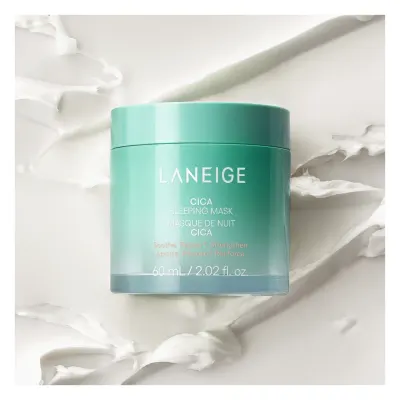
Laneige Cica Sleeping Mask with Centella Asiatica for Moisture Barrier Support
Centella asiatica, madecassoside, panthenol, squalane, niacinamide · normal, dry, combination, sensitive skin · scent-free label
AmazonBrand lists it for sensitive skin
Dermalogica dynamic skin retinol serum
Retinoid Complex 3.5% · oily, dry, combination, sensitive, normal skin · scented
AmazonBrand lists it for oily skin
Dermalogica antioxidant hydramist
Pea extract, rose extract, clove extract, and antioxidant support · dry, oily, combination, sensitive, normal skin · scented
Amazon


All 20 products with Beta-Glucan
Daily Moisturizers & Water Gel Creams (5)

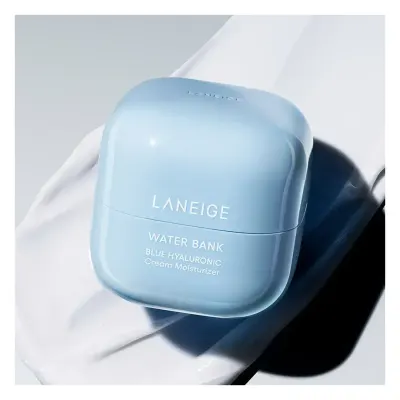


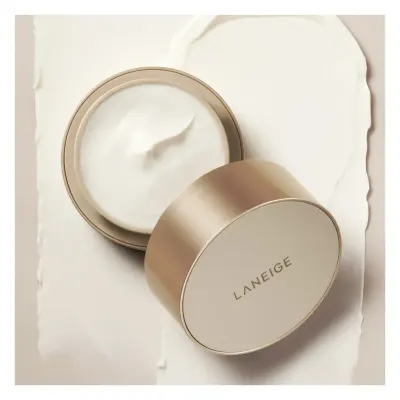
Premium Overnight Recovery Packs & Sleeping Facials (2)
Anti-Aging & Retinoid Serums (2)
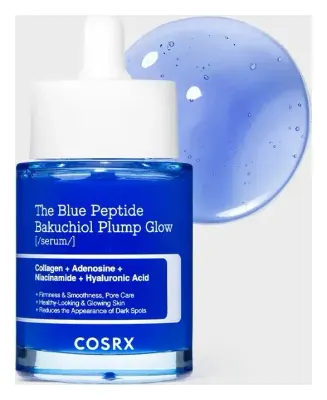
Hydrating Serums, Essences & Ampoules (2)
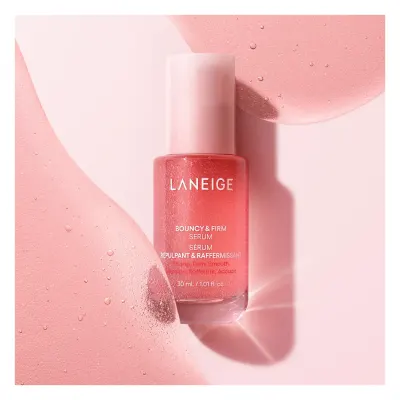
Hydrating Toners, Essence Waters & Face Mists (2)
Eye Creams & Under-Eye Patches (2)


Pimple Patches & Overnight Spot Treatments (1)
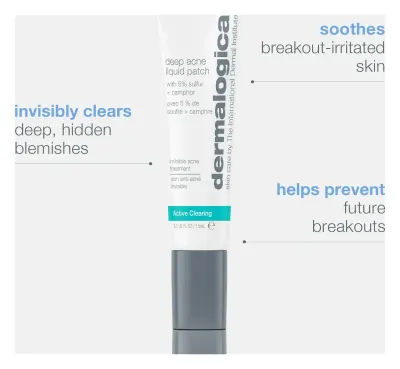
Cream & Gel Treatment Masks (1)

Dermatological Acne & Chemical Exfoliating Liquids (1)
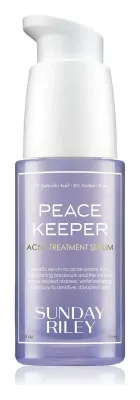
Premium Double-Cleansing Balms & Melting Gels (1)
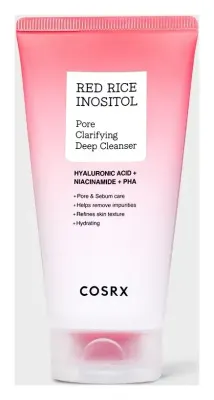
Targeted Vitamin C & Brightening Correctors (1)
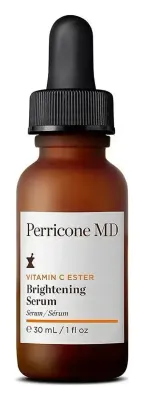
Common questions
What does beta-glucan do for skin?
Beta-glucan is a humectant and skin-conditioning ingredient used to help skin feel hydrated and comfortable. It can come from oats, yeast, or mushrooms, depending on the ingredient and formula.
Is beta-glucan better than hyaluronic acid?
Neither ingredient is automatically better for every person or formula. Both are used in hydrating skincare, and texture, supporting ingredients, and your preferences can help decide which you like.
Can you use beta-glucan with niacinamide?
Yes. Beta-glucan and niacinamide can be used together and may appear in the same hydrating or skin-conditioning routine. Follow product directions and introduce new products gradually.
Is beta-glucan the same as beta-glucan from oats?
Beta-glucan is a family of polysaccharides that can come from several sources, including oats, yeast, and mushrooms. The source and form can vary, so check product information.