Betaine
What betaine does as a humectant, where cosmetic betaine comes from, and why it is often marketed as an active.
Extremely safeIn 49 products we cover
We may earn a commission when you buy through links on this page. It never changes what we recommend.
Quick facts
- INCI name
- Betaine
- CAS number
- 107-43-7
- Origin
- Plant-derived or Synthetic
- Chemical class
- Amino acid derivative (osmolyte)
- What it does in a formula
- humectant, skin conditioning
- Why it is in the formula
- Usually added as a water-binding, skin-conditioning helper that can improve a product's feel.
What it is
Also known as trimethylglycine, betaine is a small naturally occurring molecule found in plants and other living organisms. Sugar beets provide one common source, though cosmetic manufacturers also produce it through synthetic or industrial routes. An ingredient list discloses the presence of betaine but does not reveal which production method was chosen.
In skincare, betaine is mainly a humectant and conditioning helper. Humectants are used in water-based products to support a moisturized feel. Betaine may be described as an osmolyte, a molecule that helps organisms manage water balance, but that does not mean a cosmetic product has a special biological effect. It is often promoted as an active because hydration matters, yet it remains a supporting ingredient, not the reason to buy a product.
What it does
- Helps attract and hold water. Betaine contributes to the hydrated feel of a formula.
- Conditions skin. It can help leave skin feeling softer and less tight.
- Improves product feel. Formulators may use it to make water-based products feel more comfortable.
Who it suits
Betaine can fit into moisturizers, cleansers, and serums for many skin types. Its presence does not establish whether the whole product is rich or lightweight. If you are comparing products for dry or combination skin, consider the other humectants, emollients, and the final texture too.
A single ingredient rarely predicts how your skin will respond to a finished formula. If you have a known sensitivity or a history of reactions, check the entire label and patch-test a new product. Stop using a product that causes persistent irritation, and ask a dermatologist about recurring reactions.
Betaine’s long-standing use in skin-care formulas does not make every product a betaine treatment. It is most useful to think of it as one contributor among the formula’s humectants and emollients. A lightweight serum and a rich cream can both contain it while feeling quite different on skin.
What to pair it with, and what not to
Betaine can appear alongside familiar humectants such as glycerin and hyaluronic acid, or with emollients in a moisturizer. There is no special active it needs to be paired with, and it is not a substitute for choosing a formula that feels right to you.
Skin Realist check: A supporting ingredient can do a useful job without needing a starring role. Betaine keeps the routine's expectations sensibly moisturized.
Quick picks with Betaine
Scent-free, no patch-test flags on the label
COSRX Advanced Snail 92 All in One Cream
Snail Secretion Filtrate · scent-free label
AmazonBrand lists it for sensitive skin
Laneige Balance Mode Shine Control Weightless Moisturizer
Rice bran water, niacinamide, squalane, madecassoside, and rice ferment · oily, combination, sensitive, normal skin · scent-free label
AmazonBrand lists it for oily skin
Dermalogica antioxidant hydramist
Pea extract, rose extract, clove extract, and antioxidant support · dry, oily, combination, sensitive, normal skin · scented
Amazon
All 49 products with Betaine
Hydrating Serums, Essences & Ampoules (10)
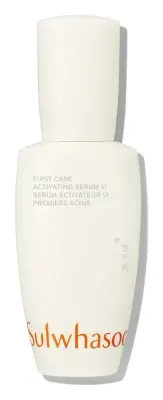 Sulwhasoo First Care Activating Serum VIAmazon
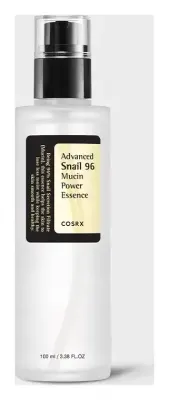 COSRX Advanced Snail 96 Mucin Power EssenceAmazon
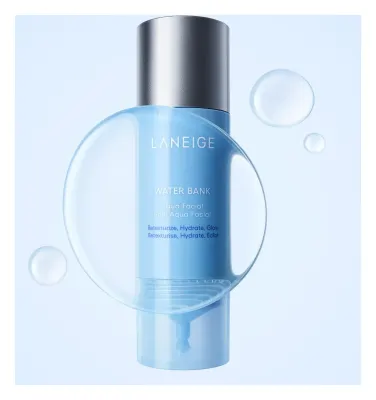
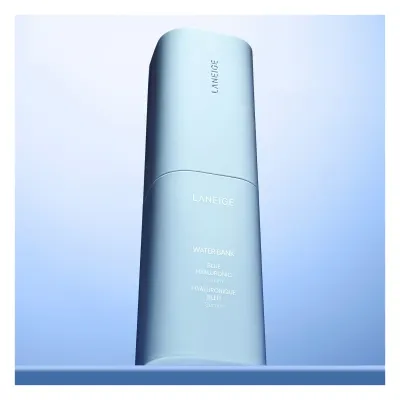 Laneige Water Bank Blue Hyaluronic SerumAmazon
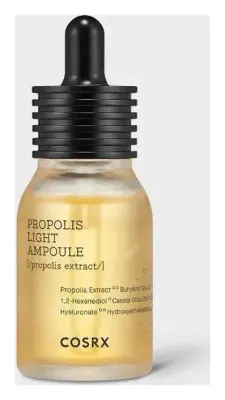 COSRX Full Fit Propolis Light AmpouleAmazon
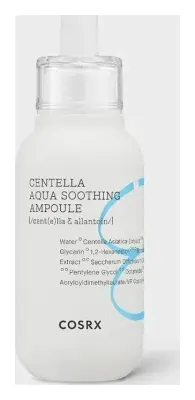 COSRX Hydrium Centella Aqua Soothing AmpouleAmazon
 COSRX The 6 Peptide Skin Booster SerumAmazon
 COSRX The Hyaluronic Acid 3 SerumAmazon
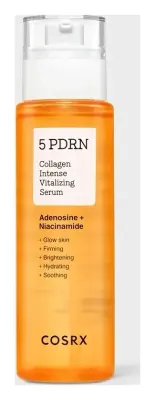 COSRX 5 PDRN Collagen Intense Vitalizing SerumAmazon
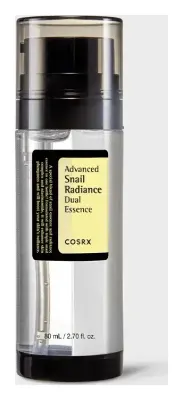 COSRX Advanced Snail Radiance Dual EssenceAmazon
 Dermalogica circular hydration serum with hyaluronic acidAmazon
Daily Moisturizers & Water Gel Creams (8)
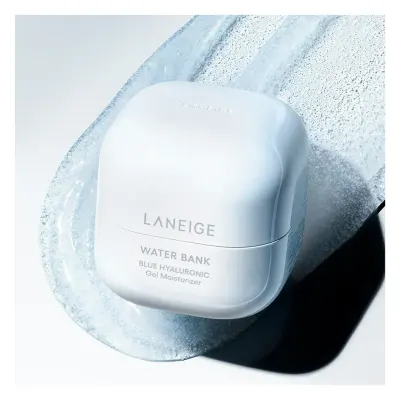 Laneige Water Bank Blue Hyaluronic Gel MoisturizerAmazon
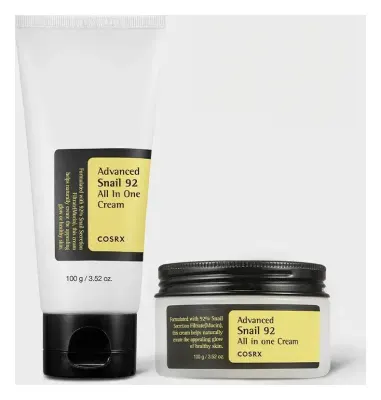 COSRX Advanced Snail 92 All in One CreamAmazon
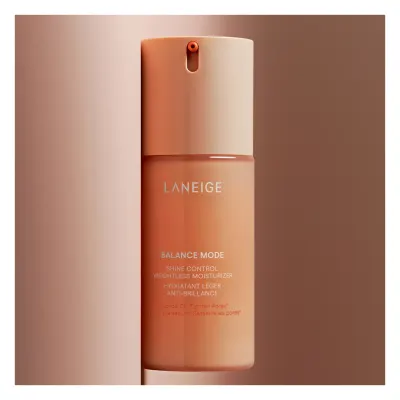 Laneige Balance Mode Shine Control Weightless MoisturizerAmazon
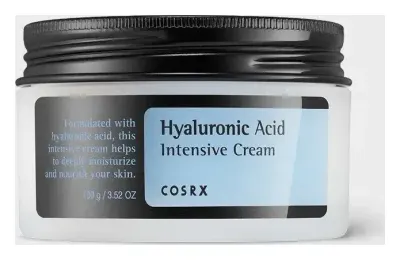 COSRX Hyaluronic Acid Intensive CreamAmazon
 COSRX The Blue Peptide Bakuchiol Plump Bounce CreamAmazon
 COSRX AC Collection Lightweight Soothing MoisturizerAmazon
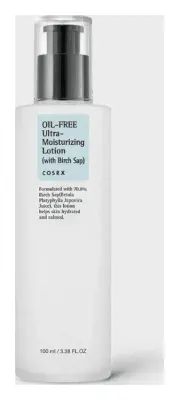 COSRX Oil-Free Ultra-Moisturizing Lotion with Birch SapAmazon
 Dermalogica pro-collagen banking water creamAmazon
Hydrating Toners, Essence Waters & Face Mists (8)
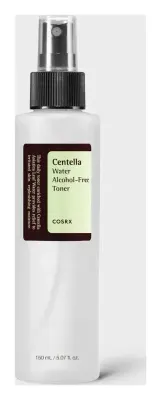 COSRX Centella Water Alcohol-Free TonerAmazon
 Dermalogica antioxidant hydramistAmazon
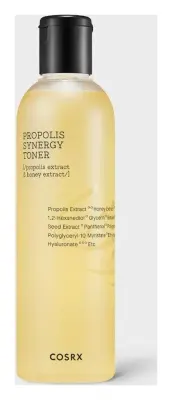 COSRX Full Fit Propolis Synergy TonerAmazon
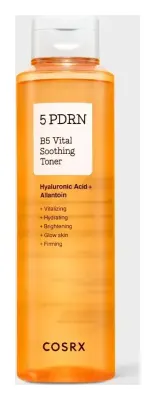 COSRX 5 PDRN B5 Vital Soothing TonerAmazon
 Sulwhasoo First Care Activating Serum MistAmazon
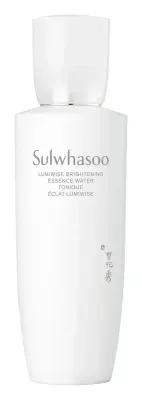 Sulwhasoo Lumiwise Brightening Essence WaterAmazon
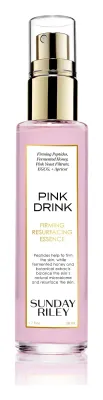 Sunday Riley Pink Drink Firming Resurfacing EssenceAmazon
 COSRX The Ceramide Skin Barrier Moisturizing MistAmazon
Eye Creams & Under-Eye Patches (4)
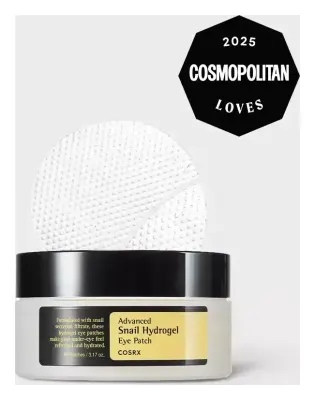

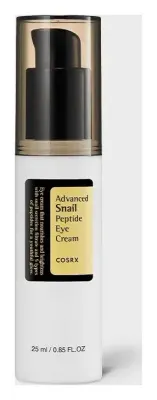
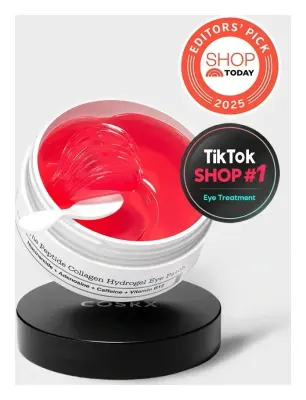
Dermatological Acne & Chemical Exfoliating Liquids (4)
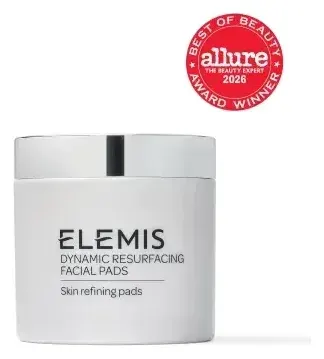
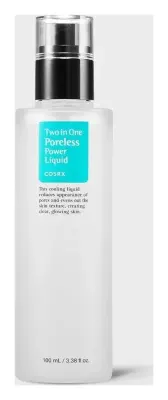
Sheet, Hydrogel & Clay Masks (4)

Skin Barrier Repair Creams & Recovery Jars (3)
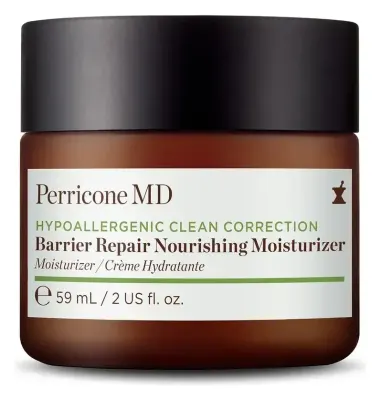

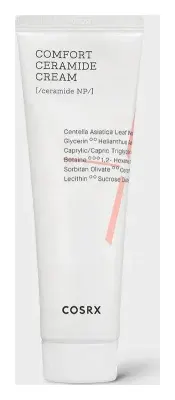
Anti-Aging & Retinoid Serums (2)
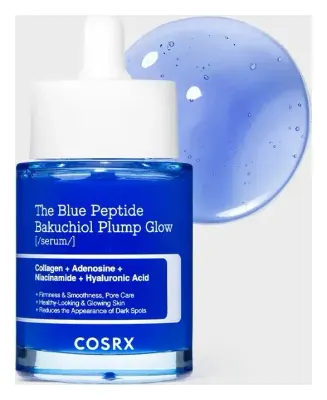

Premium Overnight Recovery Packs & Sleeping Facials (2)
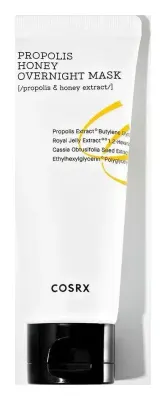
Gel, Foam & Cream Facial Cleansers (2)
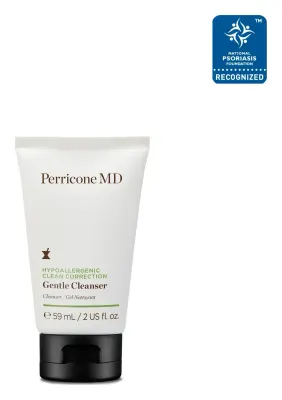
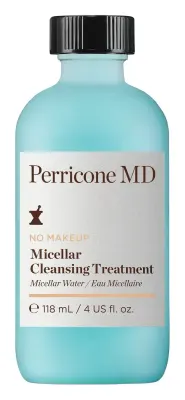
Pimple Patches & Overnight Spot Treatments (1)
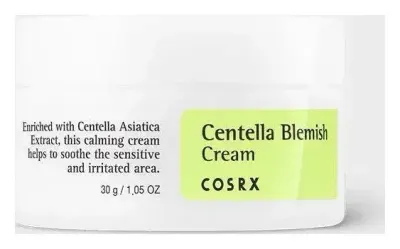
Premium Double-Cleansing Balms & Melting Gels (1)
Common questions
What does betaine do in skincare?
Betaine is a humectant and skin-conditioning ingredient. It helps a formula feel more comfortable and is commonly included in moisturizing products.
Is betaine the same as betaine from sugar beets?
Betaine occurs naturally in plants such as sugar beets, and cosmetic material may be plant-derived or made another way. The label name alone does not tell you the source.
Is betaine an active ingredient?
It is sometimes marketed as an active, but its familiar cosmetic role is hydration and conditioning. Do not expect it to act like a targeted treatment ingredient.
Can you use betaine with other skincare ingredients?
Betaine is a supporting humectant and does not have a common incompatibility with routine skincare ingredients. Choose products for the complete formula and follow their directions.