Biosaccharide Gum-1
What biosaccharide gum-1 does as a fermented sugar polymer in moisturizers and serums, and what it can and can't do for skin.
No specific flag recordedIn 43 products we cover
We may earn a commission when you buy through links on this page. It never changes what we recommend.
Quick facts
- INCI name
- Biosaccharide Gum-1
- Origin
- Biotech (fermentation)
- Chemical class
- Microbial polysaccharide (fermentation gum)
- What it does in a formula
- skin conditioning
- Why it is in the formula
- Adds a smooth, moisturized feel and a light film that helps skin feel soft after the product dries.
- Regulatory notes
- The Cosmetic Ingredient Review panel found microbial polysaccharide gums, including biosaccharide gum-1, safe in the present practices of use and concentration in cosmetics.
What is Biosaccharide Gum-1?
Biosaccharide gum-1 is a large sugar molecule made by fermentation. The Cosmetic Ingredient Review panel describes it as a fermentation gum derived from sorbitol, built from repeating units of three sugars: fucose, galactose and galacturonic acid.
Because it’s made by microbes rather than pulled from a plant, it sits in the same family as other fermentation gums such as xanthan gum. You’ll find it in moisturizers, serums, eye creams and some makeup, usually in the middle or lower half of the ingredient list.
What does Biosaccharide Gum-1 do?
- Conditions skin. Its official job is skin conditioning. It leaves a thin, smooth film that makes skin feel soft and moisturized.
- Improves the feel of a formula. It can give a serum or cream a silky slip without an oily finish.
That’s the realistic picture. You may see claims about soothing or long-lasting hydration on packaging. Those are a brand’s claims about its own formula, and the ingredient name alone doesn’t predict them.
Who is Biosaccharide Gum-1 for?
It suits most skin types. People with dry or dehydrated skin may like the smooth, cushioned feel it adds, and it doesn’t feel greasy on oily skin. The safety review reported its use in hundreds of formulations, including leave-on products, and concluded it is safe as used.
If you have very reactive skin, the rest of the formula, such as fragrance or strong actives, is more likely to matter than this ingredient. Patch-test new products as usual. Because it’s a conditioning ingredient rather than an active, it doesn’t need the slow introduction that exfoliating acids or retinoids do.
What to pair Biosaccharide Gum-1 with, and what to avoid
It often appears with other humectants, such as glycerin and hyaluronic acid, and it fits easily into a layered hydration routine. There’s nothing you need to avoid with it.
Quick picks with Biosaccharide Gum-1
Best fragrance-free pick
No scent or sensitivity flags recorded in our glossary
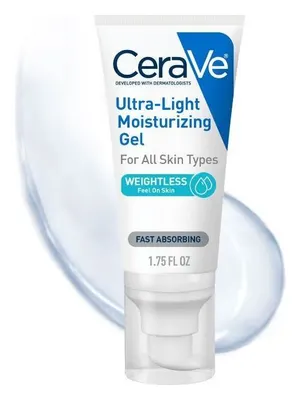
CeraVe Ultra-Light Moisturizing Gel
Ceramides, niacinamide, hyaluronic acid · oily, dry, sensitive, normal skin · no scent flags recorded
Best for dry skin
Brand lists it for dry skin
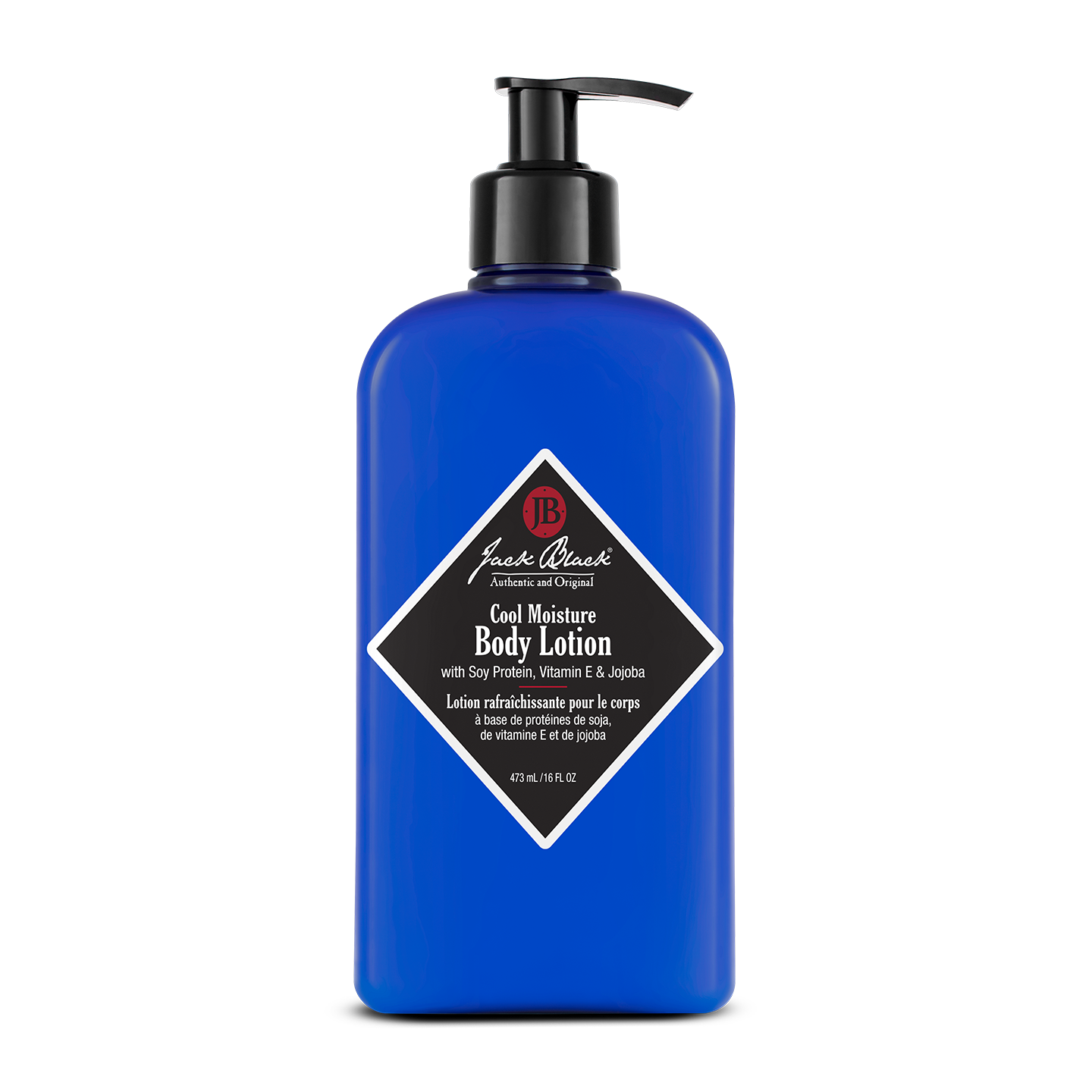
Jack Black Cool Moisture Body Lotion
Macadamia oil, jojoba oil, soy protein, vitamin E, glycerin · dry skin · scent ingredients flagged
Good for most skin types
Brand lists it for all skin types
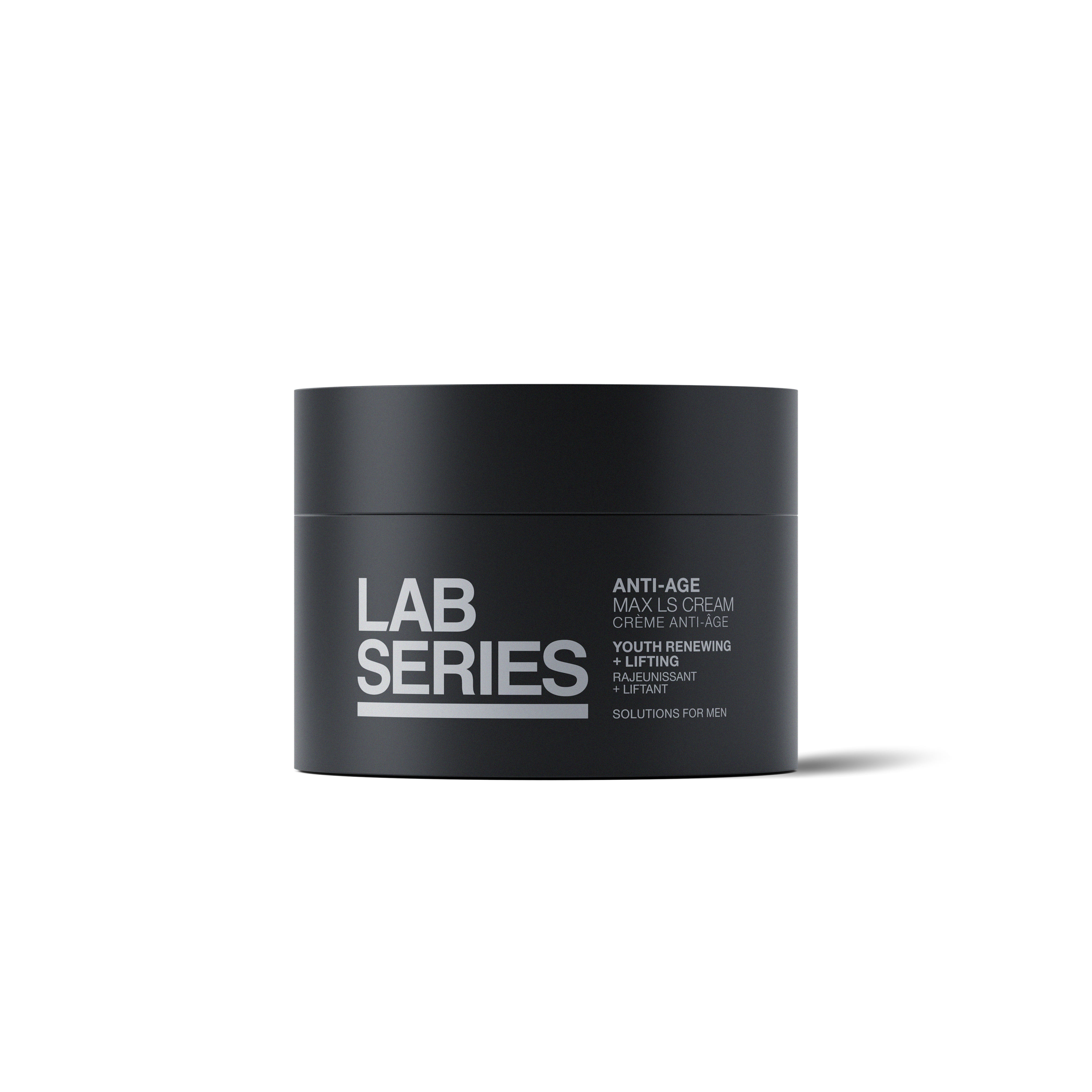
Lab Series Anti-Age Max LS Cream Moisturizer
Palmitoyl tetrapeptide-7, acetyl hexapeptide-8, sodium hyaluronate, coffee seed oil · oily, dry, combination, sensitive, normal skin · scent ingredients flagged
All 43 products with Biosaccharide Gum-1
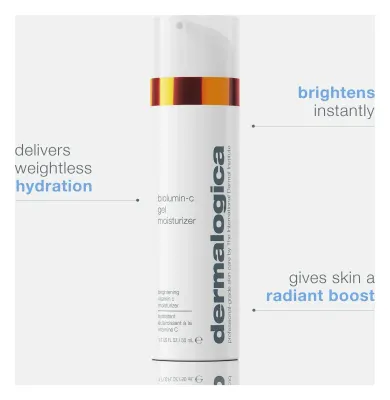
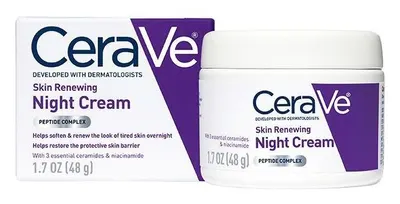
Daily Moisturizers & Water Gel Creams (3)
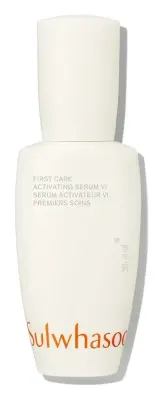
Hydrating Serums, Essences & Ampoules (2)
Body Creams, Butters & Body Oils (2)

Anti-Aging & Retinoid Serums (2)
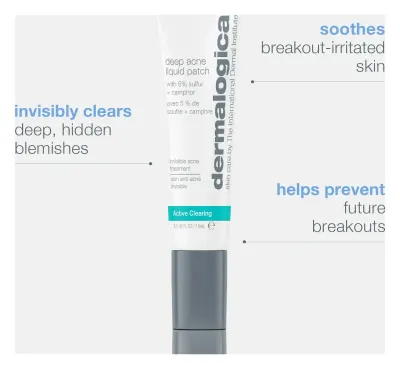
Pimple Patches & Overnight Spot Treatments (1)
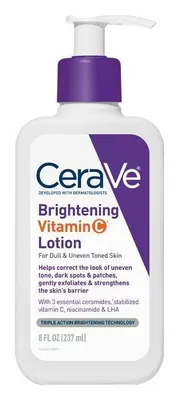
Targeted Vitamin C & Brightening Correctors (1)
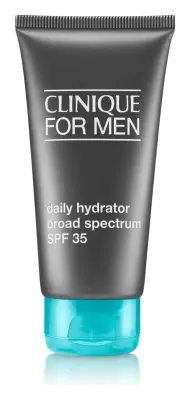
Daily Sunscreens & SPF Moisturizers (1)
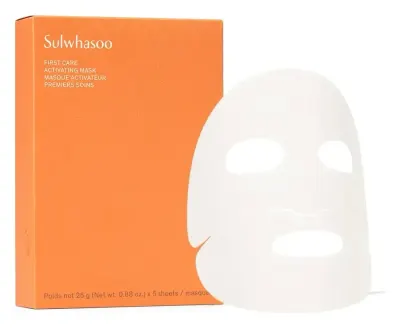
Sheet, Hydrogel & Clay Masks (1)
From stores: products with Biosaccharide Gum-1
Hydrating Serums, Essences & Ampoules (16)
 Abib - Heartleaf TECA Capsule Serum Calming Drop - 50ml (2ea) Set
 Abib - Heartleaf TECA Capsule Serum Calming Drop - 50ml (4ea) Set
 ANUA - Azelaic Acid 10 Hyaluron Redness Soothing Serum - 30ml
 ANUA - Azelaic Acid 10 Hyaluron Redness Soothing Serum Mini - 10ml
 MISSHA - Time Revolution Primestem 100 Lifting Serum - 50ml
- MISSHA - Time Revolution Primestem 100 Lifting Serum - 50ml
 SKIN1004 - Madagascar Centella Poremizing Fresh Ampoule - 100ml
 SKIN1004 - Madagascar Centella Poremizing Fresh Ampoule - 100ml
 SKIN1004 - Madagascar Centella Poremizing Fresh Ampoule - 100ml (10ea) Set
 SKIN1004 - Madagascar Centella Poremizing Fresh Ampoule - 100ml (2ea) Set
 SKIN1004 - Madagascar Centella Poremizing Fresh Ampoule - 100ml (3ea) Set
 SKIN1004 - Madagascar Centella Poremizing Fresh Ampoule - 100ml (4ea) Set
 SKIN1004 - Madagascar Centella Poremizing Fresh Ampoule - 100ml (8ea) Set
 SKIN1004 - Madagascar Centella Poremizing Fresh Ampoule - 30ml
 SKIN1004 - Madagascar Centella Poremizing Fresh Ampoule - 30ml
 SKIN1004 - Madagascar Centella Poremizing Fresh Ampoule - 50ml
Daily Moisturizers & Water Gel Creams (4)


Daily Sunscreens & SPF Moisturizers (10)
 haruharu wonder - Black Rice Moisture Airyfit Daily Sunscreen SPF50+ PA++++ - 50ml
- haruharu wonder - Black Rice Moisture Airyfit Daily Sunscreen SPF50+ PA++++ - 50ml
 haruharu wonder - Black Rice Moisture Airyfit Daily Sunscreen SPF50+ PA++++ - 50ml (10ea) Set
 haruharu wonder - Black Rice Moisture Airyfit Daily Sunscreen SPF50+ PA++++ - 50ml (10ea) Set
 haruharu wonder - Black Rice Moisture Airyfit Daily Sunscreen SPF50+ PA++++ - 50ml (2ea) Set
 haruharu wonder - Black Rice Moisture Airyfit Daily Sunscreen SPF50+ PA++++ - 50ml (2ea) Set
 haruharu wonder - Black Rice Moisture Airyfit Daily Sunscreen SPF50+ PA++++ - 50ml (3ea) Set
 haruharu wonder - Black Rice Moisture Airyfit Daily Sunscreen SPF50+ PA++++ - 50ml (3ea) Set
 haruharu wonder - Black Rice Moisture Airyfit Daily Sunscreen SPF50+ PA++++ - 50ml (8ea) Set
 haruharu wonder - Black Rice Moisture Airyfit Daily Sunscreen SPF50+ PA++++ - 50ml (8ea) Set
Common questions
What is biosaccharide gum-1 made from?
It's a gum made by fermentation, starting from sorbitol, a sugar alcohol. The result is a large sugar polymer built from fucose, galactose and galacturonic acid units.
What does biosaccharide gum-1 do for skin?
It's classed as a skin-conditioning ingredient. It leaves a light, smooth film that helps skin feel moisturized and soft. Treat any bigger claims as marketing unless a product shows its own testing.
Is biosaccharide gum-1 safe?
A cosmetic safety panel concluded it is safe as used in cosmetics. Reactions are always possible with any product, so stop using one that bothers your skin.
Is biosaccharide gum-1 the same as hyaluronic acid?
No. Both are large sugar-based molecules used for a moisturized feel, but they're made of different building blocks. You'll often find them in the same moisturizers and serums.