Caprylyl/Capryl Glucoside
What this sugar-derived surfactant does in cleansers, how mildness depends on the full formula, and why allergies are still possible.
Extremely safeIn 10 products we cover
We may earn a commission when you buy through links on this page. It never changes what we recommend.
Quick facts
- INCI name
- Caprylyl/Capryl Glucoside
- Origin
- Plant-derived or Synthetic
- Chemical class
- Nonionic alkyl-glucoside surfactant
- What it does in a formula
- cleansing, surfactant, emulsifying
- Why it is in the formula
- It helps cleanse or emulsify a formula while supporting a mild-feeling lather.
What it is
To gently lift oils and soil in foaming cleansers, formulators rely on caprylyl/capryl glucoside, a nonionic surfactant in the alkyl glucoside family. Its structure combines a water-loving glucose head with fatty hydrocarbon chains, allowing it to solubilize fragrances and blend oil and water phases. While frequently made from plant-based feedstocks, the INCI designation describes the chemical entity rather than certifying natural status.
A surfactant’s job is to help water lift oil and dirt so they can rinse away. Alkyl glucosides are often chosen for a mild-feeling cleanser, but the ingredient name does not make every formula gentle by default. The whole surfactant blend, pH, contact time and how much you use shape the experience.
What it does
- Cleanses. It helps loosen oily material and soil so they can be rinsed from skin.
- Creates or supports lather. It can contribute to foam, though foam is not a reliable measure of cleansing power.
- Helps mix ingredients. In some products it helps disperse oily components in a water-based formula.
Who it suits
It may suit people looking for a cleanser that does not leave an overly squeaky feel, but mildness is a property of the finished formula rather than a guarantee from one surfactant. If your skin feels tight after washing, consider using a gentler cleanser less often or choosing one with a different surfactant blend.
Alkyl glucosides have a mild reputation but are documented contact allergens for some people. If you have known allergy or a history of reactions to glucoside cleansers, check the full label and patch-test cautiously. Stop using a product that causes recurring irritation and consult a dermatologist if you need help identifying the trigger.
What to pair it with, and what not to
This ingredient is usually in a rinse-off cleanser, so pair the cleanser with a moisturizer if your skin feels dry afterward. Avoid scrubbing harder to compensate for a cleanser that feels too strong; consider a different formula instead. Follow the rinse-off directions on the package.
Skin Realist check: A cleanser should do its job and leave quietly. That is enough drama for a sink.
Quick picks with Caprylyl/Capryl Glucoside
Scent-free, no patch-test flags on the label
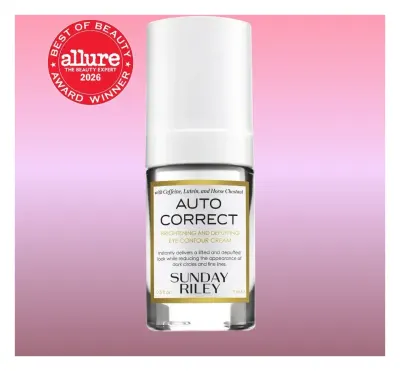
Sunday Riley Auto Correct Brightening + Depuffing Eye Cream
Caffeine · scent-free label
AmazonBrand lists it for sensitive skin
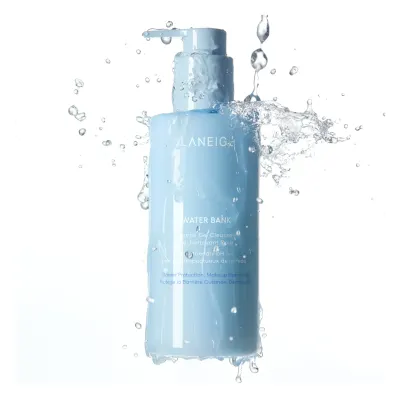
Laneige Water Bank Gentle Gel Cleanser
Blue Hyaluronic Acid, allantoin, and amino acid complex · sensitive skin · scent-free label
AmazonBrand lists it for oily skin
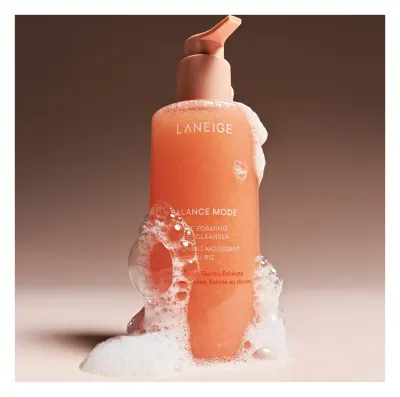
Laneige Balance Mode Rice Foaming Deep Cleanser
Rice-inamide Complex, rice powder, glycolic acid, and ceramide · combination, oily, normal, sensitive skin · scent-free label
Amazon
All 10 products with Caprylyl/Capryl Glucoside
Gel, Foam & Cream Facial Cleansers (4)
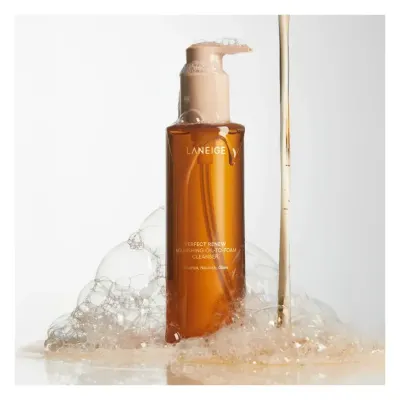
Hydrating Serums, Essences & Ampoules (2)
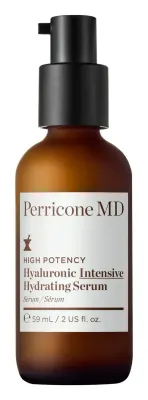
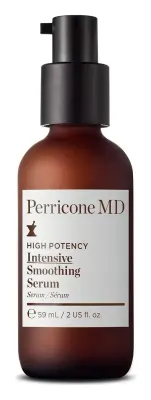
Eye Creams & Under-Eye Patches (1)
Premium Double-Cleansing Balms & Melting Gels (1)
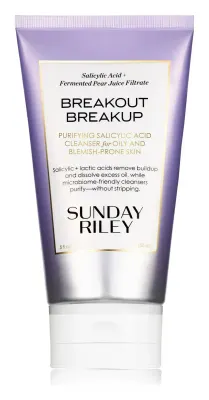
Hydrating Toners, Essence Waters & Face Mists (1)
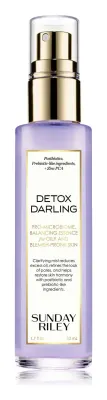
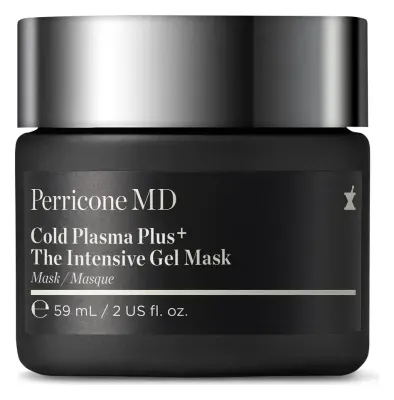
Cream & Gel Treatment Masks (1)
Common questions
What does Caprylyl/Capryl Glucoside do?
It is a nonionic surfactant used to help lift oil and soil during cleansing. It can also help blend ingredients in some formulas.
Is Caprylyl/Capryl Glucoside a gentle cleanser?
Alkyl glucosides have a mild reputation, but cleanser mildness depends on concentration, other surfactants, pH and how long you leave it on. Some people can also develop contact allergy to glucosides.
Can glucoside surfactants cause an allergy?
Yes. Contact allergy to alkyl glucosides has been reported, even though they are often used in products described as gentle. If you have a known allergy, check the label and ask a clinician about alternatives.
Is it derived from sugar?
The glucoside part is based on glucose and is combined with fatty alcohol chains to make a surfactant. Its exact sourcing and manufacturing details depend on the ingredient supplier.