Collagen Amino Acids
What collagen amino acids do in skincare, how hydrolyzed collagen differs from intact collagen, and what topical evidence can show.
Extremely safeIn 39 products we cover
We may earn a commission when you buy through links on this page. It never changes what we recommend.
Quick facts
- INCI name
- Collagen Amino Acids
- Origin
- Animal-derived or Plant-derived or Synthetic
- Chemical class
- Hydrolyzed protein and amino-acid mixture
- What it does in a formula
- humectant, film forming, skin conditioning
- Why it is in the formula
- It helps form a moisture-holding film on the skin's surface and gives products a conditioned feel.
What it is
Unlike the structural collagen found naturally in deeper dermal tissue, cosmetic collagen and hydrolyzed collagen amino acids are surface-acting proteins that bind moisture at the stratum corneum. Related label terms include Hydrolyzed Collagen, which describes collagen broken down into smaller peptide fragments. These ingredients are commonly animal-derived, typically from bovine or fish sources, though cosmetic labels rarely specify the exact supply route. Because sourcing varies across manufacturers, origin covers several potential supply paths. Topically applied, these relatively large protein molecules remain on the skin surface to help condition and retain hydration.
What it does
- Binds water at the surface. Collagen-derived ingredients can function as humectants and help a product leave skin feeling hydrated.
- Forms a light film. A film can temporarily smooth the feel of skin and support a conditioned finish.
- Supports product feel. These ingredients are often included for surface moisturization rather than rebuilding skin structure. It is a supporting ingredient, not the reason to buy a product.
Who it suits
If you like a smooth, moisturized finish, a formula containing collagen amino acids may be pleasant. The ingredient does not determine whether the whole product will suit you; the rest of the formula and your texture preferences matter. People with a fish or other animal-protein allergy should check the source with the manufacturer and speak with their doctor before using a product if they are uncertain. A label may not reveal enough detail to settle that question.
Keep claims in perspective. Topical collagen cannot replace or build your skin’s own collagen in deeper layers. Much of the research people encounter relates to oral supplements, lab work, or other collagen preparations, not strong evidence that a topical cosmetic changes skin structure. A cream can still moisturize and make skin feel smoother without making that larger claim. If you are managing a skin condition, ask a dermatologist rather than relying on a cosmetic protein ingredient.
What to pair it with, and what not to
Collagen-derived humectants can appear alongside glycerin and other water-binding ingredients, with a moisturizer helping maintain a comfortable finish. They do not need to be paired with a specific active. Choose a product for its complete formula and avoid treating topical collagen as a substitute for evidence-based advice about skin concerns.
Skin Realist check: A label can borrow a lot of confidence from the word collagen. Keep the expectations topical: a surface moisturizer is still a surface moisturizer.
How it appears on labels: Collagen Amino Acids; Hydrolyzed Collagen
Quick picks with Collagen Amino Acids
Scent-free, no patch-test flags on the label
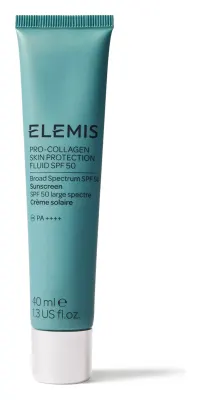
Elemis Pro-Collagen Skin Protection Fluid SPF 50
Padina pavonica, collagen amino acids, leuconostoc/radish root ferment filtrate · combination, dry, normal, oily, sensitive skin · scent-free label
AmazonBrand lists it for sensitive skin
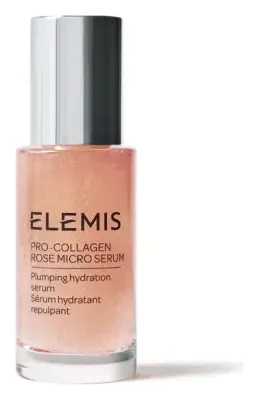
Elemis Pro-Collagen Rose Micro Serum
Rose extract, padina pavonica, collagen amino acids, and glycerin · sensitive skin · scented
AmazonBrand lists it for oily skin
Elemis Pro-Collagen Marine Cream for Men
Padina pavonica, ginkgo biloba, and wheat germ oil · combination, dry, normal, oily skin · scented
Amazon
All 39 products with Collagen Amino Acids
Daily Moisturizers & Water Gel Creams (10)
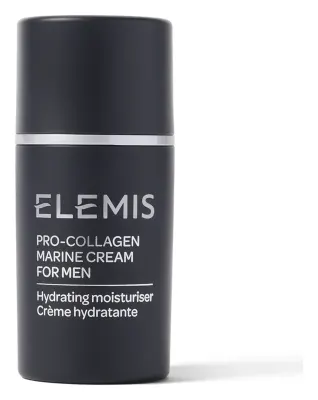 Elemis Pro-Collagen Marine Cream for MenAmazon
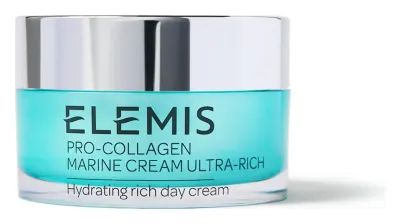 Elemis Pro-Collagen Marine Cream Ultra-RichAmazon
 Elemis Pro-Collagen Night CreamAmazon
 COSRX The Blue Peptide Bakuchiol Plump Bounce CreamAmazon
 Elemis ULTRA SMART Pro-Collagen Day CreamAmazon
 Dermalogica pro-collagen banking water creamAmazon
 Elemis Pro-Collagen Morning MatrixAmazon
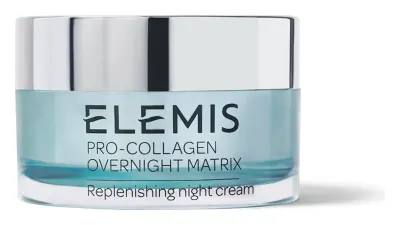 Elemis Pro-Collagen Overnight MatrixAmazon
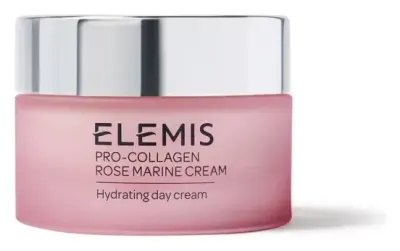 Elemis Pro-Collagen Rose Marine CreamAmazon
 Elemis ULTRA SMART Pro-Collagen Night GeniusAmazon
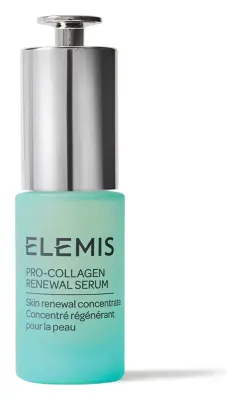
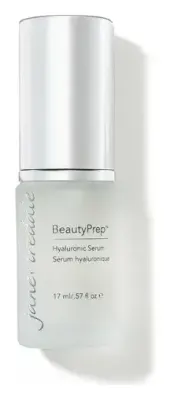
Hydrating Serums, Essences & Ampoules (6)

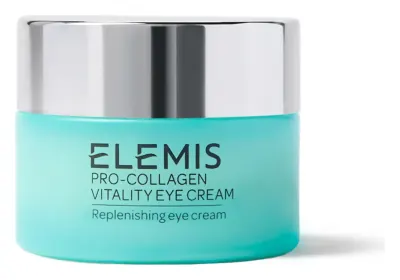
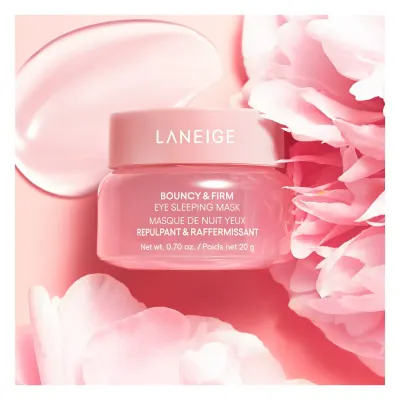
Eye Creams & Under-Eye Patches (5)
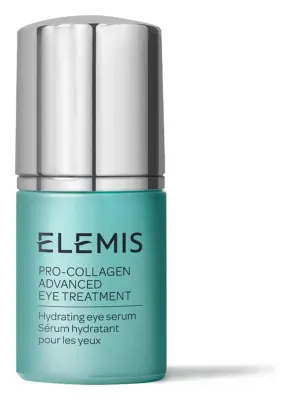
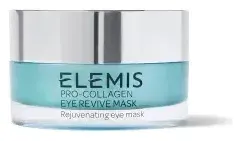

Sheet, Hydrogel & Clay Masks (3)



Premium Overnight Recovery Packs & Sleeping Facials (2)


Body Creams, Butters & Body Oils (2)

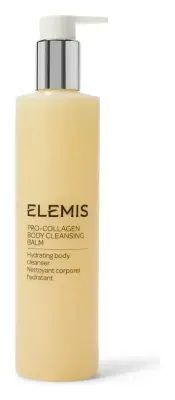
Cream & Gel Treatment Masks (2)

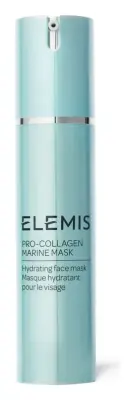
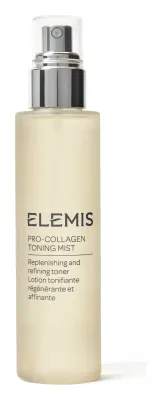
Hydrating Toners, Essence Waters & Face Mists (2)
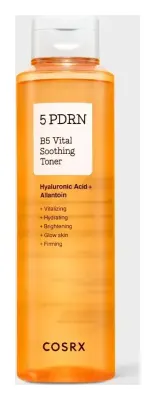
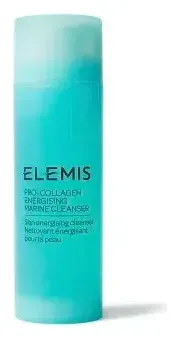
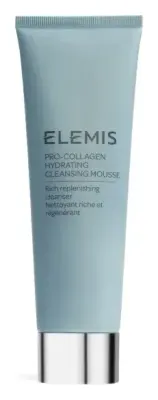
Gel, Foam & Cream Facial Cleansers (2)
Daily Sunscreens & SPF Moisturizers (1)
Anti-Aging & Retinoid Serums (1)
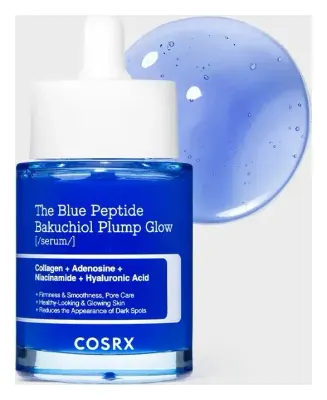
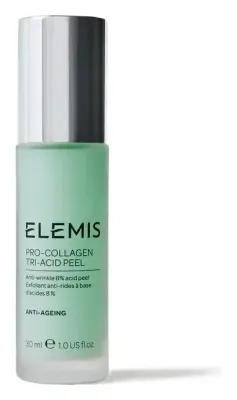
Physical & Enzyme Face Exfoliants (1)
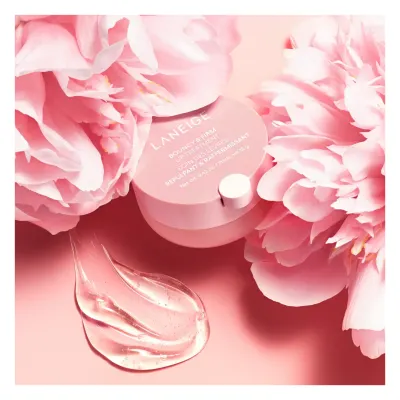
Intensive Lip Recovery Masks & Tinted Balms (1)
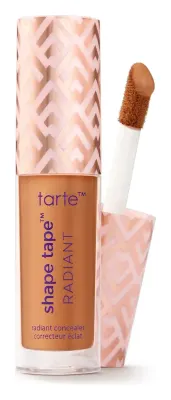
High-Definition Camouflage Concealers (1)
Common questions
Does topical collagen build the skin's collagen?
No. Collagen and hydrolyzed collagen in a topical cosmetic mainly act at the surface as humectants and film formers. They do not replace or rebuild the collagen deeper in skin.
What are collagen amino acids in skincare?
They are small components or hydrolysis products of collagen proteins used in cosmetics. They can help attract water and leave a smooth film, depending on the formula.
Is cosmetic collagen always animal-derived?
It is commonly sourced from animal collagen, often bovine or fish, but the origin can vary by supplier and ingredient. A label that says collagen does not reliably identify the source, so check with the manufacturer if origin matters to you.
Is there strong evidence for topical collagen?
Evidence for cosmetic collagen applied to skin is limited, and many claims about collagen focus on oral supplements or lab research rather than topical human use. For a topical product, think of it as a moisturizing and film-forming ingredient, not a way to build skin's own collagen.