Copper Gluconate
What copper gluconate contributes to skincare, what limited topical research can say, and why it is usually a supporting ingredient.
Extremely safeIn 12 products we cover
We may earn a commission when you buy through links on this page. It never changes what we recommend.
Quick facts
- INCI name
- Copper Gluconate
- CAS number
- 527-09-3
- Origin
- Mineral or Synthetic
- Chemical class
- Copper salt of gluconic acid
- What it does in a formula
- skin conditioning
- Why it is in the formula
- It supplies copper to a formula and is used as a skin-conditioning ingredient.
What it is
Copper gluconate is a mineral salt combining elemental copper with gluconic acid, formulated into leave-on serums and creams as a skin-conditioning agent. It provides copper in a stable, water-soluble form and is chemically distinct from copper peptide complexes. A product label confirms its presence but does not reveal its concentration or the exact formula ratio.
Copper-related ingredients are sometimes discussed together in skincare marketing, but they should not be treated as interchangeable. Research on copper peptides or studies of dietary copper do not establish the performance of copper gluconate in a face cream. Human evidence for this topical cosmetic ingredient is limited, so any discussion of visible benefits needs to stay modest.
What it does
- Conditions skin. It is included as a skin-conditioning ingredient in a finished formula.
- Supplies copper. The gluconate salt is one way to incorporate a copper-containing ingredient into cosmetics.
- Adds to a formula, not a promise. Its presence does not establish that a product will visibly change a particular skin concern.
Who it suits
Copper gluconate is a supporting ingredient, and there is no reason to add it simply because copper sounds technical. If you want to try a product containing it, judge the entire formula and introduce one new product at a time. Sensitive skin can react to any ingredient or combination, so stop use if persistent irritation develops.
Keep expectations measured. The topical human evidence for copper gluconate is limited, and claims drawn from lab experiments, copper peptides or oral supplements do not prove the same effect in cosmetics. It is not a substitute for sunscreen, a moisturizer or care from a dermatologist for a medical condition. If a skin issue is persistent, get professional advice instead of relying on a cosmetic ingredient.
What to pair it with, and what not to
There is no established pairing requirement for copper gluconate. Use a product as directed and avoid building a routine around speculative ingredient combinations. Basic steps such as a suitable moisturizer and daytime sunscreen are more practical anchors than layering several products with overlapping promises.
Skin Realist check: An ingredient can be interesting without needing to headline your whole routine.
Quick picks with Copper Gluconate
Scent-free, no patch-test flags on the label
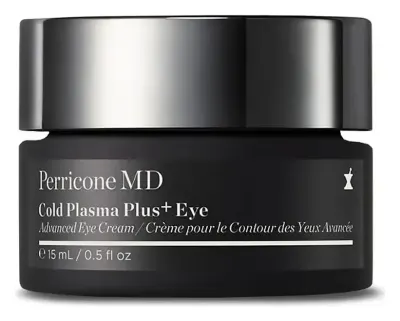
Perricone MD Cold Plasma Plus+ Advanced Eye Cream
Vitamin C Ester, omegas 3, 6 and 9, and peptides · scent-free label
AmazonBrand lists it for sensitive skin
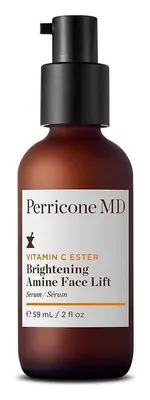
Perricone MD Vitamin C Ester Brightening Amine Face Lift
Vitamin C Ester, glycolic acid and copper complex · oily, dry, combination, sensitive, normal skin · scented
Amazon
All 12 products with Copper Gluconate
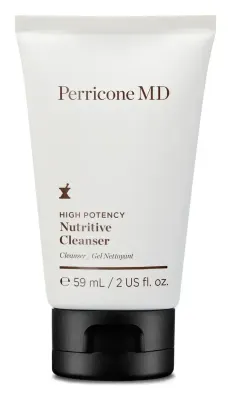
Gel, Foam & Cream Facial Cleansers (4)
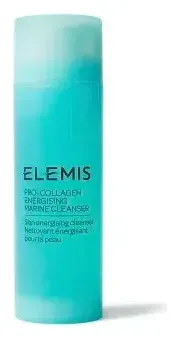

Daily Moisturizers & Water Gel Creams (2)


Eye Creams & Under-Eye Patches (1)
Targeted Vitamin C & Brightening Correctors (1)
Body Creams, Butters & Body Oils (1)
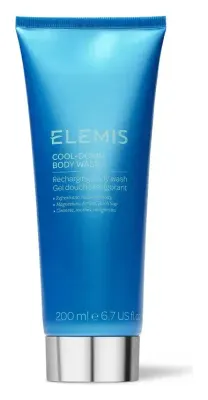
Hydrating Toners, Essence Waters & Face Mists (1)
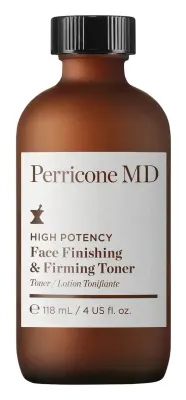
Anti-Aging & Retinoid Serums (1)

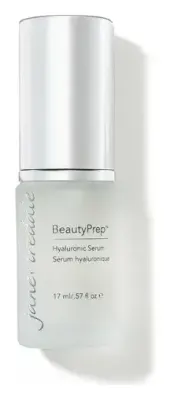
Hydrating Serums, Essences & Ampoules (1)
Common questions
What does copper gluconate do in skincare?
It is a copper salt used as a skin-conditioning ingredient. Some products include it among ingredients marketed around skin appearance, but it is usually one part of a larger formula.
Is there strong evidence for topical copper gluconate?
Evidence for this specific ingredient in topical cosmetics is limited. Findings about copper peptides or oral copper supplements are not the same as evidence for copper gluconate applied in a cosmetic.
Is copper gluconate the same as copper peptides?
No. Copper gluconate is a copper salt, while copper peptides are complexes in which copper is associated with peptides. They are not interchangeable ingredient names.
Can copper gluconate irritate skin?
Any formula can bother some users, and the rest of the product matters too. If you notice persistent discomfort, stop using it and ask a dermatologist for guidance.