Copper Peptides
What copper peptides are, how GHK-Cu is used in skincare, what results to expect, and how to add a peptide product thoughtfully.
Extremely safeIn 11 products we cover
We may earn a commission when you buy through links on this page. It never changes what we recommend.
What it is
Copper peptides are small peptide molecules associated with copper. GHK-Cu is a well-known example, and Copper Tripeptide-1 is a name that may appear on an ingredient label. They belong to the wider family of skincare peptides, but are not interchangeable with every ingredient that happens to include the word peptide.
These ingredients appear in serums and other leave-on formulas, often alongside hydrators or other skin-conditioning ingredients. Because the formula determines texture, stability, and how the product is used, the name alone cannot tell you exactly how a product will perform. Our broader peptides page covers other peptide types, including signal peptides.
What it does
- Supports a smoother-looking appearance. Copper peptide products are often positioned around the look of fine lines and skin texture. Results vary, and a label claim is not a guarantee.
- May support firmer-looking skin. Peptides are studied for their interactions with skin-related processes, but topical cosmetics should not be expected to rebuild or repair tissue.
- Adds a distinct option to peptide routines. It is one branch of the peptide category, not necessarily a replacement for other ingredients with different roles.
- Works as part of a full formula. A product may contain supportive moisturizing ingredients too, so consider its complete ingredient list and how it feels on your skin.
Who it suits
If you are interested in peptides for the look of fine lines or texture, a copper peptide product may be worth considering, with realistic expectations. It is not a must-have, and evidence is not uniform across products. Follow the label directions, and introduce it on its own so you can tell how your skin responds. If you experience persistent irritation, stop using the product. A dermatologist can advise you about ongoing skin concerns.
What to pair it with, and what not to
A basic moisturizer and daytime sunscreen can round out a routine. Some brands advise against using copper peptides in the same application as low-pH vitamin C or strong exfoliating acids, but formulas and recommendations differ. Check the specific directions rather than treating every ingredient combination as a universal rule. If you want to use vitamin C or an exfoliant too, try them at separate times and add each product gradually. Do not introduce several new actives in the same week.
Skin Realist check: A name that sounds advanced is not a reason to build a twelve-step routine around it. Copper peptides can be interesting without needing to become your entire skincare personality.
How it appears on labels: Copper Tripeptide-1; Copper Tripeptide-1 (GHK-Cu)
Quick picks with Copper Peptides
Scent-free, no patch-test flags on the label
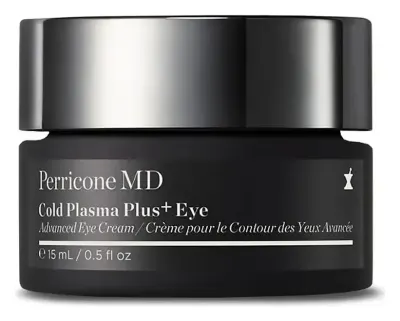
Perricone MD Cold Plasma Plus+ Advanced Eye Cream
Vitamin C Ester, omegas 3, 6 and 9, and peptides · scent-free label
AmazonFeatured in our guides
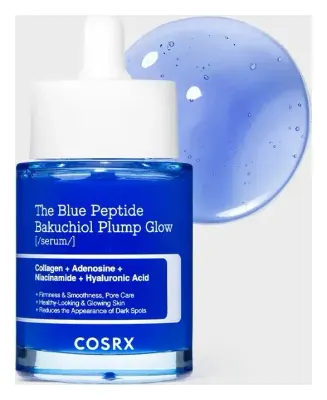
COSRX The Blue Peptide Bakuchiol Plump Glow Serum
Copper Peptide + Bakuchiol · scent-free label
Amazon
All 11 products with Copper Peptides
Eye Creams & Under-Eye Patches (2)
Daily Moisturizers & Water Gel Creams (2)


Anti-Aging & Retinoid Serums (1)
Hydrating Serums, Essences & Ampoules (1)

Sheet, Hydrogel & Clay Masks (1)

Body Creams, Butters & Body Oils (1)
Gel, Foam & Cream Facial Cleansers (1)
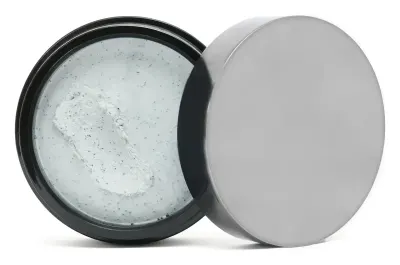
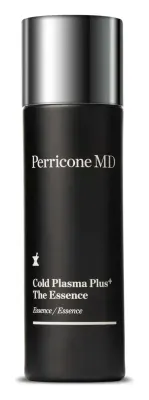
Hydrating Toners, Essence Waters & Face Mists (1)
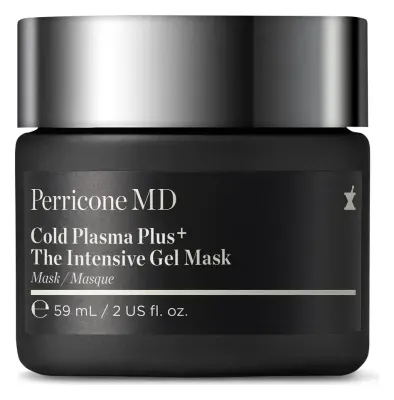
Cream & Gel Treatment Masks (1)
Common questions
What are copper peptides in skincare?
Copper peptides are peptides associated with copper. GHK-Cu and Copper Tripeptide-1 are names commonly seen in skincare ingredient discussions and on labels.
What do copper peptides do for skin?
They are used in products aimed at supporting smoother- or firmer-looking skin. Research and product results vary, so treat marketing language as a possibility rather than a guaranteed outcome.
Can you use copper peptides with vitamin C?
Some product makers recommend separating copper peptides and acidic vitamin C products, while formulas differ. Check both product directions and introduce them separately if you are unsure how your skin will respond.
Are copper peptides the same as other peptides?
They are one type within the broader peptide category. Other signal peptides, such as palmitoyl or acetyl peptides, do not necessarily contain copper and have different structures.