Peptides
What skincare peptides are, how signal peptides are used in formulas, who might choose them, and what to know before adding one.
Extremely safeIn 86 products we cover
We may earn a commission when you buy through links on this page. It never changes what we recommend.
What it is
Peptides are short chains of amino acids, the building blocks used to make proteins. Skincare formulas use several kinds of peptides, often grouped by the role they are intended to play. Signal peptides, for example, are designed to interact with skin processes involved in the look of firmness or smoothness. You may see names such as Palmitoyl Tripeptide-1 or Acetyl Hexapeptide-8 on labels.
The word peptide does not describe one single ingredient or guarantee one particular effect. Different peptide structures behave differently, and a finished formula has to deliver them in a usable way. Copper peptides are a distinct, popular branch of the family, covered on their own copper peptides page.
What it does
- Targets the look of fine lines. Some peptide products are formulated to support smoother-looking skin over time. Results are often subtle and depend on the formula and regular use.
- Supports a firmer-looking appearance. Signal peptides are studied for how they interact with skin-related processes, but product claims should not be read as a promise to rebuild skin structure.
- Offers a non-exfoliating active option. Peptides do not work like exfoliating acids, so they can be considered by people who prefer not to make every active step a peeling step.
- Adds variety to a formula. Peptides may be included with hydrators, antioxidants, or other ingredients, making the entire product worth evaluating rather than one label name alone.
Who it suits
Peptides may interest you if you want a leave-on product focused on the look of fine lines or firmness without choosing an exfoliating acid. The product’s base and other ingredients may matter as much as the peptide itself. They are usually used according to the product directions, and anyone can react to a formula, so patch-test if your skin is easily unsettled. Keep expectations measured: evidence is not the same for every peptide, and more peptides on a label does not automatically mean a better result.
What to pair it with, and what not to
Peptide products can fit beside moisturizer and sunscreen, and many are formulated with ingredients such as niacinamide or hyaluronic acid. They are not known as a group for a universal ingredient clash. If your routine also includes a retinoid or exfoliant, start new products separately and pay attention to dryness or irritation. You do not need a complicated layering ritual; use the texture that fits your routine and follow the label.
Skin Realist check: Peptides sound like they should come with a lab coat and a dramatic soundtrack. They are still just one part of a formula, so let the whole product earn its place on your shelf.
How it appears on labels: Acetyl Hexapeptide-8; Palmitoyl Tripeptide-1; Palmitoyl Tetrapeptide-7; ACETYL TETRAPEPTIDE-11; ACETYL OCTAPEPTIDE-3; ACETYL HEPTAPEPTIDE-4; Palmitoyl Tripeptide-5; Copper Tripeptide-1; HEXAPEPTIDE-9; Arginine/Lysine Polypeptide; Acetyl Tetrapeptide-9; Acetyl Tetrapeptide-5; Acetyl Tetrapeptide-2; Dipeptide Diaminobutyroyl Benzylamide Diacetate; Acetyl Hexapeptide-1; Palmitoyl Pentapeptide-4
Quick picks with Peptides
Scent-free, no patch-test flags on the label
Sunday Riley A.I. Smart Retinoid Serum
Hydroxypinacolone Retinoate · scent-free label
AmazonBrand lists it for sensitive skin
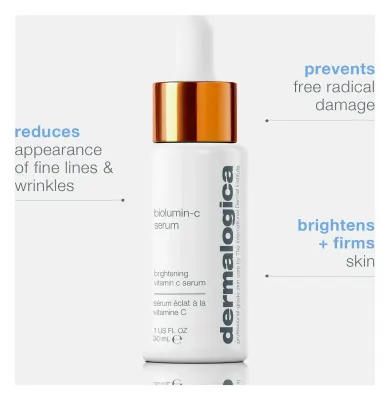
Dermalogica biolumin-c vitamin c serum
Vitamin C · oily, dry, combination, sensitive, normal skin · scented
AmazonBrand lists it for oily skin
Dermalogica awaken peptide depuffing eye gel
Caffeine, tetrapeptides, rosemary leaf extract, succinic acid blend, Voandzeia subterranea seed extract and lactic acid · oily, dry, combination, sensitive, normal skin · scent-free label
Amazon
All 86 products with Peptides
Eye Creams & Under-Eye Patches (19)
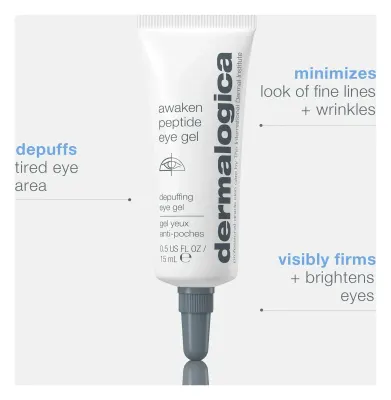 Dermalogica awaken peptide depuffing eye gelAmazon
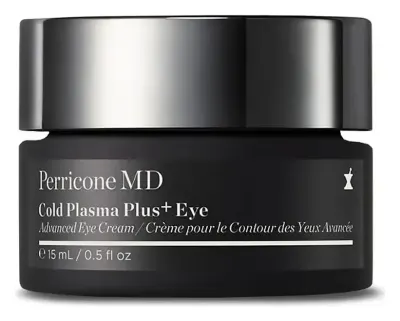 Perricone MD Cold Plasma Plus+ Advanced Eye CreamAmazon
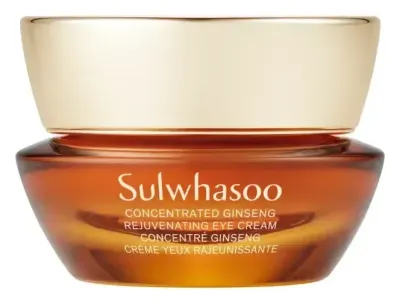 Sulwhasoo Concentrated Ginseng Rejuvenating Eye CreamAmazon
 Dermalogica age reversal eye complexAmazon
 Dermalogica biolumin-c vitamin c eye serumAmazon
 Dermalogica phyto nature lifting eye creamAmazon
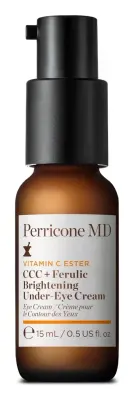 Perricone MD Vitamin C Ester CCC + Ferulic Brightening Under-Eye CreamAmazon
 COSRX 5 PDRN Collagen Vitalizing Hydrogel Eye PatchAmazon
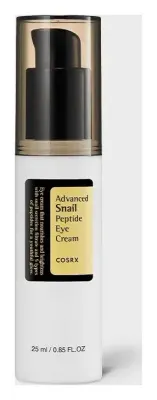 COSRX Advanced Snail Peptide Eye CreamAmazon
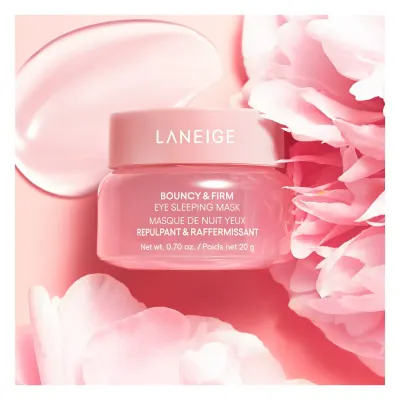 Laneige Bouncy & Firm Eye Sleeping MaskAmazon
 Sulwhasoo First Care Activating Eye SerumAmazon
 Perricone MD High Potency Triple Retinol Renewal Eye SerumAmazon
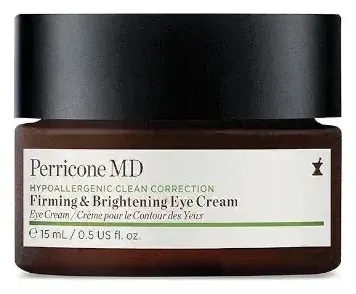 Perricone MD Hypoallergenic Clean Correction Firming & Brightening Eye CreamAmazon
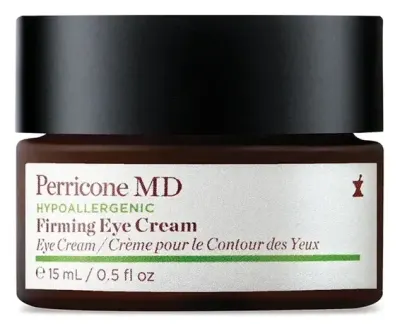 Perricone MD Hypoallergenic Firming Eye CreamAmazon
 Perricone MD Neuropeptide Corrective Brightening Under-Eye CreamAmazon
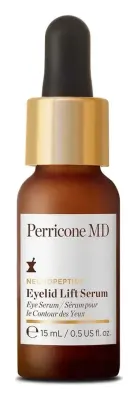 Perricone MD Neuropeptide Eyelid Lift SerumAmazon
 Perricone MD No Makeup Instant Blur Priming Eye CreamAmazon
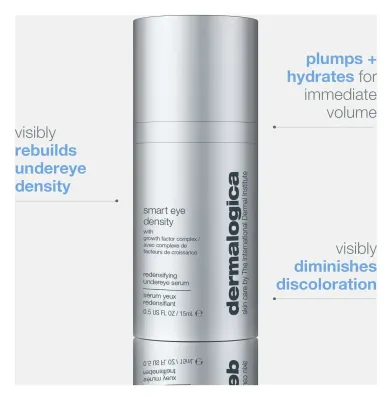 Dermalogica smart eye density undereye serumAmazon
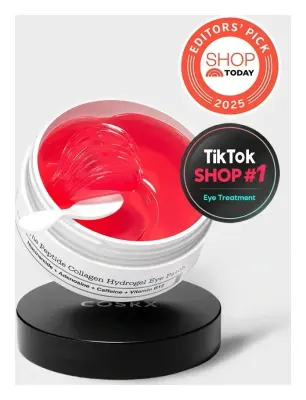 COSRX The Peptide Collagen Hydrogel Eye PatchAmazon
Daily Moisturizers & Water Gel Creams (15)
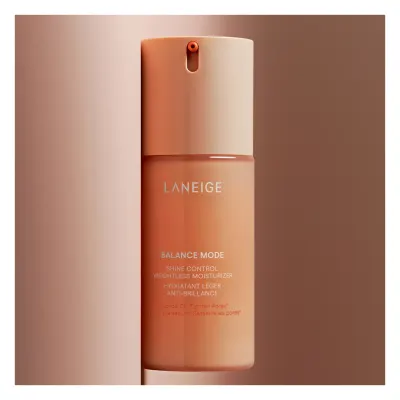 Laneige Balance Mode Shine Control Weightless MoisturizerAmazon
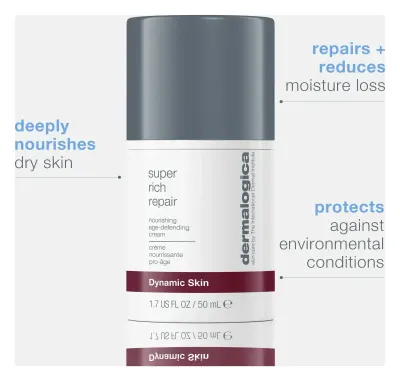 Dermalogica super rich repair moisturizerAmazon
 Sulwhasoo Concentrated Ginseng Rejuvenating CreamAmazon
 Elemis Pro-Collagen Night CreamAmazon
 COSRX The Blue Peptide Bakuchiol Plump Bounce CreamAmazon
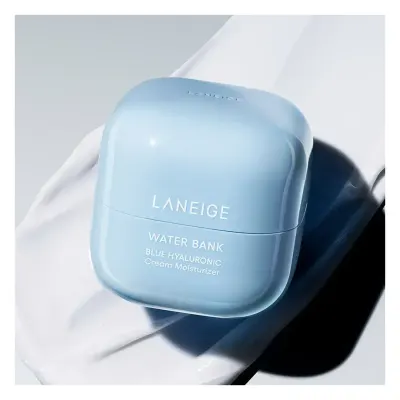 Laneige Water Bank Blue Hyaluronic Cream MoisturizerAmazon
 Perricone MD Cold Plasma Plus+ Advanced Hydrating ComplexAmazon
 Perricone MD Cold Plasma Plus+ Sub-D/NeckAmazon
 Sulwhasoo Concentrated Ginseng Rejuvenating Cream RichAmazon
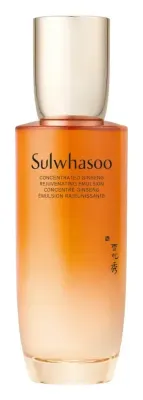 Sulwhasoo Concentrated Ginseng Rejuvenating EmulsionAmazon
 Dermalogica multivitamin power recovery creamAmazon
 Perricone MD Neuropeptide Pro-Strength Firming MoisturizerAmazon
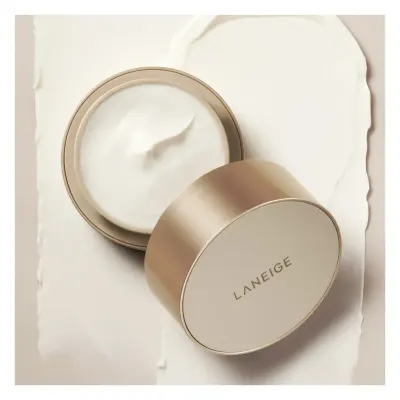 Laneige Perfect Renew 3x Cream AdvancedAmazon
 Dermalogica pro-collagen banking water creamAmazon
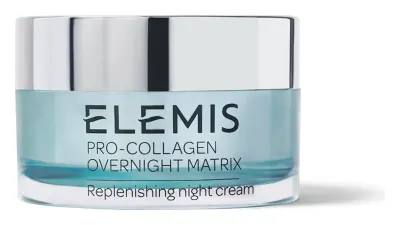 Elemis Pro-Collagen Overnight MatrixAmazon
Anti-Aging & Retinoid Serums (6)
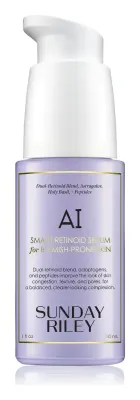 Sunday Riley A.I. Smart Retinoid SerumAmazon
 Perricone MD High Potency Triple Retinol Renewal SerumAmazon
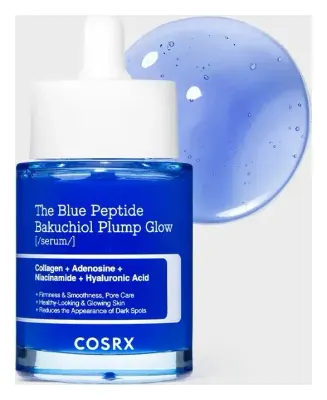 COSRX The Blue Peptide Bakuchiol Plump Glow SerumAmazon
 Sulwhasoo Concentrated Ginseng Rejuvenating SerumAmazon
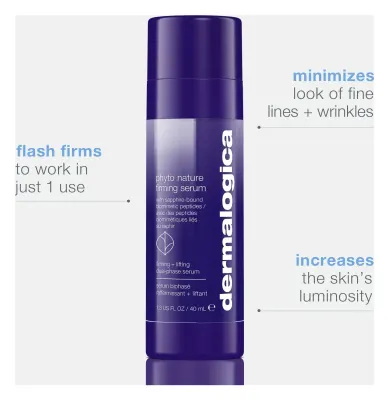 Dermalogica phyto nature firming serumAmazon
 Perricone MD Neuropeptide Firming Facial ConcentrateAmazon
Hydrating Toners, Essence Waters & Face Mists (6)
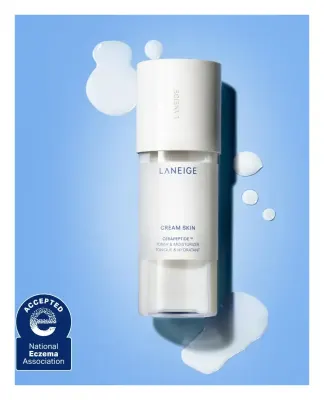 Laneige Cream Skin Milky Toner with Ceramides & Peptides for Nourishing HydrationAmazon
 Dermalogica antioxidant hydramistAmazon
 COSRX 5 PDRN B5 Vital Soothing TonerAmazon
 Perricone MD Cold Plasma Plus+ The EssenceAmazon
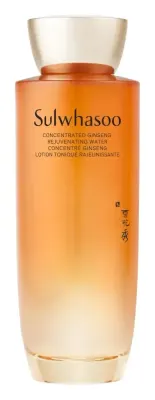 Sulwhasoo Concentrated Ginseng Rejuvenating WaterAmazon
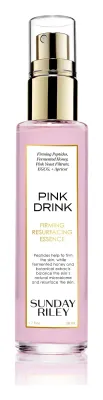 Sunday Riley Pink Drink Firming Resurfacing EssenceAmazon
Hydrating Serums, Essences & Ampoules (6)
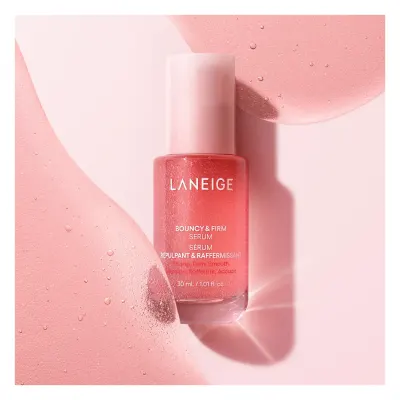 Laneige Bouncy & Firm SerumAmazon
 COSRX The 6 Peptide Skin Booster SerumAmazon
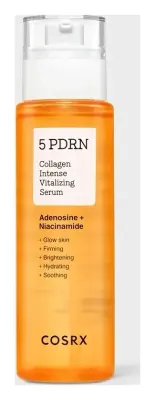 COSRX 5 PDRN Collagen Intense Vitalizing SerumAmazon
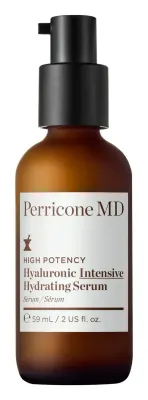 Perricone MD High Potency Hyaluronic Intensive Hydrating SerumAmazon
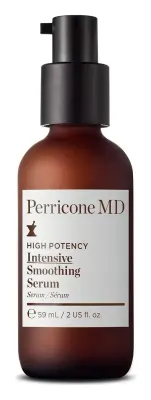 Perricone MD High Potency Intensive Smoothing SerumAmazon
 Elemis ULTRA SMART Pro-Collagen Complex SerumAmazon
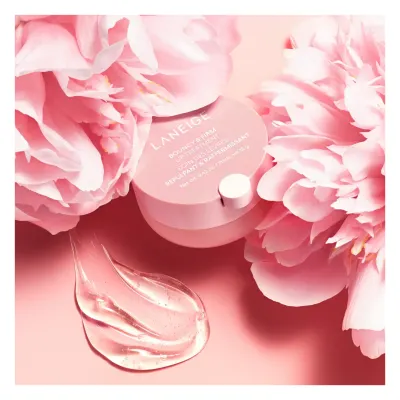
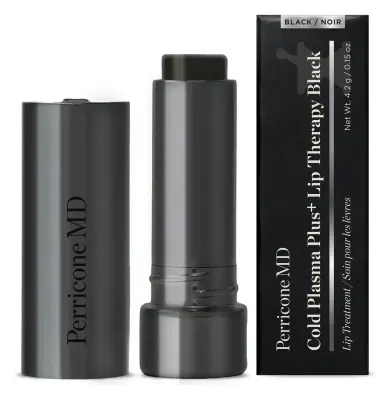
Intensive Lip Recovery Masks & Tinted Balms (4)
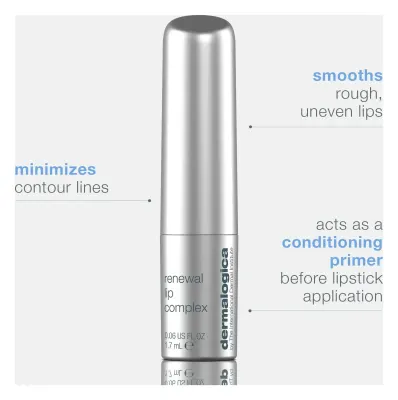
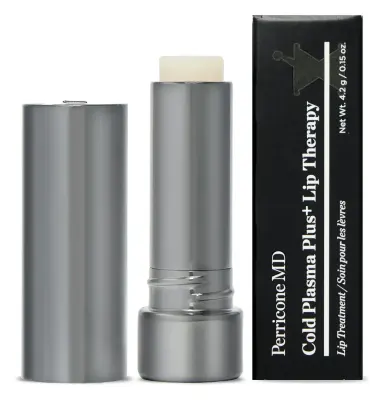
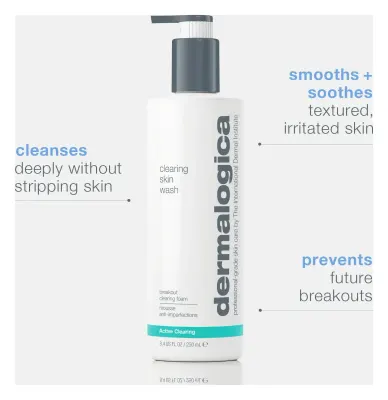
Gel, Foam & Cream Facial Cleansers (4)


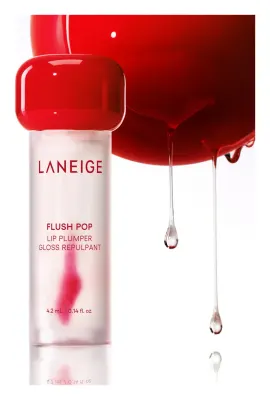
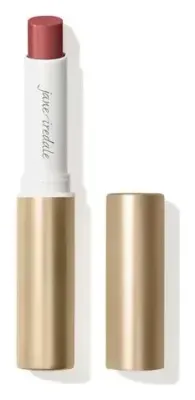
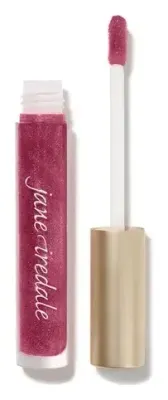
Lipsticks, Glosses & Lip Liners (4)
Sheet, Hydrogel & Clay Masks (3)



Targeted Vitamin C & Brightening Correctors (2)

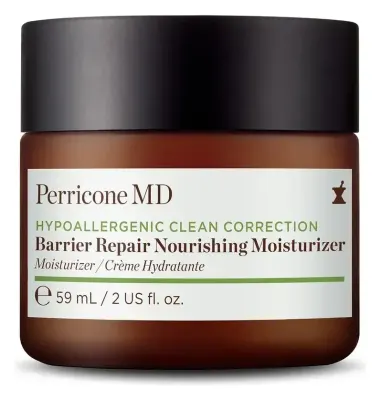
Skin Barrier Repair Creams & Recovery Jars (2)
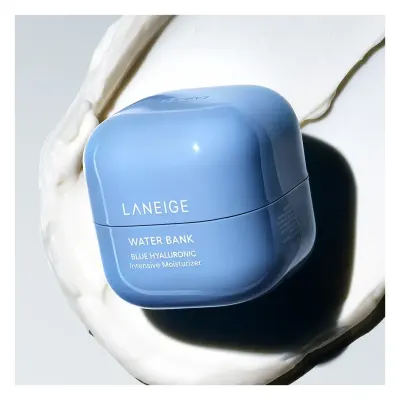
Premium Overnight Recovery Packs & Sleeping Facials (2)


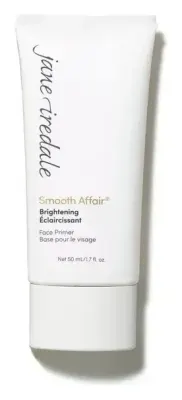
Mineral Pressed Powders & Skin-Nourishing Primers (2)
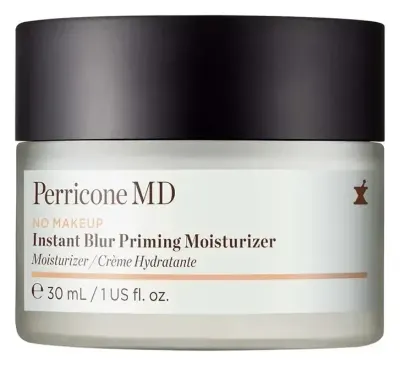
Cream & Gel Treatment Masks (2)

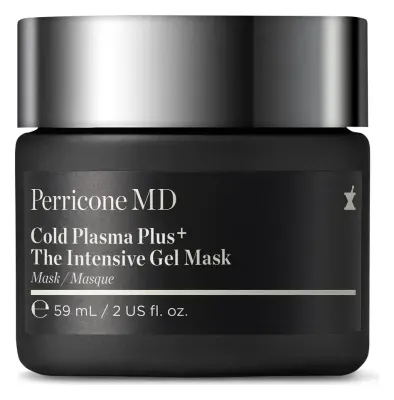
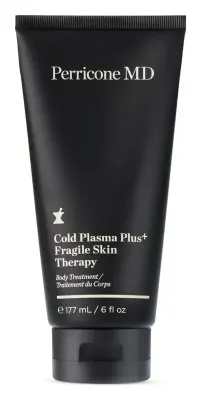
Body Creams, Butters & Body Oils (2)
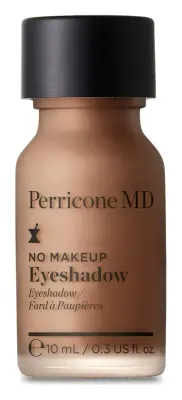
Eye Shadows, Liners, Mascara & Brow Makeup (2)
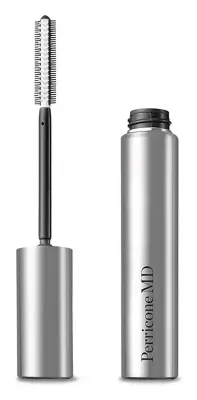
Premium Double-Cleansing Balms & Melting Gels (1)
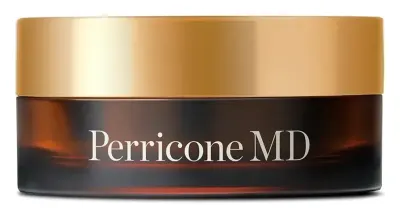
Full-Coverage Camouflage & Liquid Foundations (1)
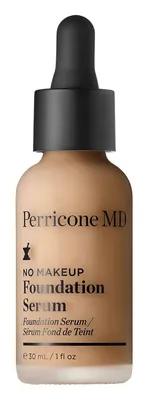
Daily Sunscreens & SPF Moisturizers (1)

Blush, Bronzers & Highlighters (1)
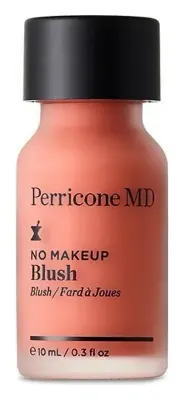
High-Definition Camouflage Concealers (1)
Common questions
What do peptides do in skincare?
Peptides are short chains of amino acids used in skincare formulas for their potential role in supporting the appearance of firmer, smoother-looking skin. Evidence and results vary by peptide and finished formula.
Are peptides the same as copper peptides?
Copper peptides are a specific type of peptide ingredient associated with copper, while skincare also uses other peptide types. See our separate [copper peptides page](/ingredients/copper-peptides/) for that ingredient family.
Can you use peptides with retinol?
Many routines can include both, and products may combine peptides with other actives. If you are introducing both separately, add one at a time so you can spot irritation and understand what suits your routine.
Do peptides replace retinol?
No. Peptides and retinoids are different ingredient groups, and the available evidence and product roles are not interchangeable. Choose based on your goals, tolerance, and the directions for the specific product.