Hydroxypinacolone Retinoate
What hydroxypinacolone retinoate does in skincare, how it compares with retinol, and what to pair it with.
Probably fineIn 5 products we cover
We may earn a commission when you buy through links on this page. It never changes what we recommend.
What it is
Hydroxypinacolone retinoate, often shortened to HPR, is a vitamin A derivative used in leave-on skincare. You may also see it described as Granactive Retinoid, a name used for cosmetic ingredient blends that feature HPR. Check the product’s ingredient list and directions, since marketing names do not tell you the exact composition or strength.
HPR belongs to the broader retinoid family, alongside retinol and retinal. It is a distinct ingredient, not just another name for retinol. Formulation and the finished product affect how an ingredient behaves on skin, so claims that one retinoid is universally stronger or gentler are too simple to guide a purchase.
What it does
- Targets the look of texture. HPR is included in products intended to help skin look smoother with regular use.
- Supports a more even-looking complexion. Retinoid products are used for the appearance of uneven tone and fine lines, though the pace and visible results vary.
- Can still be irritating. Dryness, redness, flaking or stinging can happen with retinoid products, especially if you introduce them quickly or combine several actives.
- Needs a steady routine. It is a gradual-use ingredient, not an overnight fix, and a marketing label cannot predict how your skin will respond.
Who it suits
HPR may interest someone looking for a retinoid step who prefers to try a product featuring this particular derivative. It is not automatically a better fit for sensitive skin just because it is sometimes marketed as gentle. If your skin is already uncomfortable or reactive, wait until it settles before adding another active. For persistent or concerning skin symptoms, ask a dermatologist instead of relying on cosmetic products.
What to pair it with, and what not to
Keep your routine straightforward at first: use HPR according to its label, with a plain moisturizer and a gentle cleanser. Niacinamide and hyaluronic acid can be reasonable supporting steps if your skin already tolerates them. Use sunscreen as directed during the day as part of a retinoid routine.
Do not begin HPR alongside retinol or another retinoid; choose one and give yourself time to see how it goes. Be careful about layering exfoliants such as glycolic acid or salicylic acid in the same routine. Add one new product at a time, patch-test first, and reduce use or stop if irritation persists.
Skin Realist check: A newer name on a label is not a shortcut past patience. Start simply, and let your skin be the one that decides whether the routine needs editing.
Quick picks with Hydroxypinacolone Retinoate
Scent-free, no patch-test flags on the label
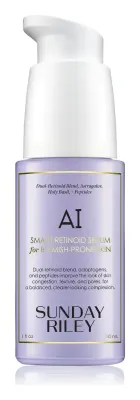
Sunday Riley A.I. Smart Retinoid Serum
Hydroxypinacolone Retinoate · scent-free label
AmazonBrand lists it for sensitive skin
Dermalogica dynamic skin retinol serum
Retinoid Complex 3.5% · oily, dry, combination, sensitive, normal skin · scented
AmazonFeatured in our guides
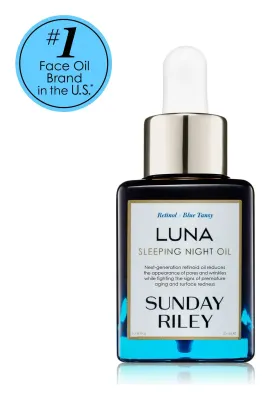
Sunday Riley Luna Sleeping Night Oil
Hydroxypinacolone Retinoate · scented
Amazon

All 5 products with Hydroxypinacolone Retinoate
Anti-Aging & Retinoid Serums (4)

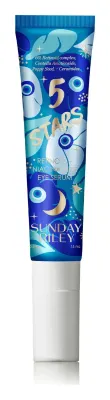
Eye Creams & Under-Eye Patches (1)
Common questions
What is hydroxypinacolone retinoate?
Hydroxypinacolone retinoate, or HPR, is a retinoid used in some cosmetic products. It is also marketed under the name Granactive Retinoid, though product blends and concentrations vary.
Is HPR the same as retinol?
No. HPR and retinol are different vitamin A derivatives, even though both are used in products aimed at improving the look of texture and fine lines. They may behave differently in different formulas, so do not compare products by name alone.
Can HPR irritate skin?
It can. Retinoid products may cause dryness, redness or flaking for some people, especially when introduced too quickly or layered with other strong actives. Patch-test first and follow the product directions.
Can I use HPR with retinol?
It is usually more sensible to choose one retinoid product at a time than to layer two. Using both does not guarantee better results and can make irritation harder to troubleshoot.